What are Democrats worried about?
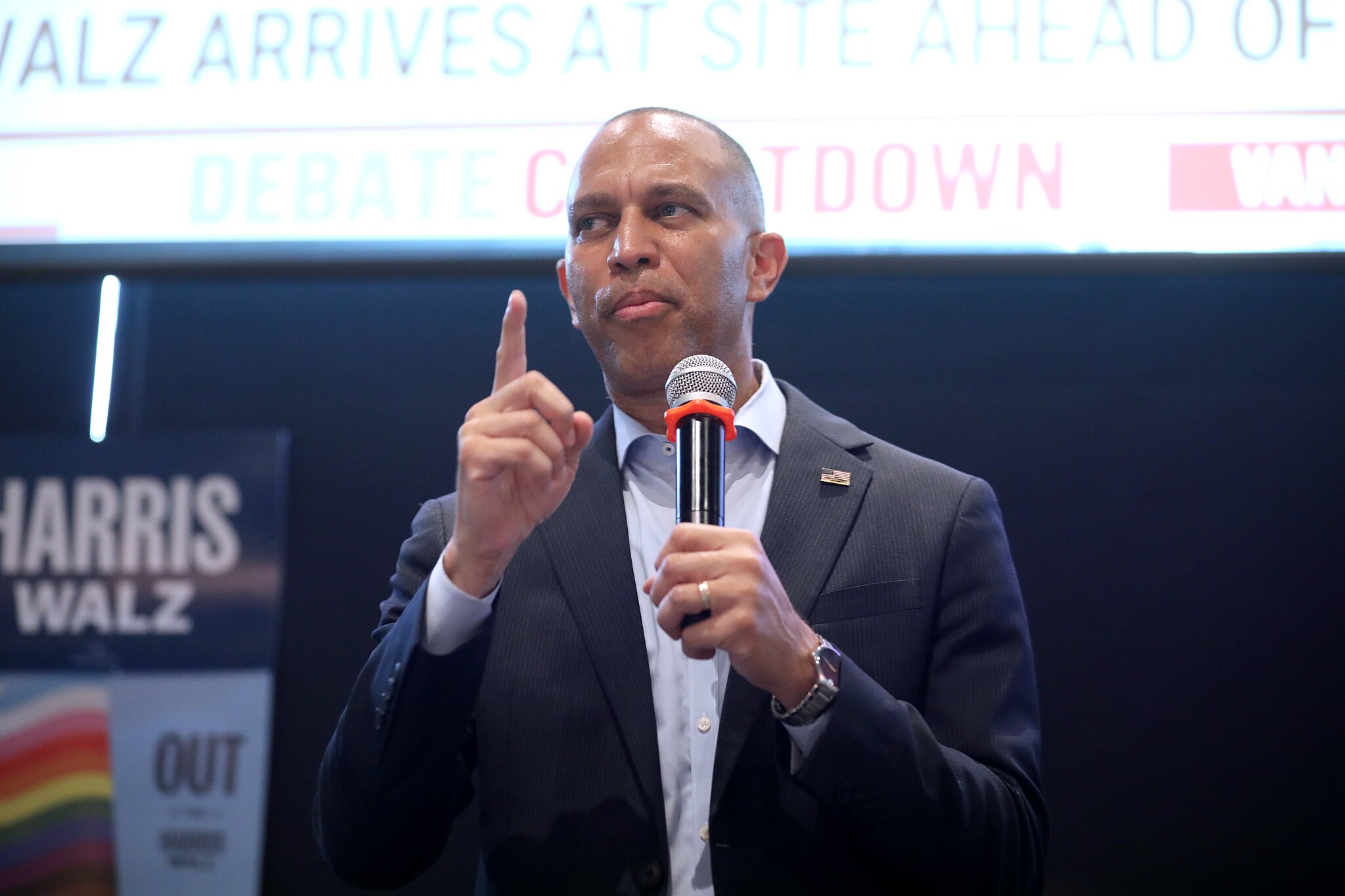
House Minority Leader Hakeem Jeffries (D-N.Y.) is urging President Joe Biden to issue more pardons for nonviolent offenders before leaving office, emphasizing his belief that such actions would demonstrate compassion and fairness. In a recent statement, Jeffries called on the president to pardon “working-class Americans” whose lives have been upended by harsh prosecutions for nonviolent offenses. He emphasized that these individuals, many of whom have been subject to overzealous legal actions, deserve a chance at redemption and a second chance to rebuild their lives.
Jeffries’s plea comes after President Biden controversially pardoned his son, Hunter Biden, who faced federal charges related to gun possession and tax evasion. The pardon cleared Hunter Biden of three felony charges related to a 2018 firearm purchase while he was a drug user, as well as nine federal tax offenses. Critics of the decision argue that the pardon represents a double standard, especially given the serious nature of Hunter Biden’s charges and the political context surrounding the case. Biden himself defended the decision, stating that the charges were politically motivated by his opponents, an explanation that has drawn mixed reactions across the political spectrum.
While Jeffries’s call for more pardons is aimed at nonviolent offenders, it raises a broader question about criminal justice reform and fairness in the legal system. Many Republicans, especially those advocating for tougher crime laws, may view such calls with skepticism, particularly in light of Biden’s controversial pardon of his son. However, Jeffries’s argument about the disproportionate impact of harsh sentencing on working-class Americans resonates with calls for reform that have been gaining traction among some conservatives who are concerned about the overreach of the criminal justice system.
As Biden prepares to leave office, the conversation around pardons and criminal justice reform will likely continue to spark debate, especially with a new administration on the horizon. Jeffries’s statement reflects the ongoing struggle over how best to balance justice and compassion, and whether political considerations should influence such decisions. The future of criminal justice policy will likely see new proposals, and Republicans will need to weigh in on whether broader pardons for nonviolent offenders can be part of meaningful reform.