Washington is at it again.
In a move that many conservatives see as yet another politically driven probe, Democrats are now demanding answers over a Capitol visit involving Russian officials—turning what some call a diplomatic effort into a full-blown controversy tied to President Donald Trump’s foreign policy approach.
Another Investigation Targeting Trump’s Orbit
A group of Democratic lawmakers, joined by one Republican, sent a letter to Secretary of State Marco Rubio and Treasury Secretary Scott Bessent demanding details about how sanctioned Russian lawmakers were allowed into the United States.
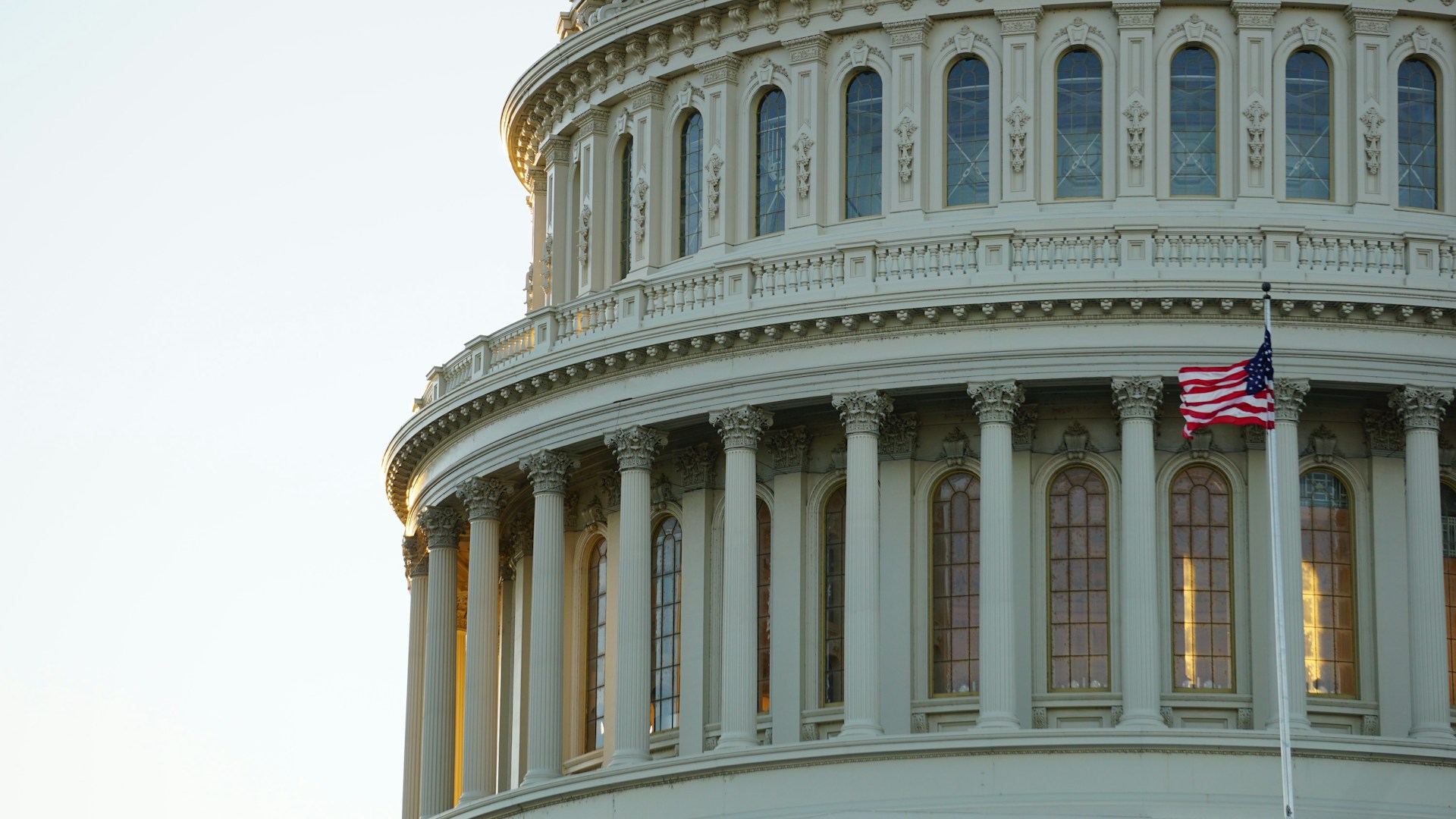
Their concern? That these officials—some under international sanctions—were able to visit Washington, meet with members of Congress, and even tour the U.S. Capitol.
But for many on the right, this raises a different question:
Is this about national security—or just another attempt to create headlines around Trump?
The Real Story Behind the Visit
The visit was organized by Rep. Anna Paulina Luna (R-Fla.), who has been actively pushing for diplomatic solutions to end the war in Ukraine.
Luna has made her intentions clear:
- Encourage dialogue
- Explore peace negotiations
- Support President Trump’s broader foreign policy vision
In other words, talk before more lives are lost.
That’s a sharp contrast to the endless-war mindset many voters—especially older Americans—say they’re tired of.
Democrats Sound the Alarm
In their letter, lawmakers claimed the visit was “deeply concerning,” arguing that allowing sanctioned Russian officials into the U.S. could undermine America’s credibility.
They demanded answers to several key questions:
- Who approved sanctions waivers?
- Which agency authorized their visas?
- What was the national security justification?
They also warned that the visit could weaken U.S. support for Ukraine and its European allies.
Diplomacy vs. Political Theater
Supporters of the visit see it very differently.
Rep. Derrick Van Orden (R-Wis.), who met with the delegation, brushed off the outrage and emphasized a simple truth:
Real diplomacy starts with conversation.
Even when dealing with adversaries, history shows that dialogue—not isolation—often leads to breakthroughs.
For many conservatives, this is exactly the kind of America First realism President Trump has championed.
Not All Republicans Agree
Still, the issue has sparked debate within the GOP.
Rep. Andy Barr (R-Ky.) voiced concerns, pointing out that Russia remains a strategic rival and questioning the purpose of the visit.
That divide reflects a larger discussion happening across the country:
Should America engage its enemies to prevent war—or shut them out completely?
Why This Matters to Everyday Americans
For millions of Americans—especially those over 50—this debate isn’t just political.
It’s personal.
After decades of foreign conflicts, many voters are asking:
- Why are we always one step away from another war?
- Why isn’t diplomacy the first option?
- And why does every Trump-era decision face immediate backlash?
The Bigger Picture
To Trump supporters, this situation fits a familiar pattern:
When Trump or his allies pursue unconventional strategies—especially ones that challenge the status quo—criticism quickly follows.
But supporters argue that’s exactly why his approach works.
He’s willing to:
- Break from establishment thinking
- Challenge global norms
- Put American interests first
Bottom Line
What Democrats call a “serious concern,” many conservatives see as another manufactured controversy—one that risks undermining real efforts to explore peace.
At a time when the world feels increasingly unstable, one question stands out:
Is Washington more interested in solving problems—or scoring political points?