Tensions are higher than ever.
European leaders are dramatically increasing their military readiness — including nuclear capabilities — as global tensions rise and security concerns grow across the continent.
France has now announced plans to expand its nuclear arsenal, while Poland is openly discussing stronger nuclear coordination with Western allies. The developments highlight how Europe is preparing for a more dangerous world, especially as conflicts continue to escalate in multiple regions.
For many observers, the shift also reflects growing uncertainty in Europe about long-term global stability.
France Expands Its Nuclear Arsenal
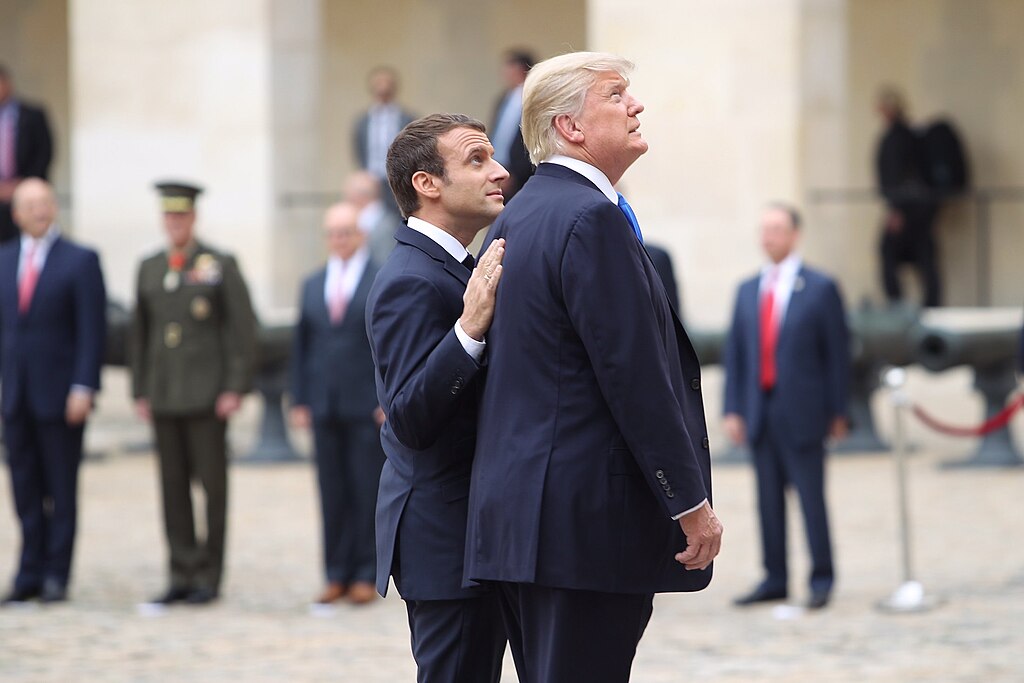
French President Emmanuel Macron revealed Monday that France will increase the number of nuclear warheads in its military stockpile.
In another major policy change, Macron said France will no longer publicly disclose the size of its nuclear arsenal, ending years of transparency about the country’s nuclear capabilities.
“I have decided to increase the number of warheads in our arsenal,” Macron said during his remarks.
He also delivered a striking message that quickly grabbed attention across Europe.
“To be free, one needs to be feared,” the French president declared.
The decision signals that France intends to strengthen its nuclear deterrence at a time when geopolitical tensions are reaching levels not seen in decades.
Europe Faces Rising Security Threats
European leaders say the continent is now confronting one of the most unstable security environments in modern history.
Russia’s ongoing war in Ukraine continues to reshape military planning across Europe. Since the conflict began in 2022, Russian officials have repeatedly warned Western nations about possible escalation as NATO continues to support Ukraine.
The conflict has forced European governments to rethink long-standing assumptions about defense and deterrence.
At the same time, recent U.S. military strikes against Iran have added to fears that global conflicts could expand into additional regions.
Together, these developments have pushed many European leaders to strengthen their own military capabilities.
Poland Signals Interest In Nuclear Defense
Poland is also taking a more serious look at nuclear security.
Polish Prime Minister Donald Tusk said Tuesday that Poland is exploring ways to strengthen its nuclear defense posture as the country continues expanding its military capabilities.
“Tusk said Poland views nuclear security as an extremely important national priority.”
“As our autonomous capabilities grow, we will strive to prepare Poland for more independent actions in this area in the future.”
Polish President Karol Nawrocki has also voiced support for deeper nuclear cooperation with Western allies.
While Poland does not currently possess nuclear weapons, its leaders are increasingly discussing ways to strengthen deterrence through partnerships with nuclear-armed nations.
France And Poland Begin Nuclear Discussions
Tusk confirmed that Poland has already begun discussions with France about closer nuclear coordination.
Those talks come after Macron suggested that France could deploy nuclear-capable fighter jets to allied European countries as part of a broader deterrence strategy.
The idea is part of a growing debate across Europe about how the continent can defend itself more effectively in an increasingly unstable global environment.
Europe Dramatically Boosts Military Spending
Since the start of the Ukraine war, many European governments have dramatically increased defense spending.
Germany launched a historic military buildup after decades of limited investment in its armed forces.
Poland has rapidly expanded its military and now ranks among NATO’s top defense spenders as a percentage of its economy.
Leaders across Europe are also reviving discussions about what they call “strategic autonomy.”
The concept argues that Europe must be capable of defending itself even if the United States shifts its military focus to other regions of the world.
France Holds A Unique Role In Europe
France occupies a unique position in Europe’s defense structure.
It is the only country in the European Union with nuclear weapons and maintains an independent nuclear deterrent separate from NATO’s U.S.-led nuclear umbrella.
Any expansion of France’s nuclear arsenal — or deeper coordination with other European countries — could significantly reshape the continent’s security landscape.
Globally, only nine countries are believed to possess nuclear weapons:
- The United States
- Russia
- China
- France
- The United Kingdom
- India
- Pakistan
- North Korea
- Israel
A New Era Of Global Uncertainty
Europe’s renewed focus on nuclear deterrence comes as global tensions continue to rise.
The war in Ukraine remains unresolved. Instability in the Middle East is growing. And geopolitical competition between major powers is intensifying.
For many European leaders, these developments reinforce a clear message: the continent must be prepared to defend itself in an increasingly unpredictable world.
France’s decision to strengthen its nuclear arsenal — combined with Poland’s interest in nuclear cooperation — suggests Europe may be entering a new phase of security planning.
One thing is clear: the global balance of power is shifting, and nations across the West are preparing for what could be a far more dangerous decade ahead.