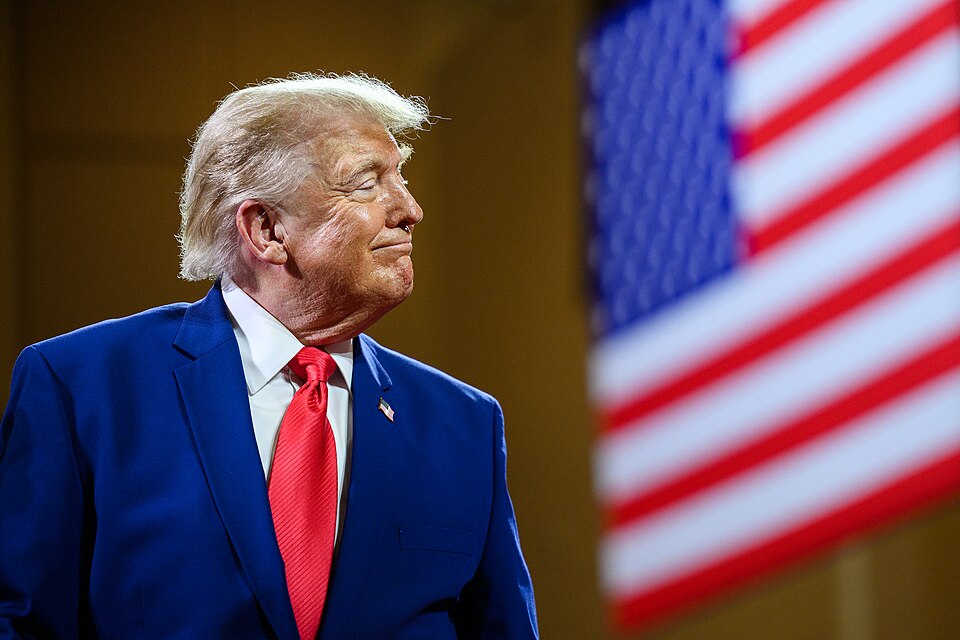
DNC Sues Trump
President Donald Trump is facing a new legal challenge from the Democratic National Committee (DNC), which has filed a federal lawsuit accusing his administration of improperly using taxpayer money to finance television advertisements promoting his presidency ahead of the November midterm elections.
The lawsuit, filed Wednesday in Washington, D.C., raises questions about government spending, political advertising, and whether federal agencies can use public funds to promote a sitting president’s accomplishments.
The Trump administration has rejected the accusations, maintaining that the advertisements are legitimate public service announcements intended to encourage patriotism and highlight national priorities.
Democrats Challenge Trump’s Advertising Campaign
According to the lawsuit, Democrats believe the Trump administration crossed a legal boundary by directing millions of dollars in federal funding toward advertisements they argue resemble political campaign commercials.
The DNC alleges that President Trump personally directed the advertising effort, which began appearing on television in September.
Democratic officials contend that the advertisements could benefit Republican candidates in the November 3 midterm elections by promoting Trump’s leadership and political message.
The lawsuit names President Trump, the White House Office, the Office of Management and Budget (OMB), and the Department of Homeland Security (DHS) as defendants.
Democrats are asking a federal judge to declare the government-funded advertising unlawful and prevent additional taxpayer dollars from being used for the campaign.
However, the allegations have not been established as violations of federal law by the court.
Millions in Federal Funding Under Scrutiny
At the center of the dispute is approximately $20 million in funding connected to the Department of Homeland Security.
According to publicly reported budget information, the money was drawn from Customs and Border Protection funding designated for commemorative activities.
Those activities can include memorial services, agency anniversaries, and ceremonies recognizing government employees.
Advertising research firm AdImpact estimated that more than $12 million had already been spent airing the television spots.
Democrats argue that redirecting federal resources toward advertisements featuring Trump violates congressional restrictions against using appropriated funds for unauthorized publicity or propaganda.
The lawsuit also cites federal spending laws governing how government agencies may allocate taxpayer money.
For Americans concerned about Washington’s handling of public funds, the dispute raises an important question: Where should the government draw the line between informing citizens about its work and promoting the political image of an elected official?
Trump Announces Change in Advertising Funding
President Trump addressed the controversy Monday on Truth Social, announcing that the MAGA Inc. super PAC would cover the cost of the advertisements moving forward.
The announcement appeared intended to address criticism surrounding the use of government money.
However, Democrats argue that taxpayer-funded advertisements continued airing after Trump’s statement.
According to the lawsuit, commercials displaying the disclosure “Paid for by the U.S. Government” appeared during ABC’s Dancing with the Stars on Tuesday and Fox News’ Fox & Friends on Wednesday.
The DNC claims that at least $100,000 in public funding went toward advertisements aired after Trump’s announcement.
The lawsuit further argues that using government resources for the advertisements could allow Republican political organizations to reserve their privately raised campaign funds for other election-related activities.
Trump’s announcement concerning future funding does not, by itself, resolve questions about money already spent.
White House Defends Trump’s Actions
The White House has firmly defended the advertisements, arguing that they represent a legitimate use of government communications rather than political campaign spending.
In a September 25 statement, administration officials emphasized that Trump is not personally running for office in the November midterm elections.
The White House also argued that the commercials do not explicitly instruct Americans to vote for Republican candidates.
Administration officials pointed to several previous presidents who used government-funded advertising to communicate public policy initiatives.
During George W. Bush’s presidency, the federal government ran advertisements explaining changes to Medicare prescription drug coverage.
Under President Barack Obama, government advertising campaigns encouraged Americans to participate in health insurance programs established through the Affordable Care Act.
President Joe Biden’s administration also funded nationwide advertisements encouraging COVID-19 vaccinations.
The Trump administration argues that these examples demonstrate how presidents from both political parties have historically used taxpayer-funded messages to explain government policies and promote national initiatives.
The White House maintains that encouraging Americans to take pride in their country should not automatically be considered partisan political activity.
Legal Fight Comes at a Critical Political Moment
The timing of the lawsuit is particularly significant.
With the November 3 midterm elections approaching, both major political parties are working to strengthen their positions in Congress.
Republicans are seeking to maintain their political influence and protect their congressional majorities, while Democrats are attempting to gain ground in competitive districts across the country.
Although Trump himself is not on the ballot, his presidency remains a central issue in many congressional campaigns.
Democrats believe advertisements highlighting his administration could provide Republican candidates with an indirect political advantage.
The White House, meanwhile, argues that an administration should not be prohibited from communicating its accomplishments simply because an election is approaching.
Ultimately, the federal court will have to consider whether the advertisements qualify as authorized government communications or cross the legal threshold into prohibited partisan publicity.
What Happens Next?
The lawsuit adds another legal dispute to an already contentious election season.
A federal judge could be asked to intervene in the administration’s advertising expenditures while the broader case proceeds.
The court’s eventual decision could have implications beyond the Trump administration, potentially influencing how future presidents use taxpayer-funded advertisements to communicate with the American public.
For now, the dispute highlights an issue that extends beyond party politics: government accountability and the appropriate use of public money.
Whether Americans view the advertisements as patriotic public service messages or political promotion, the central legal question remains whether the federal government had the authority to spend these funds for that purpose.
With Election Day approaching, the controversy is likely to remain part of the national debate over federal spending, presidential authority, and election fairness.