This was surprising to see.
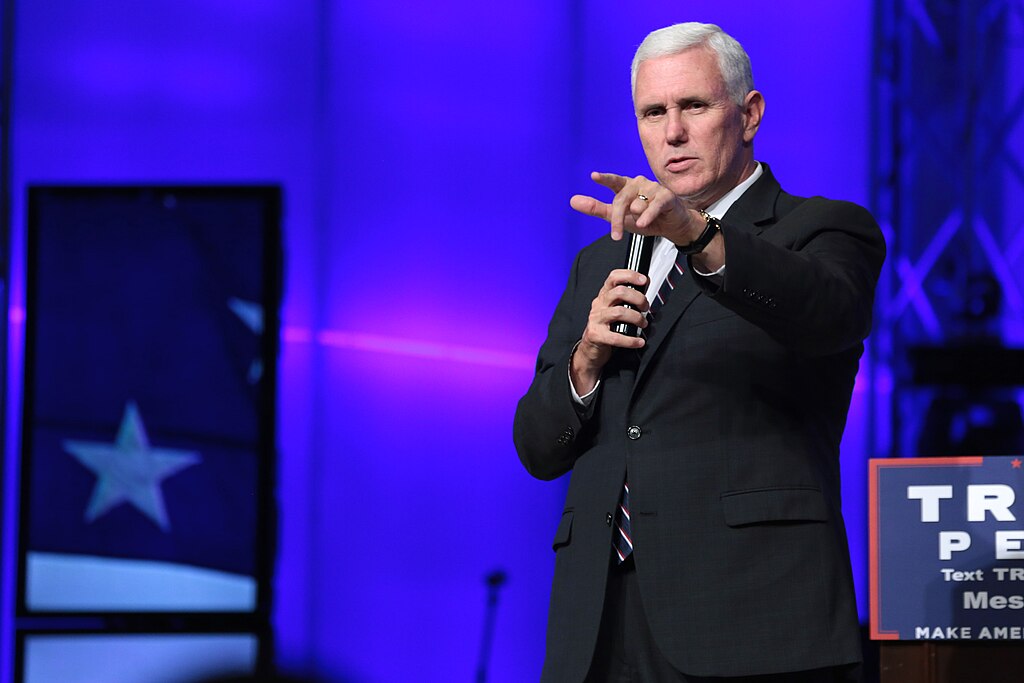
Former Vice President Mike Pence stepped forward this week to defend President Donald Trump’s decision to launch military strikes against Iran, saying the president ultimately made the right call after diplomacy failed.
Speaking during a Wednesday television interview, Pence said the Trump administration worked for months to find a peaceful solution before ordering what officials called Operation Midnight Hammer, a major strike targeting Iran’s nuclear infrastructure.
According to Pence, the administration made clear demands to Tehran before taking military action.
“They were told they needed to end support for terrorism across the region and accept limits on their ballistic missile and long-range weapons programs,” Pence explained. “But they refused.”
Because of that refusal, Pence argued the president was left with little choice.
“In the end, history will show that the president made the right decision,” Pence said. “The opportunity presented itself, and he acted to protect American interests and our allies.”
Trump’s Iran Strike Sends Powerful Message
The comments come after U.S. and Israeli forces launched coordinated strikes against Iranian targets late last week, marking one of the most serious escalations between Washington and Tehran in years.
Officials say the strikes focused on facilities connected to Iran’s nuclear enrichment program, which Western leaders have long feared could eventually lead to the development of nuclear weapons.
Supporters of the operation say the mission sends a clear message that the United States will not tolerate continued Iranian aggression or attempts to destabilize the Middle East.
Many Republican lawmakers quickly backed the president’s decision, arguing that strong action was necessary to counter Iran’s growing influence in the region.
Some Lawmakers Raise Concerns
While the military action has received broad support among conservatives, a small number of lawmakers have raised questions about what might come next.
Some members of Congress worry that continued escalation could potentially lead to a larger military conflict if Iran retaliates or if regional tensions continue to rise.
President Trump has not ruled out further action if Iran continues hostile activity, but administration officials say the goal remains deterrence rather than long-term war.
Pentagon Slams Media Coverage
Meanwhile, Defense Secretary Pete Hegseth pushed back strongly against media coverage surrounding the conflict.
During remarks at the Pentagon on Wednesday, Hegseth accused some outlets of focusing heavily on battlefield losses in an attempt to portray the administration in a negative light.
His criticism came after reports highlighted the deaths of six U.S. service members killed in an Iranian drone attack in Kuwait.
The strike reportedly targeted a temporary U.S. military office structure located on the base.
Hegseth said Iran and its proxy forces frequently rely on attacks against civilian or lightly defended targets because they cannot defeat American forces in direct combat.
“Iran can still launch missiles and one-way attack drones,” he said. “Their proxies will attempt attacks on embassies, bases and other soft targets. These are terrorist tactics used by groups that cannot confront the United States face-to-face.”
A Defining Moment In The Iran Conflict
The recent military operation could prove to be a defining moment in the long-running standoff between the United States and Iran.
Supporters of the president argue the strikes demonstrate a willingness to confront threats directly and protect American interests abroad.
Critics, however, warn the situation remains volatile and could evolve quickly depending on Iran’s response.
For now, Pence says the president acted decisively at a moment when leadership mattered most.
“This was about protecting American security,” Pence said. “And when diplomacy failed, the president made the call.”