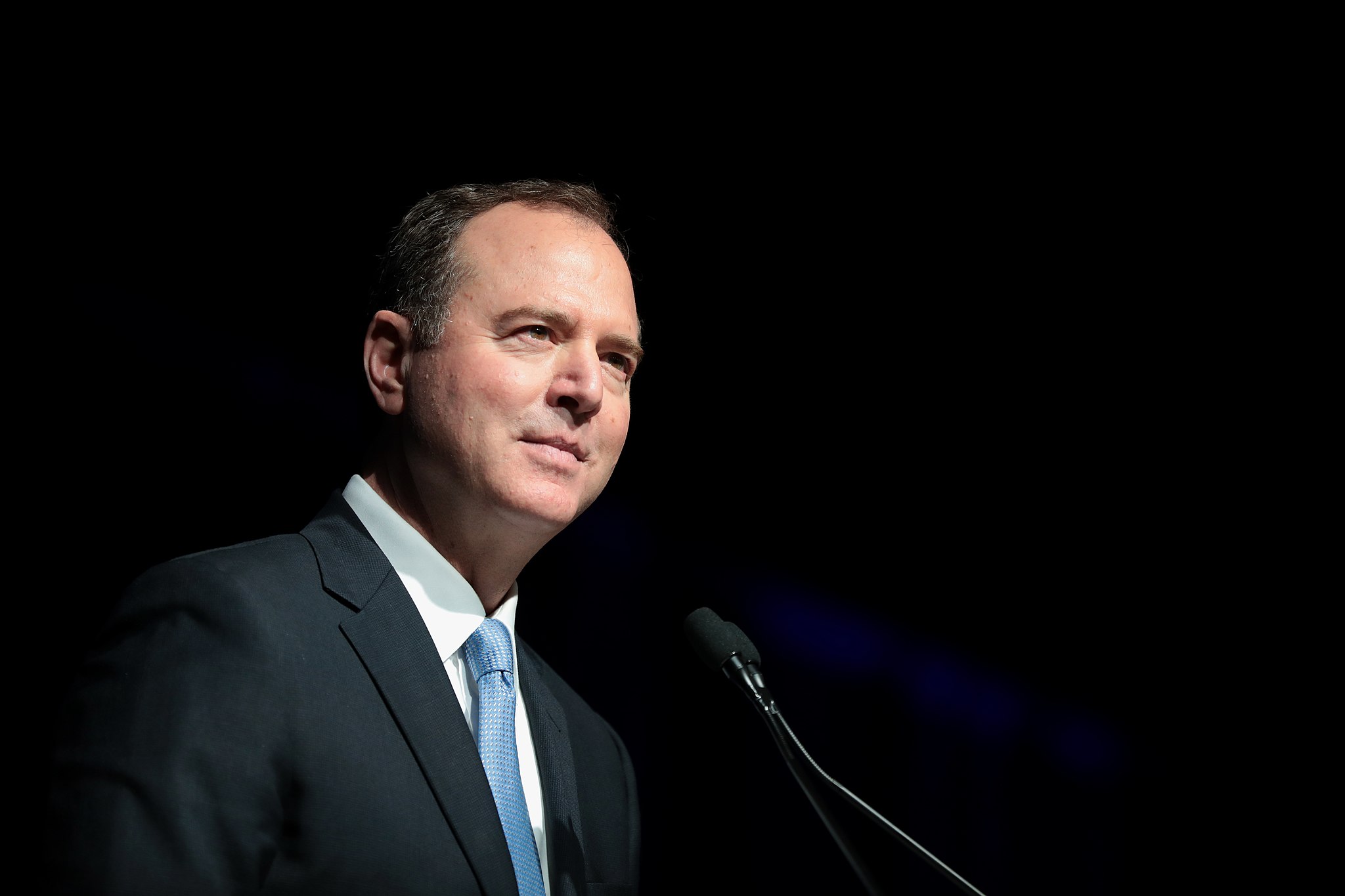
Schiff refuses to leave President Trump alone.
In a move that’s sparking outrage among conservatives, Senator Adam Schiff (D-Calif.) has introduced new legislation aimed at restricting former President Donald Trump’s financial activity in the booming cryptocurrency market.
The proposal, called the COIN Act (Curbing Officials’ Income and Nondisclosure), would ban high-ranking public officials and their family members from promoting, creating, or profiting from digital assets like Bitcoin and stablecoins. The bill would apply to the president, vice president, members of Congress, executive officials, and their immediate families.
Critics say the real target is clear: Donald J. Trump, who has become a vocal supporter of cryptocurrency and digital freedom.
“Trump’s crypto ventures raise serious ethical and constitutional issues,” Schiff claimed Monday—igniting backlash from Americans who see this as another politically motivated attack on a popular conservative leader.
President Trump has made financial innovation a central part of his post-presidency vision. In 2024, he and his sons launched World Liberty Financial, which released a successful stablecoin. That project alone earned Trump an estimated $57 million, according to official financial disclosures.
Trump also unveiled a meme coin ahead of his 2025 inauguration and recently hosted a private dinner with top investors in the $TRUMP token—another sign that he’s leaning into crypto as a key part of America’s financial future.
Meanwhile, Trump’s Truth Social parent company, Trump Media & Technology Group, has raised a staggering $2.5 billion to build a U.S. bitcoin reserve and develop new crypto-based financial tools—moves that many see as promoting digital sovereignty and economic independence.
But Schiff’s bill could derail these efforts.
Despite support from some Senate Democrats, Republicans and moderates succeeded in advancing the GENIUS Act, a bipartisan bill that establishes clear regulations for payment-based cryptocurrencies. Schiff tried to slip in restrictions targeting Trump and other public figures, but those amendments were stripped from the final Senate version.
Now, the GENIUS Act heads to the House of Representatives, where President Trump has urged lawmakers to pass it swiftly and without harmful changes.
In a twist of irony, Schiff himself benefited from the crypto industry during his 2024 Senate race. The crypto-funded PAC Fairshake reportedly spent $10 million attacking his opponent, former Rep. Katie Porter (D-Calif.)—raising serious questions about Schiff’s motives and financial alliances.
Key Takeaways for Readers:
- Schiff’s COIN Act is widely seen as a direct attack on Trump’s success in crypto.
- Trump’s digital ventures have already earned millions and continue to grow.
- Schiff’s own campaign was backed by crypto money—despite his regulatory push.
- Conservatives are pushing back hard against what they see as political overreach.