Here’s what happened.
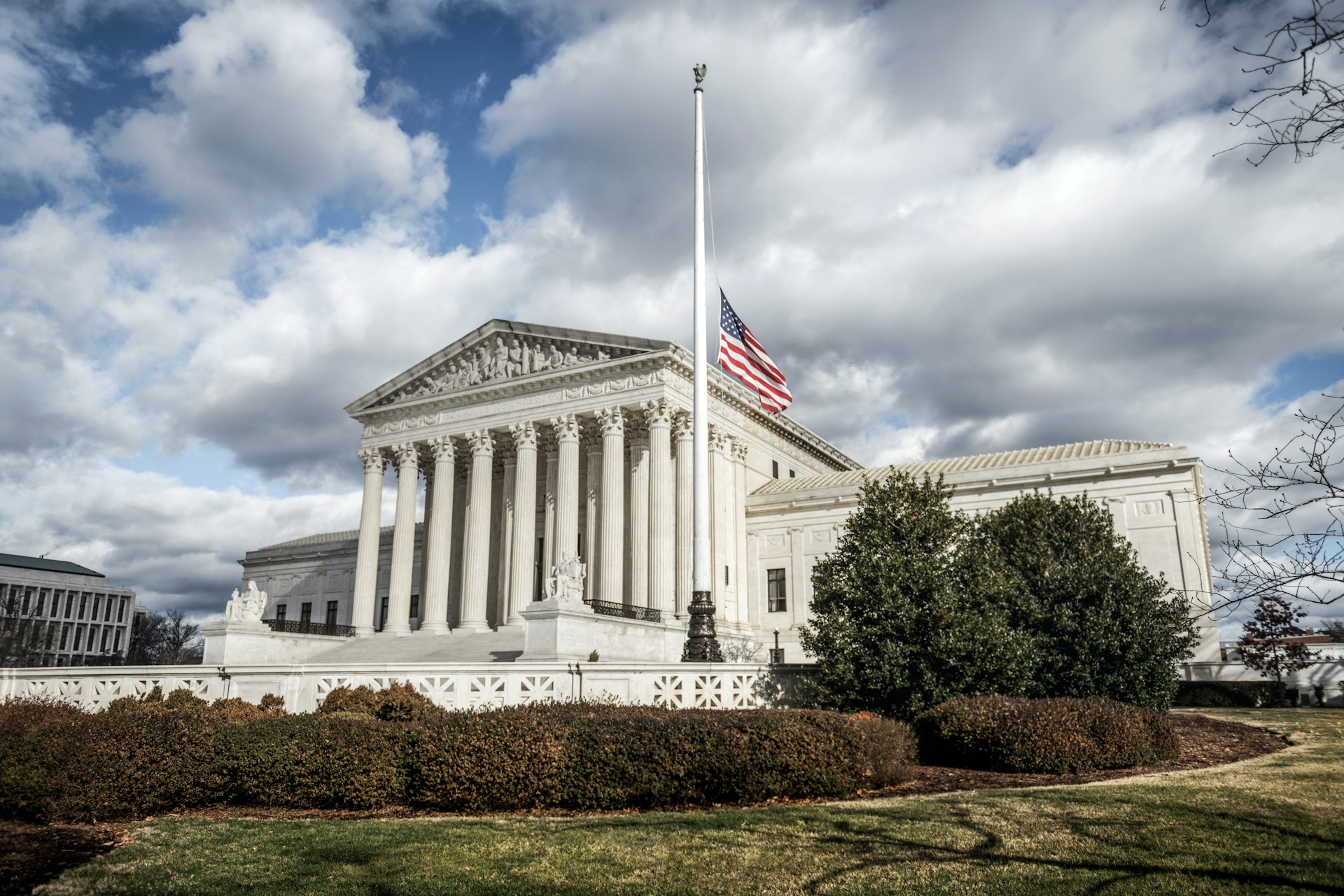
In a case that could reshape federal gun laws across America, the U.S. Supreme Court signaled this week that it may significantly limit the government’s ability to strip gun rights from individuals who use illegal drugs.
For millions of law-abiding Americans — especially in states where marijuana laws have changed — the ruling could have major consequences for Second Amendment protections.
Supreme Court Questions Federal Gun Ban
At the heart of the case is a federal law that prohibits so-called “unlawful users” of controlled substances from purchasing or possessing firearms.
The challenge arose from the prosecution of a Texas man, Ali Danial Hemani, who allegedly admitted to using marijuana several times a week while owning a gun. Prosecutors did not claim he was under the influence when he purchased a Glock 19 in 2022. However, authorities later discovered drugs in his home during a search.
Lower courts dismissed the charges on Second Amendment grounds. Now, the Supreme Court must decide whether the federal statute goes too far — or whether Congress acted within its authority.
Justices From Both Sides Express Doubts
In a rare moment that scrambled traditional ideological lines, several justices across the spectrum raised serious concerns about the scope of the law.
Justice Neil Gorsuch questioned whether occasional or minor drug use could justify permanently stripping someone of a constitutional right.
He posed a hypothetical: What if someone legally consumed a marijuana edible in a state where it is permitted for medical use? Should that individual be disarmed for life?
Government attorneys acknowledged that under their interpretation of the law, the answer could be yes.
Justice Ketanji Brown Jackson also expressed concern that the statute may not provide courts with a clear standard to evaluate whether Congress properly determined that all unlawful drug users pose a heightened risk.
Justice Sonia Sotomayor joined in pressing the government on how broadly the law sweeps.
Historical Context Raises Eyebrows
Justice Gorsuch even referenced America’s founding era, pointing out that alcohol consumption was common among early American leaders.
His broader point: historical standards did not treat regular substance use as automatic grounds for permanent disarmament. That historical lens has become central to the Court’s recent Second Amendment rulings.
Some Justices Urge Caution
Not everyone on the bench appeared ready to overturn the law entirely.
Chief Justice John Roberts and Justice Samuel Alito raised questions about whether courts should override Congress’ judgment on public safety matters.
Alito asked whether lawmakers should be prevented from restricting firearm access during periods when an individual may be impaired or potentially dangerous.
Roberts cautioned against taking too broad an approach that could undermine legislative authority.
Hunter Biden Connection Draws Attention
While not directly part of this case, the same federal statute was used in the 2024 conviction of Hunter Biden before he later received a presidential pardon.
That high-profile prosecution placed this gun law squarely in the national spotlight and intensified debate over how it should be applied.
Why This Supreme Court Case Matters
This Supreme Court decision could have sweeping implications:
- It may clarify whether occasional marijuana use automatically disqualifies someone from owning a firearm.
- It could redefine how federal gun laws are evaluated under the Second Amendment.
- It may further strengthen constitutional protections for law-abiding gun owners.
In recent years, the Supreme Court has repeatedly sided with gun rights advocates in major Second Amendment rulings. This case may continue that trend — or draw a more narrow line focused specifically on drug use and firearm ownership.
A final ruling is expected later this term.
For Americans who value constitutional freedoms, this case represents more than a technical legal debate. It raises fundamental questions about individual rights, federal power, and where the line should be drawn.
As always, the outcome will shape the national conversation — and potentially the legal landscape — for years to come.