This was a wild accusation.
A growing divide inside the Republican Party is coming into focus, as one GOP congressman is warning that a major shift in U.S. foreign policy could have lasting consequences—not just globally, but politically at home.
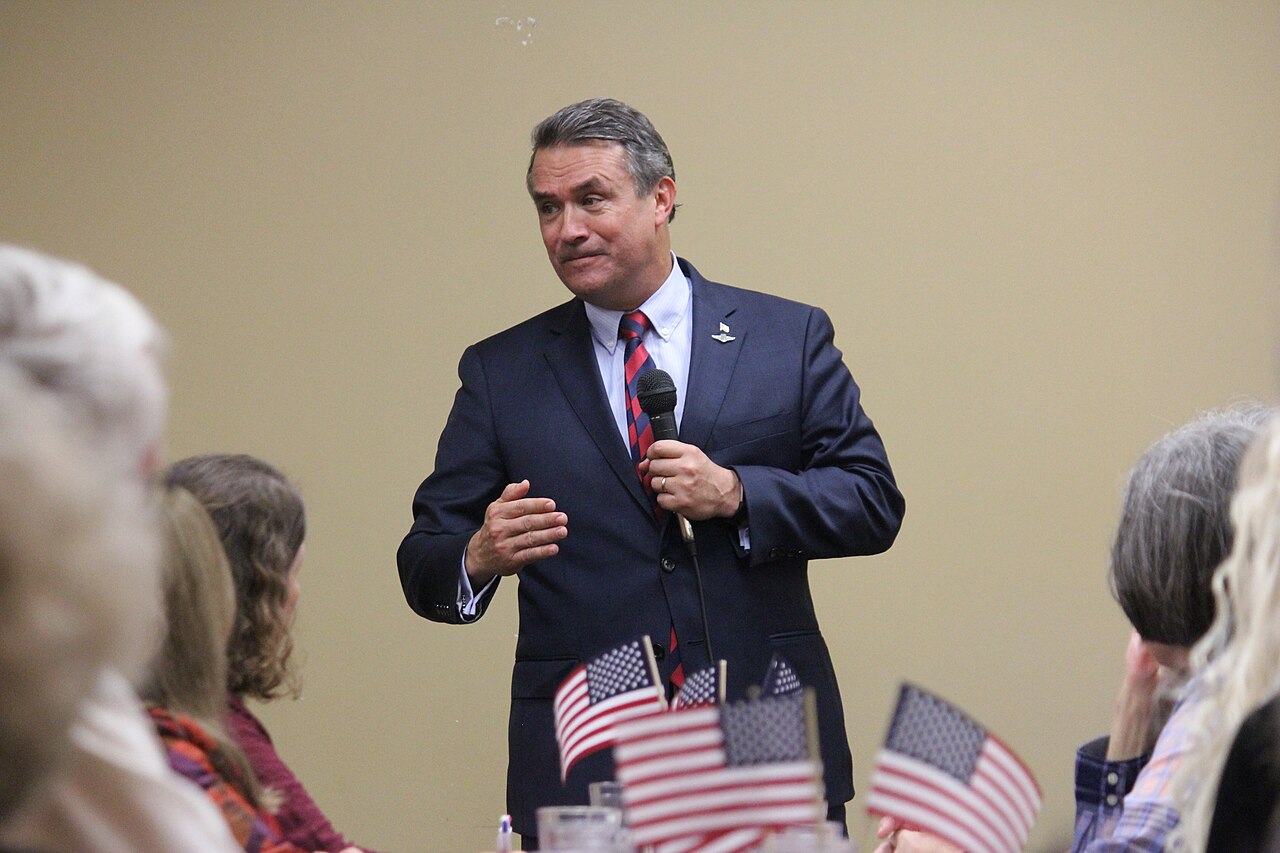
Rep. Don Bacon (R-Neb.) issued a stark warning this week, suggesting that any attempt to withdraw the United States from NATO could spark serious internal conflict within the Republican Party.
GOP Division Over NATO Comes Into Focus
Speaking during a national television interview, Bacon said a decision to exit NATO without broad support would trigger what he described as a “civil war” within Republican ranks.
He emphasized that many conservatives still believe strongly in maintaining strategic alliances, especially when it comes to countering global powers like China and Russia.
While Bacon made clear that Americans do not want unnecessary military conflict, he stressed that strength on the world stage often depends on unity with allies.
Warning: Long-Term Damage to the Republican Party
Bacon didn’t hold back when discussing the political consequences.
He warned that dismantling or walking away from NATO could fracture the GOP in a way that might take years—if not decades—to repair. According to him, many Republicans would view such a move as unacceptable, creating a divide that could reshape the party’s future.
His comments highlight a broader debate inside conservative circles about how the U.S. should approach global leadership in a rapidly changing world.
Trump Doubles Down on ‘America First’ Approach
The warning comes as President Donald Trump continues to challenge traditional alliances and push an “America First” foreign policy strategy.
In a recent statement, Trump pointed to America’s military strength and argued that the United States does not depend on foreign nations to achieve its goals. He also criticized some allied countries for not stepping up during ongoing tensions in the Middle East.
At the heart of the issue is frustration over what many conservatives see as an unfair financial and military burden placed on the U.S. compared to other NATO members.
Global Tensions Rising: Why NATO Still Matters
The debate is unfolding as tensions escalate around the Strait of Hormuz—a critical global shipping route responsible for a large share of the world’s oil supply.
Disruptions in the region have already caused energy prices to surge, putting pressure on American families dealing with higher gas and grocery costs.
Trump has called for an international coalition to help secure the waterway, though it remains unclear how many countries are willing to fully participate.
A Longstanding Debate Inside the GOP
NATO, established in 1949 during the Cold War, was designed to counter the Soviet Union. Critics argue the alliance is outdated and needs reform, while supporters say it remains essential for global stability and national security.
This divide reflects a larger question facing the Republican Party today:
Should America continue leading global alliances—or focus more narrowly on its own national interests?
What Happens Next Could Shape the GOP’s Future
As disagreements grow louder, one thing is clear—this is no small policy debate.
The outcome could influence not only America’s role on the world stage, but also the direction of the Republican Party heading into future elections.
For voters watching closely, the question is simple: Does stepping back from NATO strengthen America—or risk weakening the party at home?