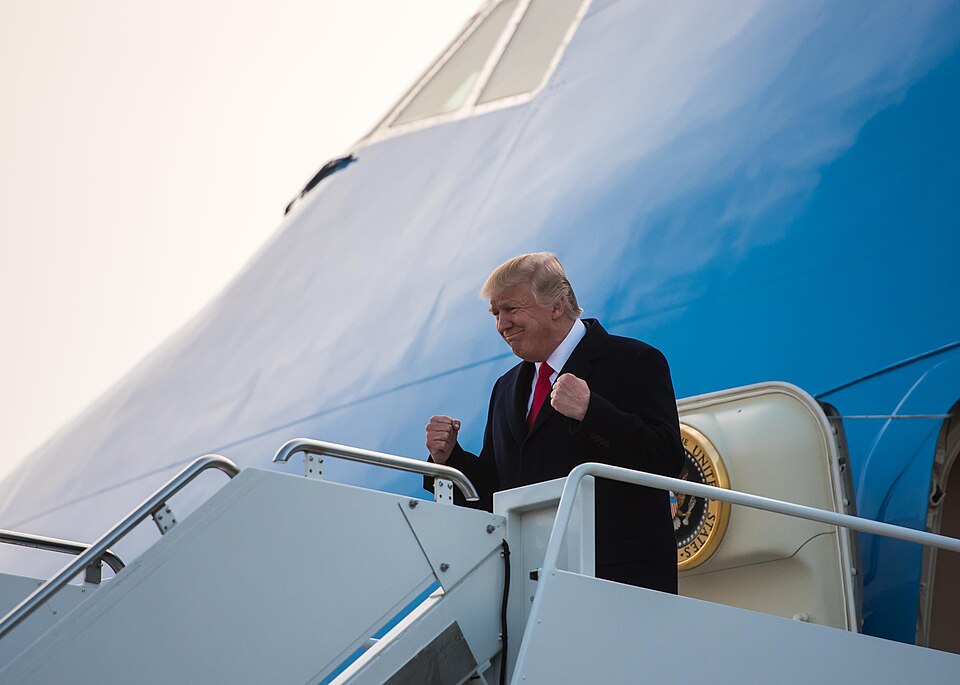
Here’s what Trump just did.
President Donald Trump’s administration has announced a major immigration policy change, suspending a visa-free travel program for Chinese nationals over concerns involving national security, birth tourism, and potential exploitation of America’s immigration system.
The Department of Homeland Security (DHS) confirmed Tuesday that the suspension will affect Chinese citizens traveling to the Commonwealth of the Northern Mariana Islands, a U.S. territory in the western Pacific.
The decision marks another significant step in the Trump administration’s effort to strengthen immigration screening and address security vulnerabilities involving foreign nationals entering American territory.
The new restrictions take effect on October 30, 2026, at 2 p.m. Eastern Time.
DHS Moves to Suspend Chinese Visa-Free Travel Program
The suspended program, officially known as the Economic Vitality and Security Travel Authorization Program (EVS-TAP), allowed eligible Chinese citizens to visit the Northern Mariana Islands for up to 14 days without obtaining a traditional U.S. visa.
The Biden-era arrangement was intended to support tourism and economic activity while maintaining certain security screening requirements.
However, the Trump administration determined that the program presented unacceptable risks to American national security and immigration enforcement.
According to DHS, more than 3,000 Chinese nationals entered the Northern Mariana Islands through the program during fiscal year 2025.
Unlike visitors who undergo standard visa interviews at American consulates, travelers using the program received screening through U.S. Customs and Border Protection.
Federal officials concluded that the streamlined process did not provide sufficient protection against potential security threats.
The suspension applies to new applicants and travelers who previously received authorization but have not yet entered the territory.
Birth Tourism and National Security Concerns
One major issue behind the administration’s decision involves birth tourism, a practice in which foreign nationals travel to the United States to give birth, potentially allowing their children to obtain American citizenship.
Federal authorities have expressed concerns that certain immigration arrangements could be exploited for this purpose.
The Northern Mariana Islands have faced longstanding questions about birth tourism, making the territory an important focus of immigration enforcement discussions.
DHS also raised concerns about potential intelligence gathering and unauthorized travel involving Chinese nationals entering through simplified immigration procedures.
The Northern Mariana Islands are located near Guam, home to important American military facilities and strategic defense operations.
That location makes security screening particularly important as tensions between Washington and Beijing continue to influence American defense and immigration policy.
Federal officials pointed to previous incidents involving unauthorized movement and activity near sensitive military locations as evidence that stronger screening measures were necessary.
The administration has not claimed that every Chinese traveler poses a security threat. Instead, officials argue that the existing program created vulnerabilities that could be exploited by individuals seeking to circumvent established safeguards.
Trump Administration Prioritizes Immigration Enforcement
The decision reflects the Trump administration’s broader approach to immigration, emphasizing stricter screening procedures and stronger oversight of foreign nationals seeking entry into American territory.
Supporters of the policy argue that national security should take priority when immigration programs create potential opportunities for abuse.
The administration maintains that requiring travelers to obtain traditional visas provides additional opportunities for federal authorities to evaluate applicants before they reach American territory.
The policy also addresses longstanding concerns among Republican lawmakers who questioned whether the special travel arrangement provided adequate protection against immigration violations and foreign intelligence activities.
For the administration, the issue extends beyond tourism.
Officials are examining whether programs established to encourage economic activity could also create weaknesses in America’s immigration enforcement system.
Republican Lawmakers Had Raised Warnings
Several Republican senators previously urged federal officials to reconsider the program, citing concerns involving birth tourism and potential threats to national security.
Lawmakers questioned whether allowing Chinese nationals to enter the Northern Mariana Islands without traditional visa processing created unnecessary risks.
Their concerns were particularly significant because of the territory’s proximity to major American military installations.
While the program included federal screening requirements, critics argued that standard consular visa procedures could provide an additional layer of security.
The administration’s suspension effectively addresses those concerns by requiring affected Chinese travelers to follow the traditional visa application process.
The decision also highlights growing scrutiny of immigration policies involving China and strategically important American territories.
What the New Visa Suspension Means
Beginning October 30, Chinese nationals who previously qualified for the special travel authorization generally must obtain an appropriate U.S. nonimmigrant visa before visiting the Northern Mariana Islands.
There are important exceptions.
Chinese citizens already legally present in the territory under the existing program will be permitted to complete their authorized stays.
However, those individuals must obtain the appropriate visa before returning on a future visit unless another lawful exception applies.
The decision does not establish a complete travel ban against Chinese citizens.
Legitimate travelers can still apply for visas through established State Department procedures.
The distinction is important because the administration is suspending a specific visa-free travel pathway rather than prohibiting all Chinese nationals from entering the territory.
DHS will evaluate the program in consultation with the State Department and Department of the Interior before determining whether additional action is necessary.
Why the Northern Mariana Islands Matter to U.S. Security
Although the Northern Mariana Islands receive less national attention than the southern border, their location makes them strategically important to the United States.
The territory sits in the western Pacific, where American military operations play a critical role in regional defense.
Nearby Guam hosts significant military infrastructure, making immigration oversight throughout the region an important security consideration.
Federal officials are concerned that individuals who gain access to American territories through less restrictive immigration arrangements could attempt unauthorized travel or engage in activities that threaten national interests.
The possibility of foreign intelligence operations has added urgency to those concerns.
The suspension also presents economic challenges for the Northern Mariana Islands, where tourism contributes to local businesses and employment.
Federal officials acknowledged that tighter travel restrictions could inconvenience legitimate visitors and affect economic activity.
Nevertheless, DHS determined that the identified security and law enforcement risks outweighed those considerations.
Another Major Immigration Decision From Trump
The latest announcement demonstrates the administration’s continued focus on tightening immigration procedures and reviewing policies that officials believe could expose the country to unnecessary risks.
Rather than allowing the special travel arrangement to continue while security concerns remain unresolved, DHS has chosen to suspend the program during its review.
The decision also reinforces a central argument behind the administration’s immigration policies: Entry into American territory should be subject to security requirements designed to protect the country and enforce existing law.
For American citizens concerned about border security, immigration enforcement, and foreign influence, the suspension raises broader questions about how many existing travel programs may require additional scrutiny.
The Trump administration has made its position clear: Economic benefits alone are not sufficient justification for maintaining an immigration program when federal officials believe national security could be at risk.
With the October 30 deadline approaching, affected travelers will soon face stricter entry requirements as Washington considers whether the visa-free program should ever be restored.