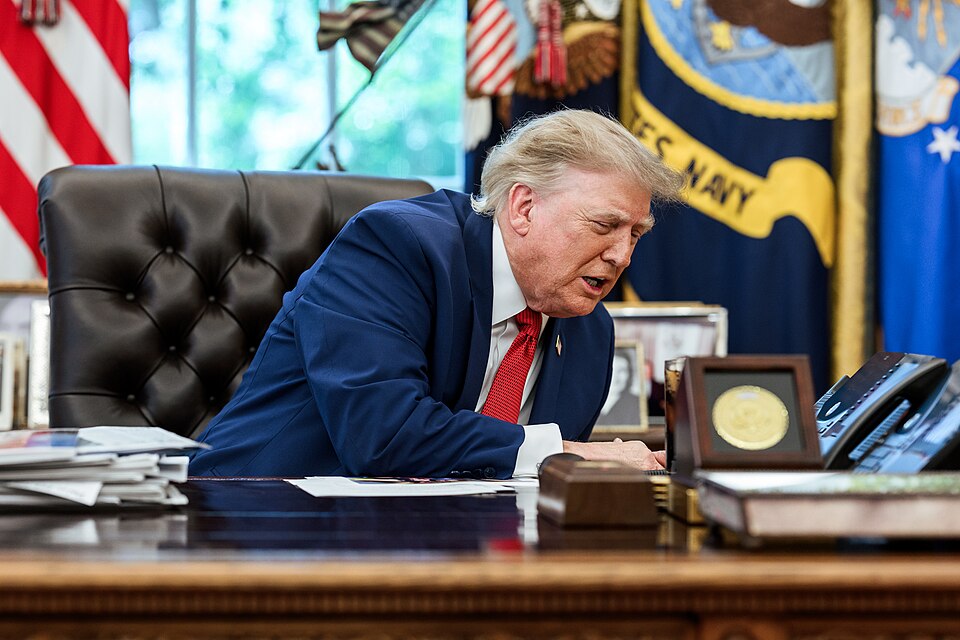
Here’s what the Trump Administration had to say.
The Trump administration is taking aim at CBS News after accusing the network’s popular 60 Minutes program of leaving out critical information about an immigrant featured in a controversial deportation story.
Officials with the Department of Homeland Security (DHS) argue that the network failed to disclose details from the man’s immigration records that could have changed how viewers understood his case.
The dispute centers on Moussa Diawara, a 57-year-old native of Mali who lived in Texas for more than two decades before being deported earlier this year.
While CBS focused on his separation from his American family and concerns about his safety overseas, administration officials say the program overlooked serious questions surrounding his original asylum application.
The accusations have sparked a fresh debate about immigration enforcement, asylum claims, and whether major news organizations are providing Americans with all the relevant facts.
Trump Administration Calls Out CBS Over Immigration Report
The controversy began after 60 Minutes aired an October 25 report examining the Trump administration’s policy of deporting certain immigrants to countries other than their homelands.
Diawara was featured prominently in the segment.
According to CBS, he entered the United States on a tourist visa approximately 25 years ago but remained after his authorization expired.
He later settled in the Houston area, married, worked, and raised two children who are American citizens.
However, his immigration status remained unresolved.
In 2012, an immigration judge issued a final order of removal. The judge also granted him protection against being returned directly to Mali because of concerns about potential persecution.
That distinction became central to his case.
Federal officials maintained that the removal order remained valid and that Diawara could legally be deported to another country.
In July 2026, immigration authorities detained him and subsequently transported him to Ghana.
But the Trump administration says CBS failed to disclose another important part of his immigration history.
DHS Raises Questions About Asylum Application
Department of Homeland Security General Counsel James Percival challenged the network’s reporting after reviewing Diawara’s immigration records.
According to Percival, Diawara’s original application for protection claimed that he feared persecution in Mali because of his sexual orientation.
The administration questioned that claim after highlighting his marriage to a woman and their two children.
DHS publicly characterized the situation as potential immigration fraud and criticized 60 Minutes for not including the specific asylum claim in its broadcast.
An asylum application reportedly obtained by Fox News described Diawara’s experiences and concerns about how he would be treated in Mali.
However, marriage to a woman and having children do not establish that someone is heterosexual or that a claim involving sexual orientation is false.
The administration has raised allegations about the credibility of Diawara’s application, but those allegations should not be confused with a judicial determination that he committed fraud.
The central criticism from DHS is that viewers were not given the opportunity to consider this additional information when watching the CBS report.
CBS Report Focused on Deportation and Family Separation
The 60 Minutes segment presented Diawara’s account of being detained by federal immigration officers near his Texas home.
According to the report, he was taken into custody in July and spent approximately three weeks in immigration detention before being flown to West Africa.
CBS described the emotional consequences for his family and examined the difficulties he encountered after arriving in Ghana.
Diawara told the network that Ghanaian authorities subsequently forced him onto a flight to Mali, despite the earlier immigration ruling preventing his direct return there from the United States.
He described facing dangerous conditions and struggling to survive after arriving in Mali.
According to CBS, he eventually escaped to another African country with assistance from local truck drivers.
Diawara asked the network not to reveal his new location because of concerns about his safety.
The broadcast also included comments from DHS questioning the credibility of some asylum claims, along with the department’s defense of third-country deportations.
However, the administration says the report omitted the specific details of Diawara’s earlier application that officials considered relevant.
Immigration Officials Defend Trump’s Deportation Policy
DHS has defended its handling of Diawara’s deportation.
The department maintains that he was transported to Ghana rather than directly to Mali, consistent with the country-specific protection issued by the immigration judge.
Officials also said Ghana had provided diplomatic assurances concerning his safety.
The controversy highlights an important feature of federal immigration law.
An individual can be ordered removed from the United States while simultaneously receiving legal protection against deportation to a particular country.
Such protections do not automatically grant permanent legal residency or eliminate an existing removal order.
Instead, they restrict where the federal government can send the individual.
The Trump administration argues that third-country deportations provide an additional way to enforce immigration laws and carry out removal orders.
Critics contend that the policy requires careful oversight to ensure deportees are not subsequently transferred to countries where they could face persecution.
CBS Editing Decisions Face New Scrutiny
The disagreement has also raised broader questions about the responsibility of major news organizations when covering complicated immigration cases.
DHS officials contend that information about the basis of Diawara’s asylum application should have been included alongside the story of his family and deportation.
For the administration, the issue goes beyond one individual’s immigration proceedings.
Federal officials have repeatedly warned that fraudulent asylum applications can undermine the integrity of the immigration system and complicate legitimate claims for protection.
At the same time, determining whether an asylum application contains fraudulent statements requires evidence and a proper legal assessment.
CBS’s report concentrated on the consequences of third-country deportations and whether those arrangements adequately protect individuals from being returned to dangerous locations.
The two issues raise different questions: whether an asylum claim was truthful and whether the government complied with the legal protections that remained in place.
Both questions are relevant to understanding the controversy.
What This Means for Trump’s Immigration Agenda
The dispute arrives as President Trump continues to emphasize immigration enforcement as a major priority of his administration.
Federal officials have argued that existing immigration orders must be enforced and that allowing individuals to remain indefinitely after receiving final removal orders weakens the system.
The administration also maintains that immigration laws should protect public safety while preserving the integrity of legal immigration procedures.
Meanwhile, disputes over third-country deportations have produced legal challenges concerning due process and the treatment of people removed from the United States.
The Diawara case has become part of that larger national discussion.
Administration officials believe the omitted details about his asylum application were significant enough to warrant public attention.
CBS’s reporting, on the other hand, examined whether deportees are being exposed to dangers that immigration courts previously determined they should be protected against.
Questions Remain About the CBS Controversy
The Trump administration’s criticism of 60 Minutes has placed renewed attention on the information television networks choose to include in their reporting.
DHS says the program should have disclosed more about Diawara’s asylum application and the questions officials have raised about its credibility.
The network’s investigation focused on what happened after he was deported and the possible consequences of the administration’s third-country removal policy.
The dispute remains unresolved on several important points, including the credibility of the allegations and whether the circumstances of Diawara’s transfer complied with applicable protections.
Ultimately, the controversy illustrates why complete immigration records, accurate reporting, and clear explanations of federal law matter.
As the Trump administration continues its immigration enforcement efforts, the case is likely to remain part of the broader debate over border security, asylum procedures, government accountability, and the role of the national news media.