Here are the facts.
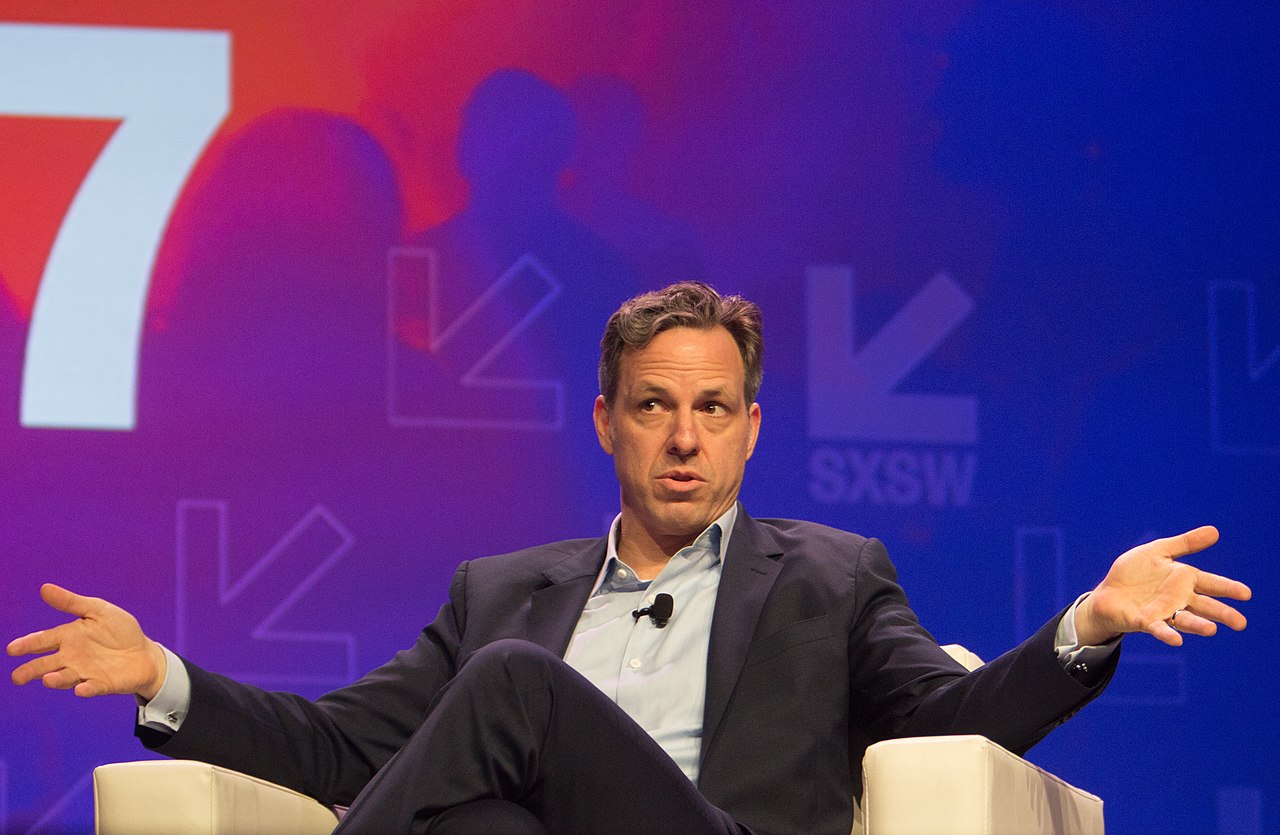
President Donald Trump’s comments about Russia and Iran sparked a pointed exchange on national television Sunday, as CNN anchor Jake Tapper pressed U.S. Ambassador to the United Nations Mike Waltz over reports that Russia may be helping Iran gather intelligence during the ongoing conflict.
The issue has raised serious concerns in Washington, particularly as American troops remain deployed in the region and tensions with Iran continue to escalate.
Trump Suggests Russia May Be Assisting Iran
During an appearance on Fox News radio with host Brian Kilmeade, President Trump acknowledged the possibility that Russian President Vladimir Putin could be offering some level of support to Iran.
“I think he might be helping him a little bit, yes,” Trump said.
Trump framed the situation as part of the broader geopolitical rivalry between global powers, noting that many countries often support opposing sides in international conflicts.
“He probably thinks we’re helping Ukraine,” Trump added. “China might say the same thing. It’s the kind of thing that happens in world politics.”
His remarks quickly drew attention as the United States continues military operations aimed at weakening Iran’s ability to threaten American forces and allies in the Middle East.
CNN Presses Trump Official on Russia Question
The comments became a focal point during Sunday’s broadcast of CNN’s “State of the Union,” where Tapper asked Ambassador Waltz whether there is any comparison between U.S. support for Ukraine and Russia potentially helping Iran.
“Do you see an equivalence between the U.S. helping Ukraine defend itself and Russia helping Iran target U.S. service members?” Tapper asked.
Waltz responded by noting that Russia and Iran have maintained a growing strategic partnership for years, particularly in areas involving energy, military cooperation, and geopolitical interests.
However, he also emphasized that the Trump administration has taken significant action against Russia when necessary.
Waltz Points to Trump’s Tough Sanctions
Waltz highlighted several steps taken by President Trump to pressure Russia economically.
According to the ambassador, Trump placed sanctions on major Russian energy companies, including Rosneft, the country’s largest oil producer, and Lukoil, another major energy giant.
Waltz argued those moves demonstrated that the administration has been willing to confront Moscow when U.S. interests are at stake.
He also contrasted those actions with the previous administration’s approach.
“The Biden administration waited years before taking even limited action,” Waltz said. “Those steps only came toward the very end.”
Waltz added that the Trump administration recently temporarily paused certain sanctions in order to stabilize global energy markets during the ongoing crisis in the Middle East.
Refuses to Confirm Intelligence Reports
Despite repeated questions from Tapper, Waltz declined to confirm whether Russia is actively providing intelligence to Iran.
“I’m not going to discuss leaked intelligence assessments about what may or may not be happening,” Waltz said.
U.S. officials often avoid commenting on sensitive intelligence matters publicly, particularly when ongoing military operations are involved.
Iran’s Military Power “Severely Weakened”
Even while refusing to confirm the intelligence claims, Waltz suggested that any assistance Iran might be receiving has not changed the battlefield.
“If they are doing it, it certainly hasn’t been effective,” Waltz said.
He argued that recent military operations have heavily damaged Iran’s military capabilities, including its air defenses, missile systems, naval assets, and air force.
According to Waltz, those setbacks have significantly reduced Iran’s ability to threaten American forces or regional allies.
Growing Concerns Over Russia–Iran Alliance
The possibility of closer cooperation between Russia and Iran has been a growing concern among U.S. officials and foreign policy analysts.
Both countries have increasingly aligned their interests in recent years, particularly as tensions with the United States and its allies have intensified.
As the conflict continues, Washington will be closely watching whether that partnership expands—and what it could mean for American troops and global stability.