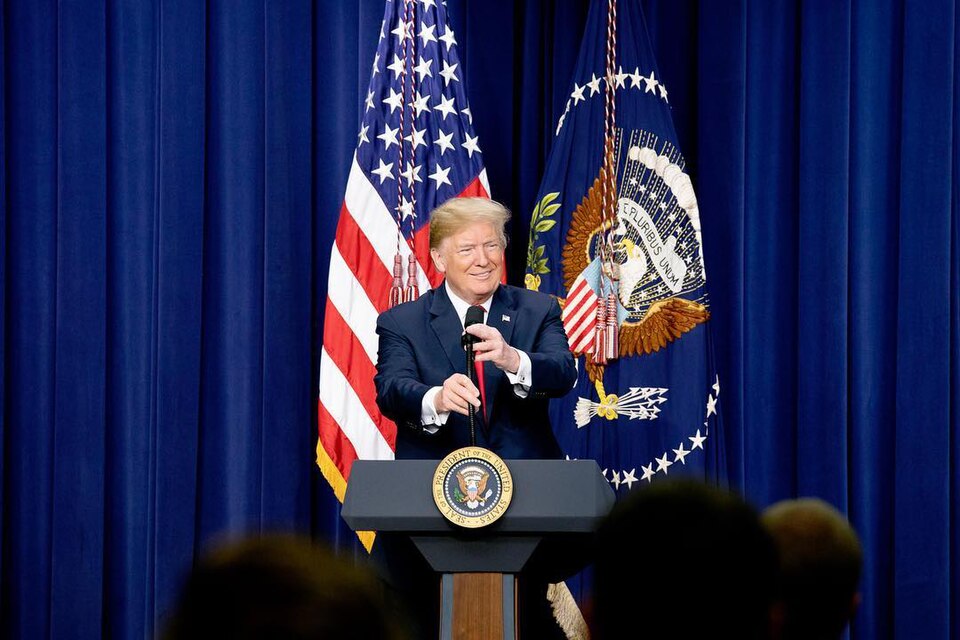
Kimmel is still not over his loss to Trump.
Jimmy Kimmel is openly worried about the future of late-night television, and some observers believe President Donald Trump may be playing a larger role in the changing media landscape than many in Hollywood want to admit.
The longtime ABC host recently spoke about the cancellation of Stephen Colbert’s late-night show, admitting that the decision left him feeling discouraged and uncertain about his own future on television.
His comments come as traditional late-night programs continue to struggle with falling ratings, changing viewer habits, and growing competition from streaming platforms, podcasts, social media creators, and independent news outlets.
Kimmel Sees Warning Signs
In a recent interview, Kimmel acknowledged that the end of Colbert’s program felt personal.
According to Kimmel, watching one of the industry’s biggest names lose his platform made him wonder whether his own show could face a similar fate.
The concerns are understandable. For decades, late-night television dominated American entertainment. Today, however, audiences have more viewing options than ever before, and many viewers are choosing online content over traditional network programming.
As ratings decline across the television industry, executives are increasingly focused on cutting costs and improving profitability.
Questions Surround Colbert’s Exit
CBS announced that it was ending “The Late Show” franchise, citing financial challenges facing the late-night television business.
Network executives insisted the move was purely economic and unrelated to politics.
Not everyone is convinced.
Kimmel questioned reports about the financial situation surrounding Colbert’s show, noting that CBS had reportedly discussed long-term commitments with the host before ultimately pulling the plug.
That has fueled speculation among media insiders about whether additional factors may have influenced the network’s decision.
While CBS continues to maintain that finances were the primary reason, critics argue the timing has raised legitimate questions.
Trump Remains a Major Force in Media
The cancellation also occurred during a period of significant political and corporate activity involving Paramount Global, CBS’s parent company.
The company had been dealing with legal matters involving President Trump while simultaneously seeking approval for a major merger.
The timing immediately attracted attention from political commentators across the spectrum.
Regardless of where viewers stand politically, there is little doubt that Trump remains one of the most influential figures in modern media. His presence continues to drive ratings, generate headlines, and shape discussions across television, radio, podcasts, and social media.
Many Americans who once tuned into late-night comedy for entertainment have increasingly voiced frustration with what they view as one-sided political commentary from hosts such as Kimmel and Colbert.
ABC’s Next Move Remains Unclear
Kimmel’s own future may be adding to his anxiety.
Reports indicate that ABC recently extended his contract for only one year rather than the longer agreements that had become standard in previous negotiations.
Industry observers have noted that discussions regarding a future contract appear to be moving slower than expected.
Kimmel admitted that he does not know what the network ultimately plans to do.
That uncertainty comes at a difficult time for broadcast television, as networks continue searching for ways to attract viewers while controlling costs.
The Decline of Traditional Late-Night TV
The bigger story may be what Kimmel’s concerns reveal about the state of late-night television itself.
Once considered must-watch entertainment, late-night programs have seen audience numbers shrink dramatically over the past decade.
Younger viewers increasingly consume content through YouTube, streaming services, podcasts, and social media platforms rather than sitting down to watch network television at a scheduled time.
At the same time, critics argue that many late-night hosts abandoned broad comedy in favor of partisan political messaging, potentially alienating large segments of the viewing audience.
Conservative viewers, in particular, have often complained that major late-night programs became more focused on political activism than entertainment.
Whether that criticism is fair remains a matter of debate, but the ratings challenges facing the industry are difficult to ignore.
A Changing Media Landscape
As President Trump continues shaping the national conversation and new media platforms gain influence, traditional television faces mounting pressure to adapt.
For Kimmel, the cancellation of Stephen Colbert’s show appears to have served as a wake-up call.
What once seemed like a secure position at the center of American entertainment now looks far less certain.
The future of late-night television remains unclear, but one thing is becoming increasingly obvious: the media world is changing rapidly, and even some of its biggest stars are beginning to feel the pressure.