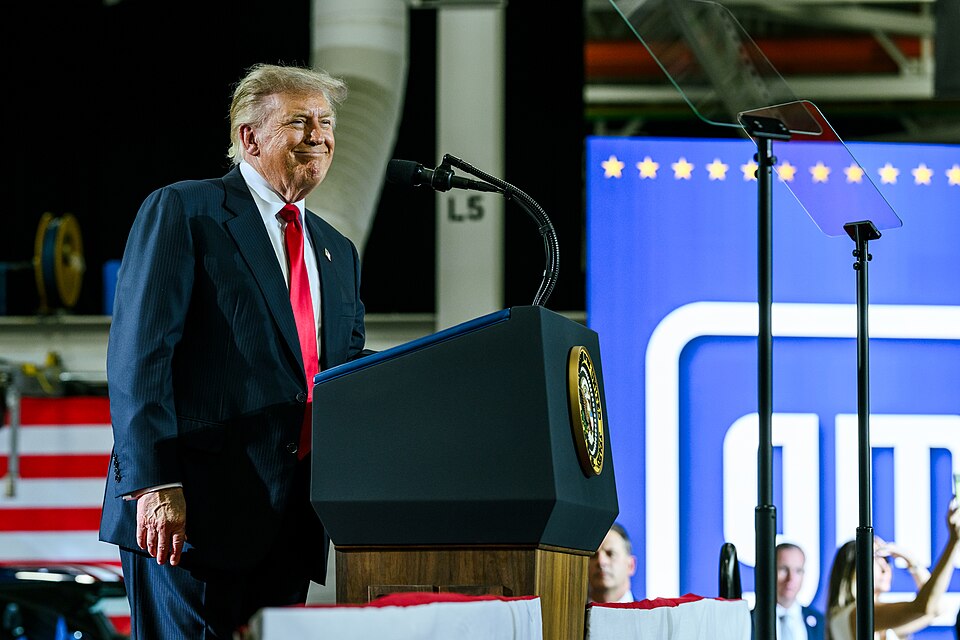
Here’s what Trump had to say.
President Donald Trump is sending a clear message as the 2026 midterm elections draw closer: He plans to remain a major force in Republican races across the country.
Trump used his latest endorsement numbers Sunday to argue that his political influence remains strong, even after several of his preferred candidates suffered notable defeats in recent Republican primaries.
In a Truth Social post, Trump declared that his endorsements are “stronger than ever” and pointed to what he described as an overwhelming winning record for candidates receiving his backing.
According to a graphic Trump shared, 254 of 262 candidates he endorsed have won their races this election cycle, which the president’s post calculated as a success rate of approximately 97%.
The numbers are significant as Republicans prepare for November and the battle for control of Congress intensifies.
Trump Highlights His Republican Endorsement Record
Presidential endorsements have become an important part of Republican primary politics, with candidates frequently competing to secure Trump’s support.
Trump argues that his record demonstrates his continued influence with GOP voters.
The president also suggested that his endorsements have helped some candidates break through who might otherwise have struggled to gain attention or win their races.
But his record has not been perfect.
Several Trump-backed candidates have suffered high-profile losses during the 2026 primary season, giving critics an opportunity to question how much influence the president can ultimately exercise over Republican voters.
Trump-Backed Candidates Lose Key Races
One of the most notable defeats came in Florida, where Rep. Cory Mills lost his Republican primary to former television anchor Ryan Elijah.
Trump had previously endorsed Mills. Following the congressman’s defeat, the president said he had encouraged Mills to leave the race before the primary and subsequently threw his support behind Elijah.
Another setback occurred in Tennessee.
Rep. Andy Ogles, who had Trump’s endorsement, lost his Republican primary to former Tennessee Agriculture Commissioner Charlie Hatcher.
Trump-backed candidates have suffered other defeats as well, demonstrating that even a presidential endorsement cannot guarantee victory.
Still, Trump is focusing attention on his overall record rather than the individual losses.
Trump Explains Why He Backed Losing Candidates
Trump said loyalty played a major role in some of the endorsements that failed to produce victories.
According to the president, several of those candidates faced extremely difficult races from the beginning. He nevertheless decided to support them because he believed they deserved his loyalty.
Trump also made clear that he considers an endorsement a serious decision rather than simply another piece of campaign politics.
His explanation offers a glimpse into how the president approaches Republican contests: electability matters, but personal loyalty can also influence which candidates ultimately receive his support.
More Tests For Trump’s Political Influence
Trump’s endorsement power will continue to face scrutiny as additional Republican contests are decided.
One closely watched race is unfolding in South Carolina, where Trump-backed Darline Graham is facing Rep. Ralph Norman in a Republican Senate runoff.
Oklahoma is another important battleground.
Trump has endorsed Mike Mazzei for governor, but Mazzei must overcome state Attorney General Gentner Drummond to secure the Republican nomination.
The outcomes will add more evidence to the continuing debate over Trump’s influence inside the Republican Party.
Midterms Put Trump’s Endorsement Power In Spotlight
The stakes extend well beyond individual Republican primaries.
The 2026 midterm elections will determine control of Congress and shape the final two years of Trump’s current term in the White House.
That makes the quality of Republican candidates particularly important. Winning a primary is only the first step; candidates must then defeat their Democratic opponents in November.
Trump appears determined to use his political capital to influence which Republicans make it onto those general-election ballots.
His endorsement record will therefore remain closely watched as primary season continues.
Trump Makes His Midterm Strategy Clear
For Trump, the numbers tell the story he wants Republican voters to remember.
Despite several headline-grabbing defeats, the president maintains that the overwhelming majority of candidates receiving his endorsement have been successful.
That gives Trump another argument that his influence within the Republican Party remains substantial heading toward November.
The upcoming races in South Carolina, Oklahoma and elsewhere will provide fresh tests of that claim.
With control of Congress hanging in the balance, one thing is already apparent: Trump intends to play an aggressive role in shaping the Republican ticket — and he wants voters to know he believes his endorsement remains one of the most valuable assets in GOP politics.