This was a major move.
U.S. Forces Seize Sanctioned Oil Tanker in Major Enforcement Operation
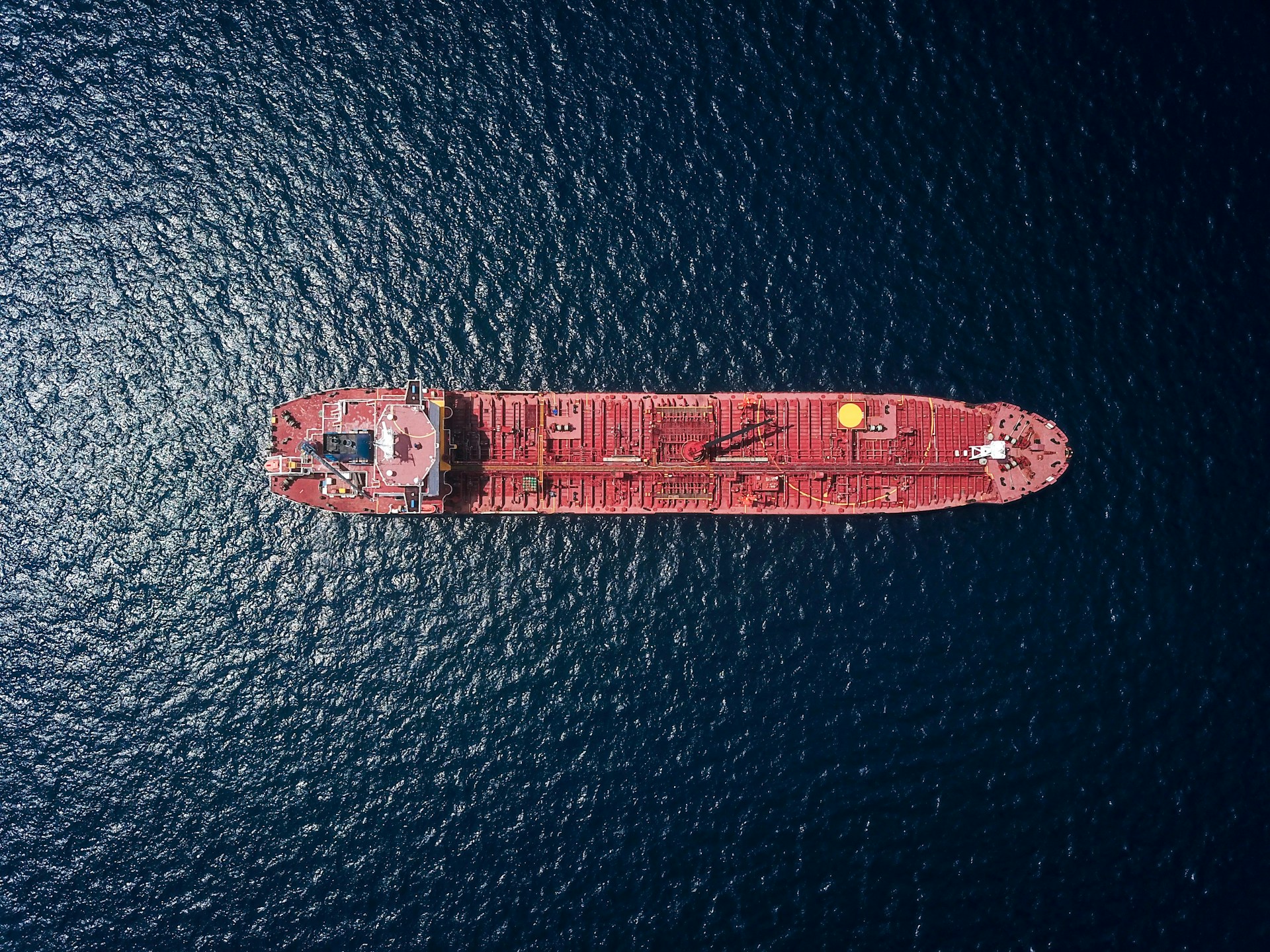
In a powerful demonstration of American strength, forces under President Donald Trump intercepted a sanctioned oil tanker operating in the Indian Ocean this week, according to the Department of War.
The vessel — identified as the Bertha — had reportedly departed Venezuela earlier this year despite an active U.S. maritime quarantine targeting sanctioned oil shipments. The interdiction signals that the Trump administration’s enforcement strategy now extends far beyond the Caribbean.
For Americans concerned about border security, national sovereignty, and energy independence, this latest move reinforces a broader message: sanctions are not symbolic — they are being enforced.
Trump’s Maritime Quarantine Expands Beyond the Caribbean
In mid-December, President Trump announced a sweeping maritime quarantine aimed at oil tankers connected to sanctioned regimes, including the former Venezuelan government led by Nicolás Maduro.
That policy marked a significant escalation in economic pressure. Now, with enforcement reaching into the Indian Ocean, officials say no sanctioned vessel can assume it is beyond America’s reach.
According to the Department of War, U.S. forces conducted a lawful “right-of-visit” boarding in the Indo-Pacific Command region. The operation was completed without incident.
Officials stated the tanker had attempted to evade tracking efforts after leaving Venezuela’s primary oil port — a movement first highlighted by The New York Times earlier this year.
“International Waters Are Not a Refuge”
In a strongly worded statement, the Department of War emphasized that international waters will not shield those violating U.S. sanctions.
Three smaller boats reportedly attempted to flee during the operation but were captured.
The message was clear:
Sanctioned actors and illicit oil traffickers will not be allowed to operate freely — whether in the Caribbean, the Indo-Pacific, or anywhere else on the globe.
For many Americans over 50 who remember a time when U.S. naval dominance was unquestioned, this operation represents a return to assertive enforcement of American policy abroad.
WATCH:
OVERNIGHT: The U.S. Department of War forces boarded and seized the sanctioned Venezuelan-linked oil tanker Bertha in the Indian Ocean, tracking it from the Caribbean as part of the ongoing quarantine on illicit Maduro-regime oil shipments
— RedWave Press (@RedWavePress) February 24, 2026
Department of War: “Overnight, U.S.… pic.twitter.com/Pr32XWP3iK
Pattern of Enforcement: Not the First Seizure
This is not an isolated incident.
Earlier this month, U.S. forces also intercepted the tanker Veronica III, a vessel listed by U.S. Treasury Department on its Specially Designated Nationals sanctions list.
According to OpenSanctions, that tanker has been linked to the movement of sanctioned Iranian crude oil and tied to a Chinese ship management firm already under U.S. restrictions.
The vessel — a large crude carrier built in 2006 and flagged in Panama — had reportedly transported hundreds of thousands of metric tons of restricted oil before its interception.
What This Means for U.S. Foreign Policy
This latest military action in the Indian Ocean signals three key developments:
- Global Enforcement – U.S. naval reach remains unmatched.
- Energy Sanctions Are Active – Not merely diplomatic statements.
- Economic Pressure Campaign Continues – Against hostile regimes and their partners.
For conservative voters and retirees closely watching global stability, energy markets, and American military posture, these operations reinforce a broader strategic direction under President Trump: enforce the rules, protect U.S. interests, and project strength overseas.
Why This Story Matters
Sanctions enforcement impacts:
- Global oil prices
- U.S. energy independence
- Relations with China and Iran
- Maritime security
- American geopolitical credibility
As tensions remain high in multiple regions, the ability of the United States to interdict vessels thousands of miles from home underscores continued military capability.