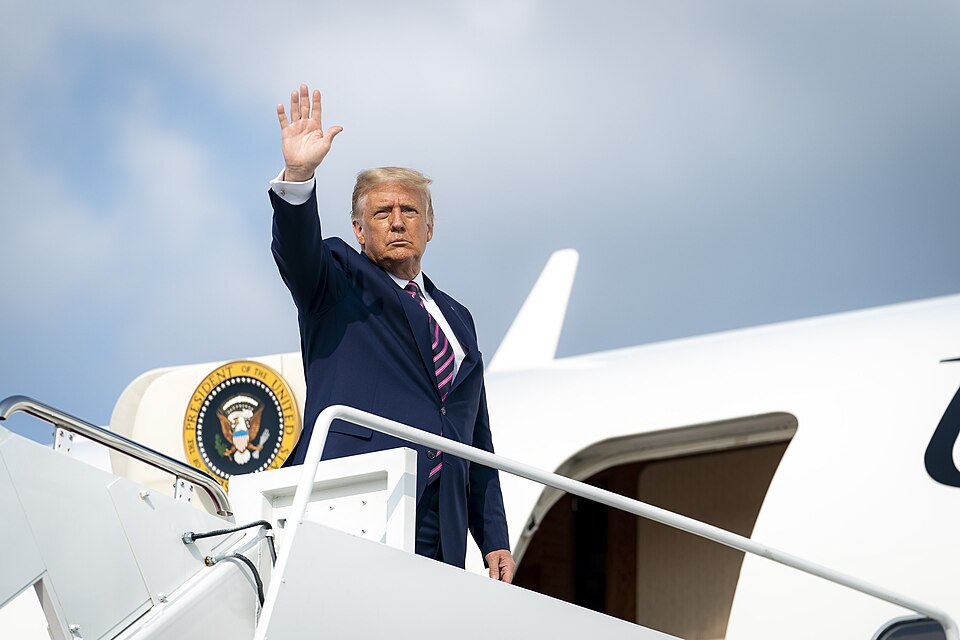
Previous presidents didn’t want to do this.
President Donald Trump is once again taking a hardline approach toward Cuba, signaling that his administration may finally confront a decades-long crisis that previous presidents avoided.
Speaking at the White House on Thursday, Trump described Cuba as a nation suffering from economic collapse, widespread shortages, and failing infrastructure. He suggested that America could soon play a larger role in shaping the island’s future.
“It’s a failed country,” Trump told reporters. “They don’t have electricity, they don’t have money, they don’t have really anything… and we’re going to help them along.”
Trump also pointed to the long history of failed American policy toward Cuba, saying leaders in Washington have talked about fixing the situation for more than 50 years without meaningful results.
“Other presidents have looked at doing something for 50 or 60 years,” Trump said. “It looks like I’ll be the one that does it.”
The remarks immediately drew attention from both supporters and critics, especially within Florida’s large Cuban-American community, where frustration with Cuba’s communist government remains strong.
Rubio Delivers Strong Warning To Havana
Secretary of State Marco Rubio also delivered a forceful message Thursday, arguing that Cuba’s political and economic systems are fundamentally broken.
Rubio said the Cuban regime has spent years delaying meaningful reforms while hoping American administrations would eventually ease pressure.
“Their system does not work,” Rubio said. “Their economic system is broken, and you can’t fix it with the current political structure in place.”
According to Rubio, Cuban leaders have relied on temporary solutions and empty promises instead of real reforms that would improve life for ordinary citizens.
He warned that strategy will no longer work under President Trump.
“We’re very serious, and we’re very focused,” Rubio said.
Pressure Campaign Expands
The Trump administration has recently increased pressure on Cuba through diplomatic action, legal action, and a stronger military presence in the region.
On Wednesday, the Justice Department announced charges against former Cuban leader Raúl Castro and several others tied to the 1996 shootdown of two civilian rescue planes connected to a Miami humanitarian group. The attack killed four people and remains a deeply emotional issue for many Cuban-American families.
The administration also deployed the USS Nimitz carrier strike group into the Caribbean, a move widely viewed as a show of American strength and regional stability.
Meanwhile, Rubio delivered a message directly to the Cuban people during Cuban Independence Day celebrations, criticizing the island’s leadership for years of economic hardship and political repression.
Cuba Facing Deep Economic Crisis
Cuba continues to struggle with severe economic problems, including food shortages, fuel shortages, inflation, and recurring power outages. Many citizens have fled the island in recent years searching for greater opportunity and freedom.
Supporters of Trump say his tougher approach sends a clear message that the United States will no longer tolerate communist regimes operating just miles from American shores.
Many conservatives also argue that previous administrations were too weak on Cuba and allowed the regime to survive despite decades of failed economic policies and human rights concerns.
Critics, however, warn that escalating tensions could increase instability in the region.
Still, Trump appears determined to make Cuba a major foreign policy priority once again as his administration pushes for stronger American influence throughout the Western Hemisphere.
For many supporters, the renewed focus represents something they believe Washington has lacked for years: decisive leadership and a willingness to confront problems previous presidents left unresolved.