This is very concerning.
President Donald Trump’s administration is facing a new national security concern as federal officials warn that cybercriminals could exploit vulnerabilities in refrigeration systems used by grocery stores, hospitals, blood banks, and other essential facilities.
The growing cybersecurity threat raises serious questions about the safety of America’s food supply, healthcare infrastructure, and critical services that millions of families depend on every day.
Unlike traditional cyberattacks that focus on stealing financial information or personal data, these attacks can interfere with physical equipment responsible for keeping important products at safe temperatures.
Federal authorities are urging businesses and infrastructure operators to strengthen their security before vulnerabilities lead to more serious disruptions.
Federal Government Issues Cybersecurity Warning
A federal cybersecurity warning has drawn attention to weaknesses in internet-connected refrigeration and temperature-control systems.
These systems are widely used throughout the food industry, medical facilities, transportation networks, and commercial warehouses.
Modern refrigeration equipment often allows technicians and business owners to monitor temperatures remotely. While this technology offers convenience and efficiency, it can also introduce security risks when equipment is improperly protected.
Cybercriminals who gain unauthorized access could potentially change temperature settings, interfere with monitoring equipment, or interrupt normal operations.
Such interference could cause refrigerated products to spoil, create expensive losses for businesses, and disrupt services that Americans rely upon.
The concern is particularly significant because refrigeration technology supports multiple sectors of the economy.
A single incident might affect one business, while coordinated attacks against larger networks could create more widespread problems.
Grocery Stores And Blood Banks Face Potential Risks
Recent cybersecurity incidents involving refrigeration equipment have raised concerns about the consequences of attacks against essential services.
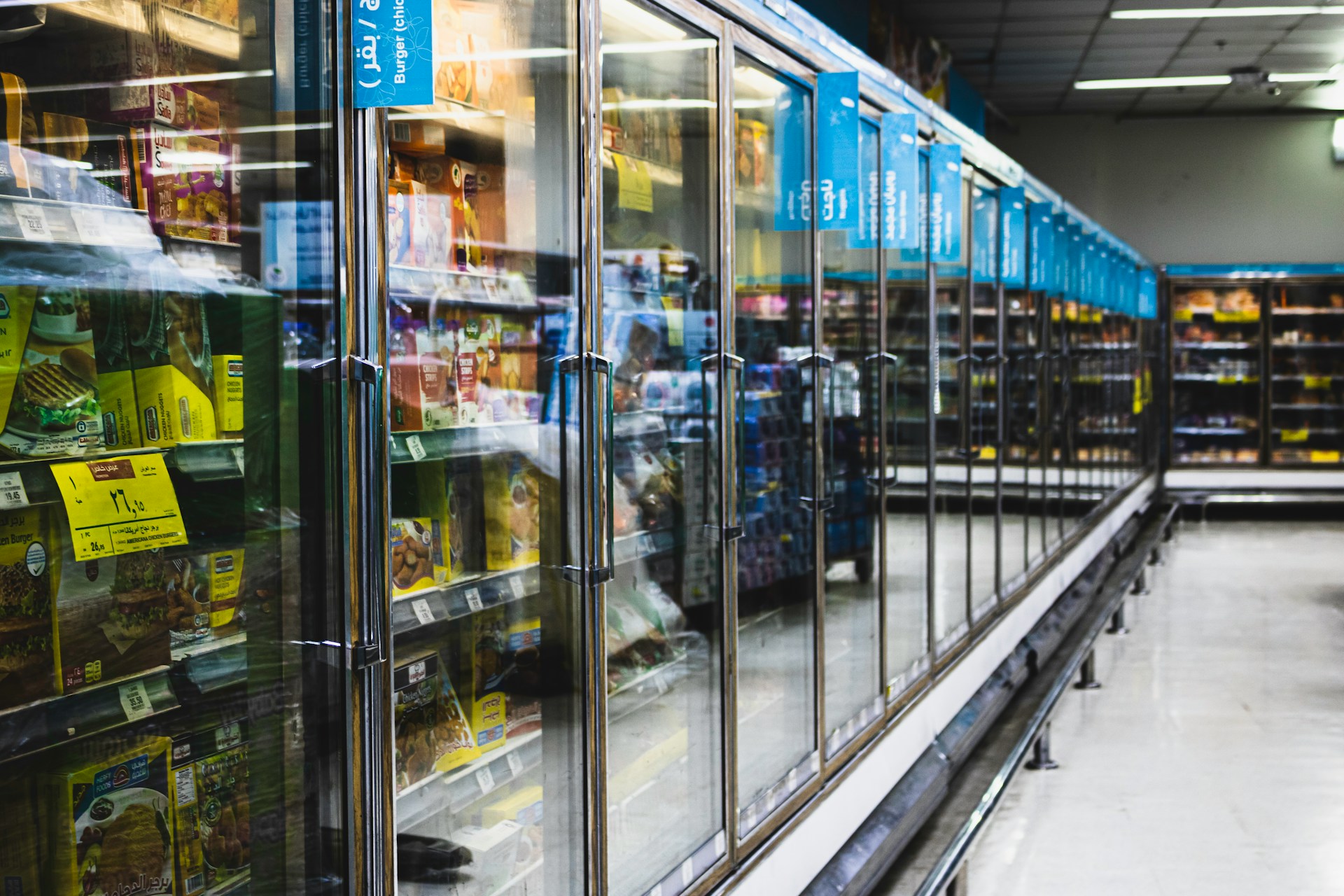
Grocery stores are especially vulnerable because they depend on carefully maintained temperatures to preserve meat, dairy products, frozen foods, and other perishable goods.
When refrigeration equipment stops functioning properly, businesses may be forced to discard inventory that can no longer be safely sold.
For supermarket operators, those losses can quickly become expensive.
Customers could also face temporary shortages or reduced product availability if refrigeration failures affect warehouses or distribution facilities.
However, the potential consequences extend beyond grocery stores.
Hospitals, blood banks, and medical laboratories rely on temperature-controlled storage to protect sensitive materials.
Blood products, certain medications, and other medical supplies require specific storage conditions to remain suitable for use.
If cybercriminals interfere with these systems, healthcare providers could face costly disruptions and additional challenges maintaining reliable services.
That makes protecting refrigeration infrastructure an important issue for both public safety and national security.
Why Millions Of Americans Could Be Affected
The nation’s food and healthcare systems rely on an extensive network of refrigerated facilities, delivery trucks, warehouses, and specialized medical equipment.
Most Americans never see the technology operating behind the scenes.
However, these systems play a crucial role in maintaining access to everyday necessities.
A major refrigeration disruption could potentially affect several important areas:
- Food prices: Businesses experiencing substantial inventory losses may face additional financial pressure.
- Grocery availability: Supply interruptions could temporarily limit access to certain refrigerated products.
- Healthcare services: Hospitals and medical facilities could experience disruptions involving temperature-sensitive supplies.
- Business operations: Retailers, distributors, and healthcare providers could face expensive repairs and replacement costs.
- National security: Cyberattacks against essential infrastructure could expose weaknesses that require additional government attention.
These are potential consequences, not evidence that a nationwide crisis is currently underway.
Nevertheless, federal concerns illustrate how problems involving seemingly ordinary technology can create broader economic and security risks.
Trump Administration Confronts Growing Infrastructure Threat
The warning presents another cybersecurity challenge for the Trump administration as federal officials work to protect essential American infrastructure.
Cybersecurity threats have evolved considerably as businesses increasingly depend on internet-connected equipment.
Traditionally, many security concerns centered on computers, banking systems, and confidential government information.
Today, attackers may also target the technology controlling physical operations, including refrigeration, manufacturing equipment, and transportation systems.
This development has expanded the importance of cybersecurity beyond conventional computer networks.
For the federal government, protecting critical infrastructure means helping businesses identify vulnerabilities while improving coordination between federal agencies and private industry.
The latest warning also raises questions about whether companies have invested enough in securing equipment that may have been installed before modern cybersecurity threats became widespread.
Equipment can remain operational for years while its software and remote-access protections become outdated.
That creates additional challenges for businesses attempting to maintain reliable operations without exposing themselves to unnecessary risks.
Federal Officials Encourage Stronger Security Measures
Cybersecurity experts have identified several practical steps that organizations can take to protect internet-connected refrigeration systems.
These include updating software, strengthening account security, limiting unnecessary remote access, and monitoring equipment for unusual activity.
Businesses can also improve protection by separating critical operational equipment from less sensitive computer networks.
Maintaining reliable temperature records and preparing emergency response procedures may help organizations identify problems before they become more serious.
Federal cybersecurity guidance has long emphasized that critical infrastructure operators should prepare for the possibility of equipment failures and unauthorized interference.
These precautions are particularly important for facilities handling perishable food, medical supplies, and other products that require careful temperature control.
Although no security measure can eliminate every risk, stronger protections can make it more difficult for cybercriminals to disrupt important services.
A New Concern For America’s Economy
Cybersecurity is no longer simply a technology issue.
It has become an increasingly important part of economic stability, consumer protection, and national preparedness.
American businesses rely on digital systems to manage inventory, operate equipment, and coordinate shipments across the country.
When those systems are compromised, the consequences can extend to workers, customers, and the broader economy.
For families already concerned about grocery expenses, healthcare costs, and the reliability of essential services, the possibility of additional disruptions deserves attention.
The latest federal warning highlights the need for businesses and government agencies to recognize that even familiar equipment can become a potential cybersecurity vulnerability.
Protecting America’s Critical Infrastructure
The developing threat underscores an important challenge facing President Trump and federal cybersecurity officials.
As more essential services become connected to the internet, protecting the nation requires securing both traditional computer networks and the physical equipment supporting everyday life.
Federal agencies are encouraging stronger security practices to reduce vulnerabilities before attackers can exploit them.
The warning does not mean that America’s grocery stores or hospitals are facing an immediate nationwide shutdown.
Instead, it demonstrates why early action matters when weaknesses are discovered in systems that support vital services.
For millions of Americans who depend on safe food, dependable healthcare, and stable supply chains, protecting critical infrastructure remains a national security priority that cannot be overlooked.