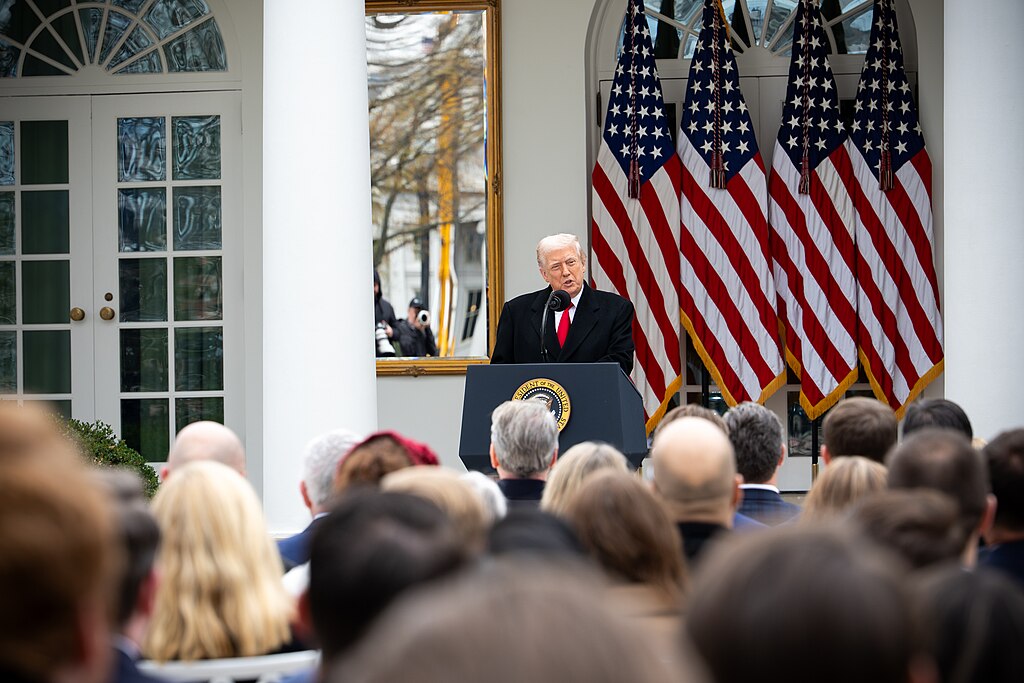
Trump means business.
The Trump administration is dramatically widening its national-security travel ban, now preparing to include more than 30 countries after the shocking murder of a young National Guard soldier in Washington, D.C. — a crime committed by an Afghan national released into the United States under the Biden administration’s troubled Operation Allies Welcome immigration program.
The move marks one of President Trump’s strongest steps yet to restore border security, national safety, and responsible immigration enforcement, issues that remain top concerns for older Americans and taxpayers nationwide.
Kristi Noem: “Why Should America Take That Risk?”
Homeland Security Secretary Kristi Noem outlined the expansion during an appearance on Fox News, reminding viewers that the June travel ban already restricted 19 high-risk nations with unstable governments and poor identity-verification systems.
“If a country can’t tell us who is coming here, if they don’t even have a functioning government, why should we allow entry into the United States?” Noem told Laura Ingraham. “Our job is to protect American citizens.”
DHS has not yet released the complete list of countries included in the new expansion, but officials stressed that the goal is to prevent violent, unvetted individuals from entering the U.S.
Countries Already Under Full Restrictions
The full restrictions applied to nations such as Iran, Somalia, Afghanistan, Sudan, Haiti, Libya, Yemen, Equatorial Guinea, Eritrea, Burma, Congo, and Chad.
Nations Under Partial Restrictions
Burundi, Cuba, Laos, Sierra Leone, Togo, Turkmenistan, and Venezuela were placed under targeted travel limits.
USCIS also issued broad holds on:
- All green card applications from these nations
- All citizenship filings from these nations
- Every pending asylum application nationwide, regardless of the applicant’s nationality
This unprecedented pause is aimed at tightening vetting standards and rebuilding the immigration system after years of dangerous loopholes.
A Deadly Wake-Up Call: Attack on U.S. Troops
The push to expand the travel ban comes after a devastating Nov. 26 assault in Washington, D.C., where two West Virginia National Guard members were ambushed while on duty.
- Specialist Sarah Beckstrom, just 20 years old, was killed.
- Staff Sgt. Andrew Wolfe, 24, remains critically injured.
Their attacker — Rahmanullah Lakanwal, an Afghan national — was brought into America during Biden’s mass-entry program for Afghan evacuees. He now faces charges including murder, assault with intent to kill, and firearms violations.
More Troubling Cases Emerge
The same week:
• Mohammad Dawood Alokozay, also from Biden’s Afghan resettlement program, was arrested in Texas after reportedly threatening a suicide attack.
• Jaan Shah Safi, another Afghan national, was detained in Virginia and accused of having supported ISIS-K, according to DHS.
These cases have intensified public demand for stronger borders, tougher vetting, and a national security policy that puts American families first.
Older Americans Back Trump’s Tough Approach
Voters age 50+ — the nation’s most reliable and politically engaged demographic — overwhelmingly rank crime, national security, and immigration as their top concerns. Many argue the Biden-era immigration failures directly contributed to preventable tragedies like the D.C. attack.
President Trump’s revived travel ban, supporters say, reflects a necessary return to:
- Law and order
- Secure borders
- Common-sense immigration limits
- Putting American safety above foreign demands
The administration has signaled that additional restrictions may follow, depending on the results of ongoing security assessments.
A New Era of Immigration Security
With terrorism concerns rising and violent crime involving unvetted migrants drawing national headlines, the expanded travel ban is expected to be one of the most significant national-security decisions of Trump’s presidency.
For many Americans — especially seniors, veterans, and lifelong taxpayers — this policy represents a long-awaited shift back to safety, sovereignty, and strong leadership.