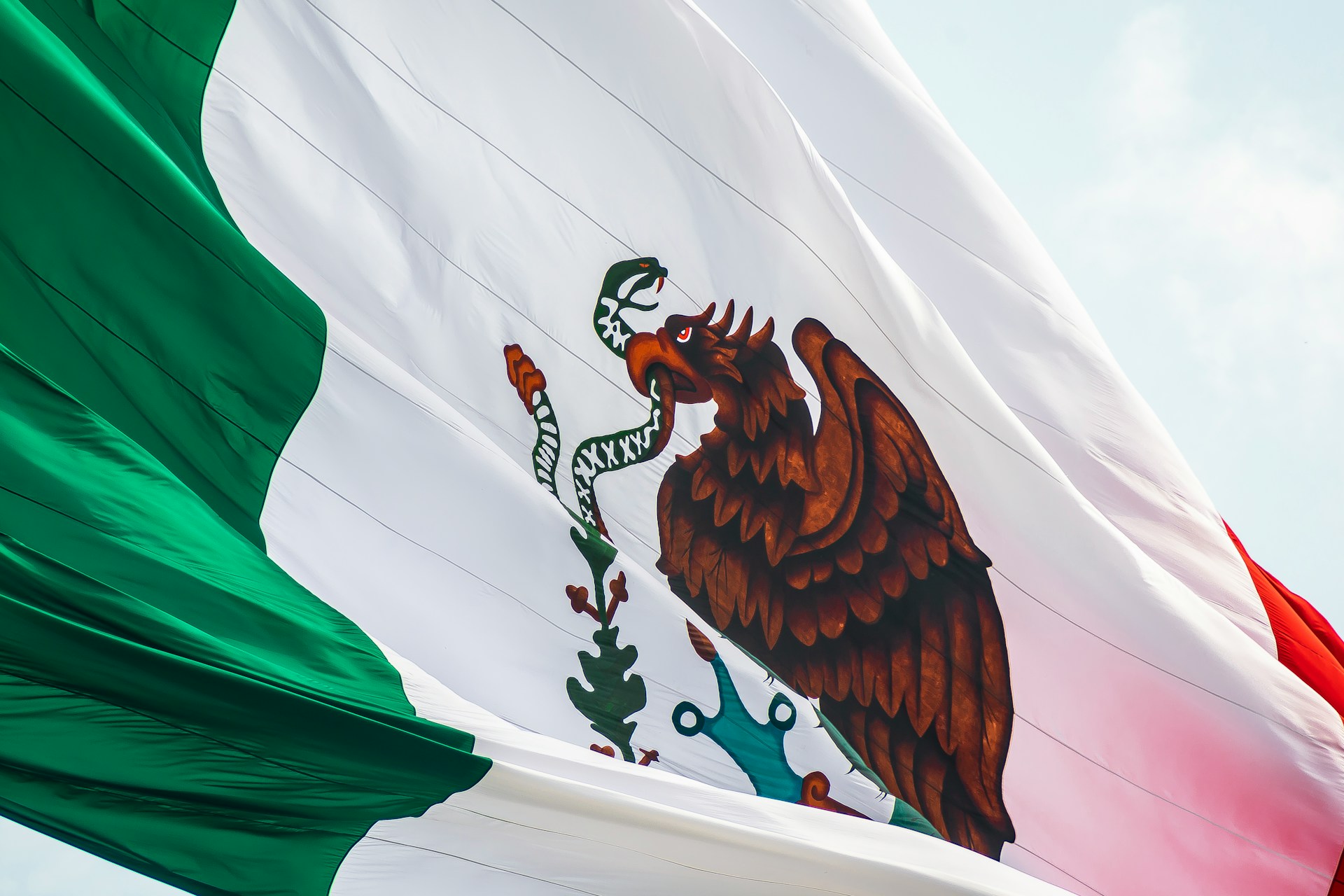
As the United States, Canada, and Mexico celebrate the launch of the 2026 FIFA World Cup, President Donald Trump is sending a very different message behind the scenes.
Instead of focusing on soccer, Trump is putting North America’s massive trade relationship under the microscope—and signaling that a major economic showdown could be just around the corner.
The president recently suggested he may not support extending the United States-Mexico-Canada Agreement (USMCA), the trade deal he negotiated during his first term to replace NAFTA.
His comments arrive at a critical moment for businesses, manufacturers, farmers, and workers across all three countries.
And with billions of dollars in trade hanging in the balance, the stakes could hardly be higher.
Trump Reopens Debate Over USMCA
During remarks on Wednesday, Trump reminded Americans why he pushed to replace NAFTA in the first place.
According to the president, the original agreement failed American workers and allowed trading partners to gain advantages at the expense of the United States.
Trump argued that while the USMCA improved the situation, the upcoming review process presents an opportunity to determine whether the agreement is still serving America’s best interests.
“I made the deal,” Trump said. “NAFTA was the worst trade deal I’ve ever seen.”
His comments immediately sparked renewed debate over the future of North American trade.
Why The 2026 Review Matters
Many Americans may not realize that the USMCA contains a unique review process.
In 2026, the United States, Canada, and Mexico must decide whether to extend the agreement for another 16 years.
If all three countries agree, the deal remains in place and businesses gain long-term certainty.
If there is no agreement, the trade pact does not disappear overnight. Instead, it enters a period of annual reviews that could continue for years before eventually expiring.
That uncertainty alone could influence future investment decisions, manufacturing plans, and supply chain strategies across North America.
Trump Focuses On Trade Deficits
A key issue for Trump remains the trade imbalance between the United States and its neighbors.
Government data shows America continues to run substantial goods trade deficits with both Canada and Mexico.
The president argues those numbers should be moving in the opposite direction.
Trump has repeatedly stated that trade agreements should produce stronger outcomes for American workers, American manufacturers, and American businesses.
That message has remained consistent throughout both of his terms in office.
For supporters, it reflects a commitment to putting U.S. economic interests first during international negotiations.
World Cup Unity Meets Economic Reality
The timing of Trump’s remarks is especially notable.
The 2026 FIFA World Cup is being promoted as a historic symbol of cooperation among the United States, Canada, and Mexico.
Millions of visitors are expected to travel across North America as the tournament unfolds.
Yet while political leaders celebrate international cooperation, major disagreements over trade policy continue to simmer beneath the surface.
The contrast highlights a reality that has defined much of Trump’s approach to foreign policy: friendly relations do not automatically mean favorable trade arrangements.
Businesses Watching Closely
The USMCA supports roughly $1.6 trillion in annual trade among the three countries.
Industries ranging from agriculture and energy to manufacturing and transportation rely heavily on the agreement.
Any changes to the trade framework could have significant implications for businesses throughout North America.
Executives, investors, exporters, and policymakers are expected to watch upcoming negotiations closely as officials begin discussing the agreement’s future.
Another U.S.-Canada Issue Takes Center Stage
At the same time, another major cross-border project continues to draw attention.
The Gordie Howe International Bridge connecting Detroit and Windsor is nearing completion after years of construction.
The bridge is expected to become one of the most important trade corridors between the United States and Canada.
However, earlier this year, Trump raised concerns about aspects of the project and suggested the United States should seek a stronger position regarding ownership and oversight.
The dispute reflects a broader theme that has become increasingly familiar throughout Trump’s presidency: challenging long-standing arrangements in pursuit of what he believes are better terms for the United States.
What Happens Next?
The next several weeks could prove pivotal for the future of North American trade.
Negotiators from the United States, Canada, and Mexico are scheduled to meet in Washington later this month, followed by additional discussions in Mexico City.
Agriculture, manufacturing, energy, transportation, and supply chain issues are all expected to be part of the talks.
Whether the result is a renewed USMCA, a major renegotiation, or a completely different trade framework remains uncertain.
What is clear is that President Trump has once again placed America’s trade relationships at the center of the conversation.
As the World Cup brings North America together on the field, tough negotiations may determine what happens off it.
For American workers, businesses, and consumers, the outcome could shape economic policy for years to come.