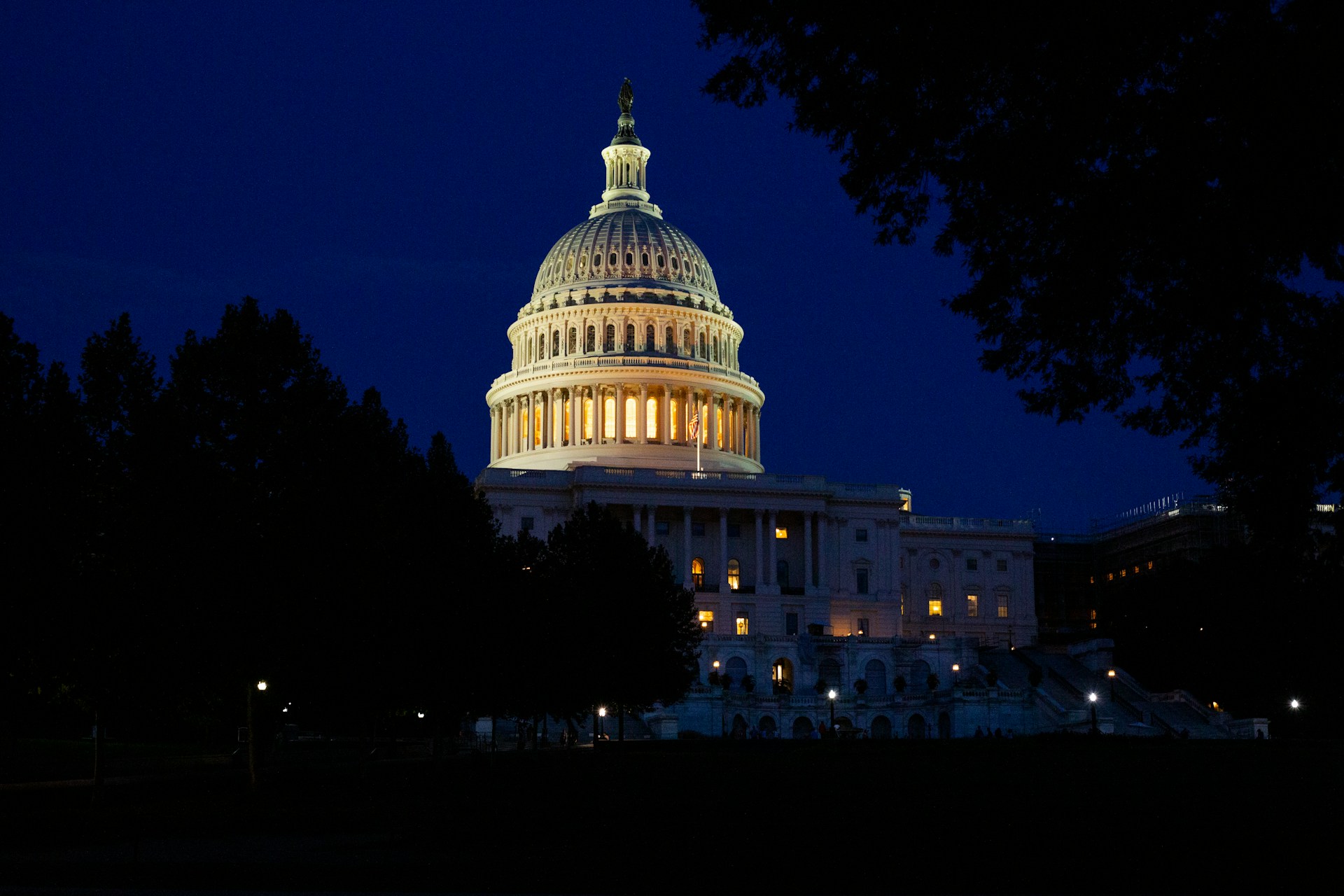
Tensions are at an all time high.
A growing number of Republican lawmakers are announcing plans to leave Congress, signaling deep frustration with Washington dysfunction and a political system many say no longer works for everyday Americans.
More than 50 members of Congress from both parties have already confirmed they will not seek reelection, creating uncertainty ahead of next year’s crucial midterm elections. The departures come at a time when voters are increasingly skeptical of career politicians and frustrated by gridlock in Washington.
For Republicans, the timing is especially concerning. The scale of the retirements is approaching levels seen in 2018—a midterm election cycle that proved disastrous for the GOP. Political observers warn that history may be repeating itself as seasoned lawmakers decide it is no longer worth the fight.
Many of those leaving cite long hours, constant travel, and time away from family. Others point directly to Congress itself, describing an institution plagued by partisan infighting, stalled legislation, and an inability to deliver meaningful results for taxpayers.
Several departing lawmakers are shifting their focus to statewide offices, including gubernatorial races, where they believe they can be more effective. Others are stepping away from public life entirely, choosing family, health, and stability over Washington chaos.
Rep. Don Bacon of Nebraska acknowledged that family considerations played a major role in his decision. Still, he also admitted that ongoing dysfunction inside Congress made the choice easier.
Serving in Washington, Bacon said, increasingly requires navigating attacks from the political left while also managing disagreements within one’s own party—an exhausting balancing act that few lawmakers can sustain long-term.
Democrats exiting Congress have voiced similar complaints. Rep. Jared Golden wrote that rising hostility and political nastiness have made governing harder and less productive than ever.
One of the most notable Republican departures is Rep. Marjorie Taylor Greene, who previously aligned closely with President Donald Trump. Greene argued that regardless of which party holds power, Washington rarely delivers real improvement for working Americans.
Meanwhile, Rep. Ralph Norman, now running for governor, said real leadership is more achievable outside Congress. With hundreds of lawmakers competing for influence, he believes governors have greater authority to enact change and protect their states’ interests.
Democrats have seized on the retirements to attack Republicans, claiming the House remains paralyzed because GOP lawmakers are reluctant to challenge Trump. Conservatives counter that Democrats ignore their own role in gridlock while benefiting from media protection and institutional bias.
Even some retiring Democrats admit Congress is weaker than ever. Rep. Bonnie Watson Coleman acknowledged that Washington increasingly serves political agendas rather than the needs of ordinary Americans.
Political experts say many lawmakers simply reach a breaking point. Michael Romano noted that frustration and limited influence drive many decisions to leave Capitol Hill.
Former Rep. Donna Edwards added that family strain and the possibility of serving in the minority often accelerate retirement decisions—especially during midterm cycles that historically punish the president’s party.
According to Ballotpedia, 30 Republicans and 23 Democrats have already announced they will not seek reelection this cycle. The numbers closely mirror the warning signs seen before the 2018 midterms.
Political analyst Charlie Hunt said many lawmakers appear unwilling to endure another bruising election season, opting instead to leave rather than fight uphill battles in an increasingly volatile political climate.
Still, not everyone is leaving Washington behind. Some House members are launching Senate campaigns, while former lawmakers are attempting comebacks, arguing that experienced leadership is needed to repair what many voters view as a broken system.
With filing deadlines approaching, more retirement announcements are expected—particularly among Republicans. For voters, especially older Americans who value stability, accountability, and results, the growing exodus underscores a troubling reality: Washington insiders are losing faith in Washington itself.