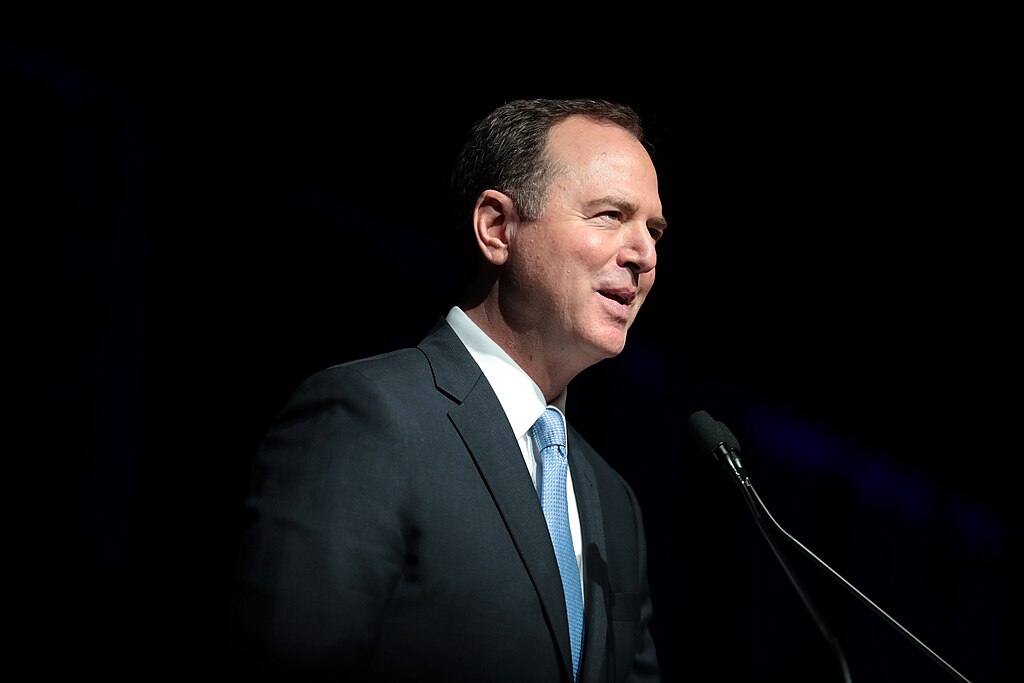
Here’s what Schiff is planning now.
As President Donald Trump prepares to deliver his first State of the Union address since returning to office, a number of Democratic lawmakers are choosing protest over participation — and Senator Adam Schiff is among them.
The California Democrat is reportedly set to skip President Trump’s upcoming State of the Union address and instead speak at an alternative political rally in Washington, D.C. The move is part of a broader effort by some Democrats to protest the president’s speech rather than attend the traditional joint session of Congress.
For many Americans, particularly older voters who value the dignity and tradition of the State of the Union, the boycott raises important questions about political decorum and respect for the office of the presidency.
Democrats Plan Alternative “People’s State of the Union” Event
Instead of attending President Trump’s address, Sen. Schiff is expected to appear at an event being promoted as the “People’s State of the Union.” The rally is scheduled to take place on the National Mall and is being organized by progressive media figures alongside liberal advocacy groups.
Several other Democratic senators are also reportedly participating, including lawmakers from Massachusetts, Oregon, Connecticut, and Minnesota. A group of House Democrats is expected to join as well.
The event is one of multiple counter-programming efforts planned for the same evening as President Trump’s Feb. 24 address to Congress.
Another gathering, titled the “State of the Swamp,” is reportedly set for the National Press Club that night, featuring a smaller group of Democratic participants.
Will Democrats Skip Trump’s Speech Entirely?
Not all Democrats appear to be united on how to respond to the president’s speech.
Some lawmakers have suggested they may attend the State of the Union while also participating in alternative events. Others have indicated they may skip the address altogether.
House Minority Leader Hakeem Jeffries told reporters that members of his caucus could attend the president’s speech in what he described as “silent defiance,” or choose to take part in other programming happening around the Capitol.
The mixed messaging reflects ongoing divisions within the Democratic Party over how aggressively to oppose President Trump during his second term.
A Look Back: Disruptions During Trump’s Previous Address
Last year’s joint session of Congress included visible protests from several Democratic lawmakers.
Some staged a walkout during President Trump’s remarks. One lawmaker interrupted the proceedings and was removed from the chamber before later facing formal censure. Other members held up signs during the speech displaying political messages.
Critics argued that such actions undermined the long-standing tradition of maintaining decorum during a State of the Union address — one of the most formal events in American government.
Supporters of the protests claimed the demonstrations were necessary political statements.
Regardless of perspective, the disruptions sparked national debate about civility, respect for institutions, and the tone of modern politics.
Calls for Dignity and Respect
Interestingly, not every Democrat supports repeating those tactics.
Sen. John Fetterman publicly cautioned against disruptive behavior during this year’s speech. In a recent television interview, he emphasized the importance of maintaining dignity, even amid strong political disagreements.
His comments suggest that some within his party may prefer a more restrained approach, particularly during an event that traditionally symbolizes national unity — even during divided times.
For many Americans over 50, who grew up watching bipartisan applause and formal respect during State of the Union addresses, the tone of recent years represents a noticeable shift.
Why the State of the Union Still Matters
The State of the Union address is more than just a political speech. It is a constitutional responsibility and a historic tradition dating back to George Washington.
Presidents from both parties have used the address to outline their legislative priorities, discuss economic conditions, highlight national security concerns, and appeal directly to the American people.
President Trump’s upcoming speech is expected to focus heavily on economic growth, border security, energy independence, and restoring American strength abroad — issues that resonate strongly with older conservative voters.
Whether lawmakers choose to attend or boycott, the address itself will likely draw millions of viewers nationwide.
Democratic Response Scheduled
Following President Trump’s remarks, Virginia Governor Abigail Spanberger is slated to deliver the official Democratic response.
The response speech traditionally allows the opposition party to present its alternative vision and policy priorities.
With political tensions high and the 2028 election cycle already beginning to take shape, both parties are using the State of the Union platform to energize supporters and frame the national debate.
What This Means Moving Forward
The decision by some Democrats to boycott President Trump’s State of the Union highlights the continued polarization in Washington.
For many Americans — especially those who value order, tradition, and institutional respect — the move may feel like another sign of deepening division.
At the same time, political protest has long been part of American democracy.
The real question is whether such tactics persuade voters — or simply reinforce existing partisan lines.
One thing is certain: President Trump’s State of the Union address will be closely watched, not only for what he says, but for how lawmakers respond.
As the nation looks ahead, many voters are asking whether Washington can return to a more respectful tone — even in times of disagreement.