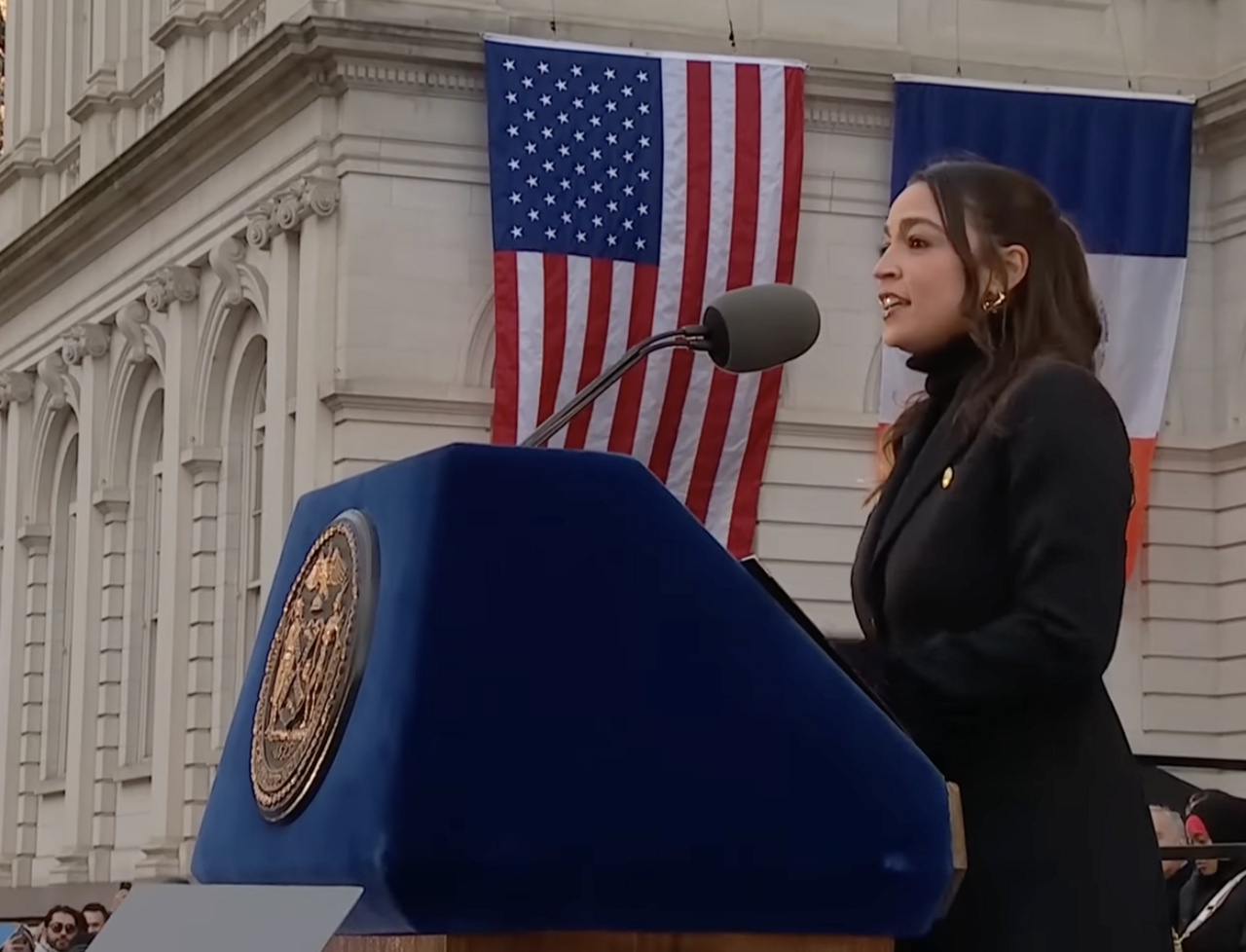
Here’s what AOC just claimed.
Rep. Alexandria Ocasio-Cortez (D-N.Y.) is once again in the spotlight after indicating she plans to oppose upcoming U.S. military assistance to Israel—including support for defensive programs such as Iron Dome—reflecting a significant shift from her previous position.
The policy shift comes amid growing pressure from progressive activists and highlights a broader divide within the Democratic Party over America’s role in supporting long-time allies.
From Limited Support to Full Opposition
In the past, Ocasio-Cortez supported funding for Israel’s Iron Dome missile defense system, which is widely credited with saving civilian lives by intercepting incoming rocket attacks.
Now, she argues that Israel has the financial resources to fund its own defense systems and that U.S. aid should be reconsidered under existing legal standards.
In a recent statement, she emphasized that American taxpayer dollars should align with U.S. law, referencing policies such as the Leahy Amendment and the Foreign Assistance Act, which regulate foreign aid.
Pressure From Within Her Own Party
The change follows increasing criticism from progressive commentators and activist groups who have pushed for a complete halt to U.S. assistance to Israel.
Ocasio-Cortez reportedly shared her updated position during a virtual event tied to the Democratic Socialists of America (DSA), a group that has long advocated for ending military aid to Israel.
Her earlier support for defensive funding had already sparked backlash from some on the left, putting her in a difficult political position between party factions.
Why This Debate Matters
Israel has been one of America’s closest allies for decades, with bipartisan support for defensive cooperation—especially systems designed to protect civilians.
Supporters of continued aid argue that programs like Iron Dome are purely defensive and play a critical role in regional stability.
Critics, however, say U.S. foreign aid should be more closely scrutinized and aligned with evolving international standards.
A Broader Shift Inside the Democratic Party
Ocasio-Cortez’s position reflects a larger trend within parts of the Democratic Party, where views on Israel have been changing in recent years.
This internal debate is expected to remain a key issue heading into future elections, particularly as foreign policy becomes a growing concern for voters.
What It Means Going Forward
The congresswoman’s shift could have ripple effects in Washington, especially as lawmakers debate future foreign aid packages and defense spending priorities.
It also comes at a time when Ocasio-Cortez is increasingly being discussed as a potential candidate for higher office, making her foreign policy positions more significant on the national stage.
Bottom Line
Ocasio-Cortez’s evolving stance on Israel aid underscores a deeper divide in U.S. politics over foreign policy, alliances, and the use of taxpayer dollars.
For many Americans, the debate raises an important question: What role should the United States play in supporting its allies in an increasingly unstable world?