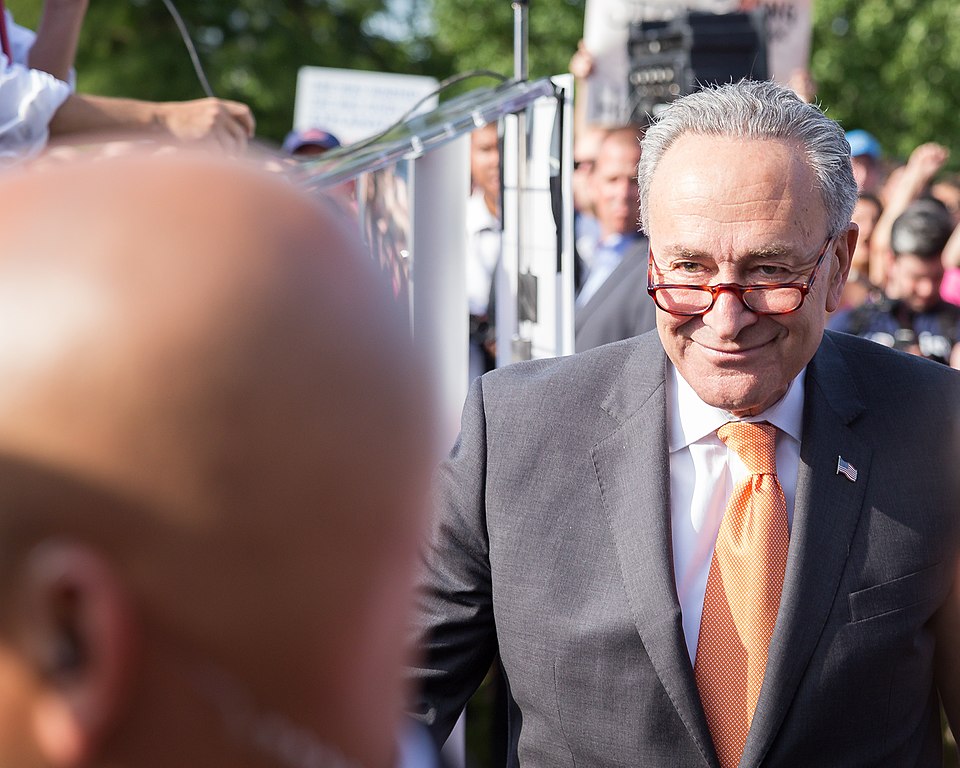
A major showdown is brewing in Washington as Senate Minority Leader Chuck Schumer launches an aggressive campaign to block one of President Donald Trump’s most controversial initiatives.
The battle centers on a nearly $1.8 billion compensation fund backed by the Trump administration and supported by the Department of Justice. Supporters say the program is designed to help Americans who were harmed by politically motivated investigations and government abuse. Democrats, however, are calling it a “MAGA slush fund” and are determined to stop it.
The growing dispute is quickly becoming one of the biggest political fights between congressional Democrats and the Trump administration.
Democrats Move To Block Trump’s Fund
On Monday, Schumer announced a coordinated effort to prevent any money from being distributed through the Anti-Weaponization Fund.
In a letter to fellow Senate Democrats, Schumer vowed to use every legislative tool available to derail the program. That includes budget negotiations, oversight hearings, reconciliation amendments, and floor votes.
Schumer made it clear that Democrats intend to fight the initiative at every step.
The move signals a major escalation in the ongoing battle over claims that federal agencies were used to target political opponents during recent years.
Why The Fund Was Created
The Anti-Weaponization Fund was established through a legal settlement connected to Trump’s lawsuit against the IRS and Treasury Department after his confidential tax information was leaked.
Under the agreement, approximately $1.776 billion would be set aside to compensate individuals who can demonstrate they suffered financial or personal harm from politically motivated government actions.
According to supporters, the goal is simple: provide relief to Americans who faced devastating consequences after becoming targets of government investigations that they believe were driven by politics rather than justice.
Trump Defends The Program
President Trump has strongly defended the initiative, arguing that many Americans were left financially ruined after years of government overreach.
Trump has said some individuals spent enormous amounts on legal fees, lost businesses, suffered bankruptcies, and watched their lives unravel while defending themselves against investigations.
Supporters believe the fund is about restoring fairness and accountability within the federal government.
Many conservatives view the program as a direct response to what they see as years of weaponized government agencies targeting political opponents and ordinary citizens.
Republicans Face Pressure
The controversy arrives as Senate Republicans work to advance a broader legislative package focused on border security, immigration enforcement, and other key Trump priorities.
While many Republicans support the compensation fund, some lawmakers have raised questions about oversight and how claims would be reviewed.
As a result, discussions continue about possible safeguards that could increase transparency while preserving the program’s original purpose.
Democrats Introduce New Legislation
Democrats are also pursuing a separate strategy.
Several Democratic senators have introduced legislation known as the “Drain the Slush Fund Act,” which would eliminate the program entirely.
Supporters of the bill argue that taxpayer dollars should not be used for the initiative. Republicans counter that the fund is intended to compensate Americans who suffered real harm from government misconduct.
The disagreement highlights the deep divide between the two parties over accountability within federal agencies.
Courts Also Enter The Fight
The political battle is now being matched by a legal one.
A federal judge recently issued a temporary order delaying implementation of the fund, while additional questions surrounding the settlement continue to be reviewed in court.
Despite those challenges, the Department of Justice has maintained that the settlement is lawful and supported by legal precedent.
The administration remains confident that the fund can withstand both legal and political scrutiny.
Why This Matters
The fight over the Anti-Weaponization Fund goes far beyond a single government program.
At its core, the debate centers on whether Americans who believe they were unfairly targeted by government agencies deserve compensation and whether Washington should be held accountable when federal power is abused.
With billions of dollars, multiple court battles, and a growing political war now involved, this issue is likely to remain a major flashpoint for months to come.
As Democrats intensify their efforts and the Trump administration digs in, the outcome could have lasting implications for government accountability, taxpayer protections, and the future relationship between citizens and federal agencies.