Here’s the problem President Trump has to deal with now.
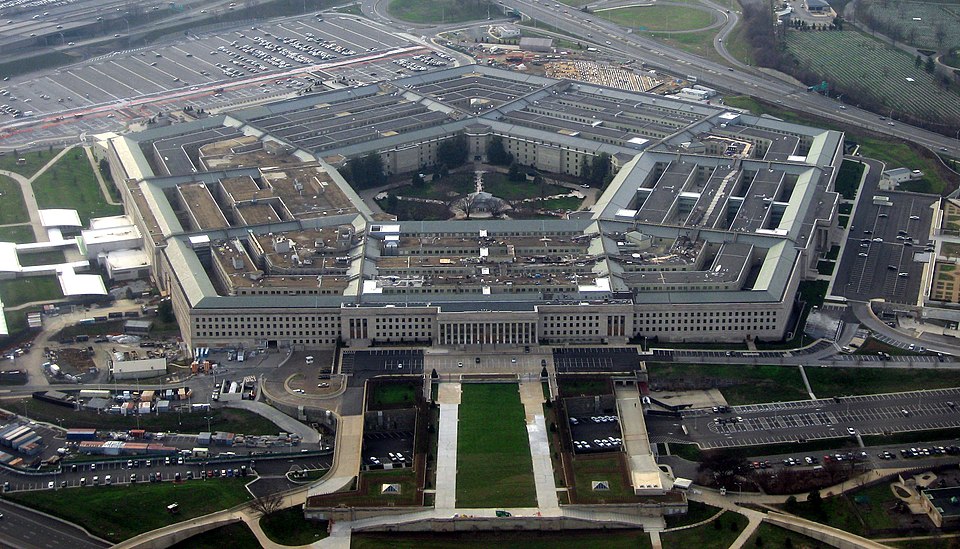
The Pentagon is facing growing financial pressure as defense officials warn that current funding levels may not be enough to support ongoing military operations in the weeks ahead. The budget concerns have added urgency to the Trump administration’s request for additional defense funding from Congress as U.S. military operations against Iran continue.
According to reports, the Defense Department has already begun limiting certain maintenance and training activities in an effort to conserve resources. While these measures are intended to stretch existing funds, military leaders say both maintenance and training are essential for keeping America’s armed forces prepared for future missions.
Chief Pentagon Spokesman Sean Parnell said Defense Secretary Pete Hegseth remains committed to ensuring the U.S. military stays ready for any challenge.
“Secretary Hegseth has prioritized the needs of our military and our warfighters unlike any of his predecessors,” Parnell said. “He will do whatever is necessary to protect their quality of life and ensure our military remains the most dominant force in the world. Funding our military is not optional—it is essential.”
The funding debate comes as Republican lawmakers work on what has been dubbed the “Reconciliation 3.0” package. The proposal would provide approximately $73 billion in additional defense and intelligence funding—well below the roughly $200 billion defense officials reportedly discussed earlier this year but still representing a significant investment in national security.
The House is expected to vote on a budget framework that would allow the Senate to move forward with the legislation. However, lawmakers are also preparing for a five-week recess, meaning final approval of any supplemental defense package could be delayed until both chambers return to Washington later this year.
That timeline has raised concerns among Pentagon officials, who say military operations continue regardless of Congress’s schedule.
Rep. Pat Harrigan (R-N.C.), a member of the House Armed Services Committee, urged lawmakers to act quickly.
“Everybody needs to look at this situation and get rid of the complacency that they have,” Harrigan said.
Chairman of the Joint Chiefs of Staff Gen. Dan Caine along with Defense Secretary Pete Hegseth are expected to press lawmakers for additional funding during testimony before the Senate Appropriations Committee, arguing that maintaining military readiness requires timely action from Congress.
The budget debate comes as fighting between the United States and Iran has intensified.
President Donald Trump initially authorized military strikes against Iranian targets as part of Operation Epic Fury before agreeing to a cease-fire with the Islamic Republic. That cease-fire has since collapsed, leading to renewed military operations.
In recent days, U.S. forces have carried out additional strikes aimed at reducing Iran’s ability to threaten the Strait of Hormuz, one of the world’s most strategically important shipping lanes and a critical route for global energy supplies.
Iran has also launched attacks against American military installations and assets throughout the region. Reports indicate that at least three U.S. service members were killed over the weekend, underscoring the growing costs and risks of the ongoing conflict.
Military operations require continuous funding for fuel, equipment, maintenance, logistics, intelligence gathering, ammunition, and troop support. When supplemental funding is delayed, Pentagon officials often shift money between existing accounts to keep operations moving while awaiting congressional approval.
According to reports, funding allocated for Navy and Air Force operations in the Middle East could become strained before the end of the month if additional appropriations are not approved.
To help cover immediate operational needs, the Pentagon has reportedly requested authority to transfer roughly $4.3 billion from weapons procurement and training programs into higher-priority operational accounts.
The funding challenges also come as the Trump administration works to rebuild America’s stockpile of critical weapons and munitions following months of increased military activity.
President Trump has proposed a defense budget totaling approximately $1.5 trillion, which would significantly increase overall military spending. That proposal comes on top of the $150 billion defense increase already included in the One Big Beautiful Bill Act, though securing additional funding continues to face debate on Capitol Hill.
Supporters of the proposal argue that increased defense spending is necessary to maintain military readiness, strengthen national security, and ensure American forces have the resources needed to respond to growing global threats. Critics, meanwhile, continue to question the overall level of federal spending and the size of future defense budgets.
With military operations continuing overseas and Congress facing a packed legislative calendar, lawmakers will soon have to decide whether to provide additional funding or risk placing greater strain on Pentagon resources. The outcome could shape both America’s military readiness and President Trump’s broader national security agenda in the months ahead.