Trump just won a major fight.
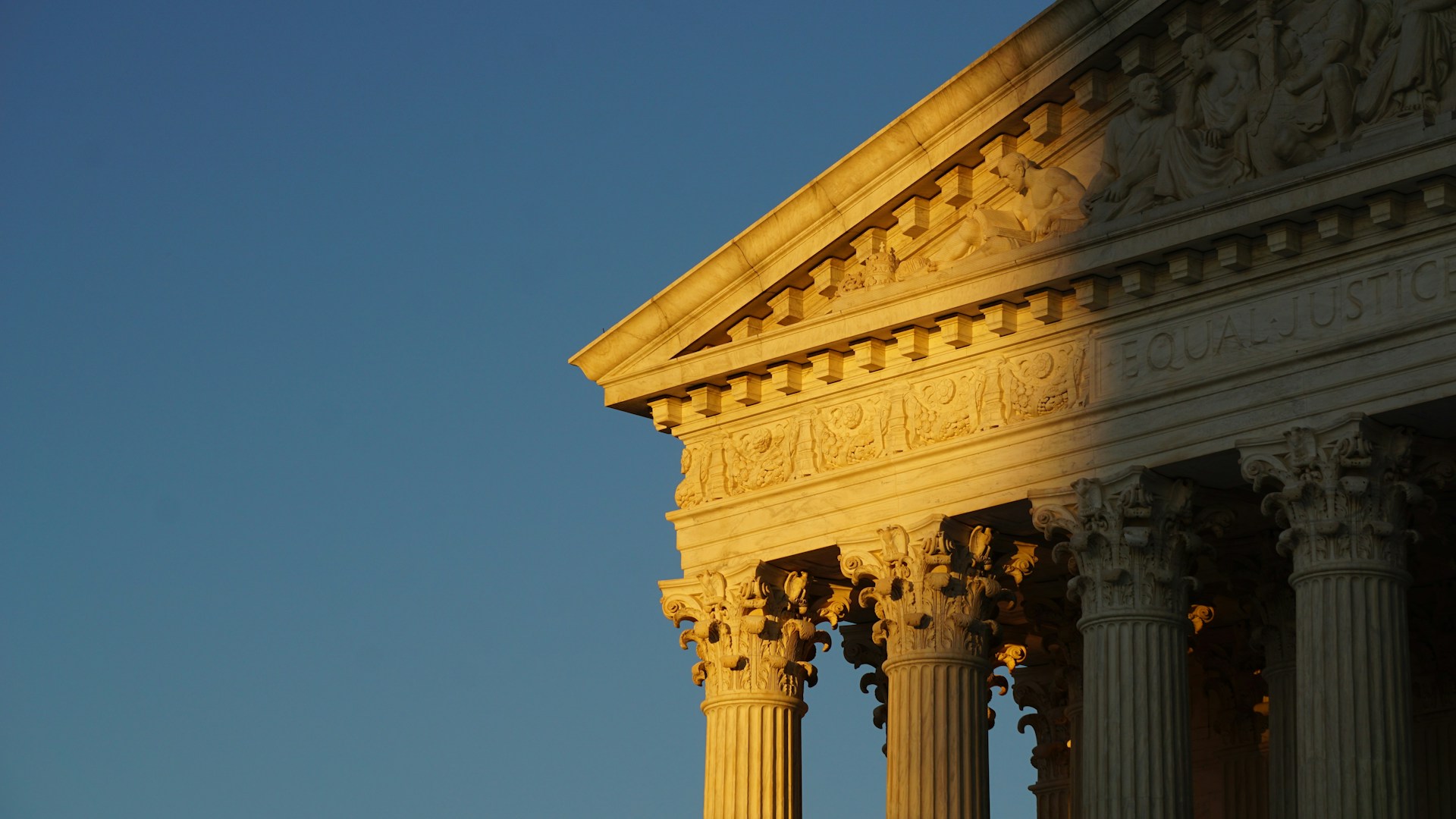
The Supreme Court handed the Trump administration a significant legal victory Friday, temporarily allowing an expanded federal voter-verification system to remain available to states as the 2026 midterm elections approach.
The decision concerns the Department of Homeland Security’s Systematic Alien Verification for Entitlements program, better known as SAVE.
The system allows government agencies to check federal records involving citizenship and immigration status. Under changes made by the Trump administration, states can voluntarily use the database as another tool to verify whether people appearing on voter-registration lists are eligible to vote.
The Supreme Court’s action does not settle the case permanently. Instead, the justices temporarily blocked a lower-court ruling that had prevented the administration from using the expanded system while the legal battle continues.
Supreme Court Allows SAVE System to Continue
The dispute centers on whether the Trump administration lawfully expanded the federal government’s ability to provide citizenship information to state election officials.
Supporters of the administration’s approach argue that states should have access to reliable federal records when checking voter eligibility.
They say accurate voter rolls are a basic part of election administration and that government agencies should be able to share information that could help identify potentially ineligible registrations.
Critics, however, argue that expanded use of federal databases could create privacy concerns or mistakenly flag lawful voters whose government records are incomplete or outdated.
The Supreme Court did not resolve those broader legal arguments in Friday’s order.
Instead, the Court allowed the expanded SAVE system to remain in operation while litigation continues.
What SAVE Does
SAVE was created decades ago to help federal, state and local government agencies verify citizenship and immigration information.
Historically, the program was commonly used when determining eligibility for certain public benefits.
The Trump administration significantly expanded the system’s capabilities, making it easier for states to compare voter-registration information with federal citizenship records.
Administration officials have argued that the changes give election officials access to information already held by the federal government.
The administration has also maintained that states should not be forced to operate voter-registration systems without access to federal records that could help verify citizenship.
Impact on the Midterms Could Be Limited
Although the ruling gives the Trump administration an immediate legal victory, its effect on the upcoming midterm elections may be limited.
Federal law generally restricts states from conducting systematic voter-roll removals during the 90-day period immediately before a federal election.
That restriction is designed to prevent large last-minute changes to registration lists that could interfere with eligible voters.
As a result, states using SAVE may face legal limits on what actions they can take shortly before Election Day.
Participation in SAVE is also voluntary.
The Supreme Court’s ruling does not require every state to use the system, nor does it automatically remove anyone from a voter-registration list.
Lower Court Had Blocked Trump Administration Changes
The case reached the Supreme Court after a federal district judge blocked the administration’s expanded version of SAVE.
The lower court raised concerns about privacy and the possibility that eligible voters could be improperly flagged.
Opponents of the system have argued that government databases are not always updated immediately, particularly when naturalized citizens or other individuals experience changes in their records.
They warn that incorrect information could create additional hurdles for lawful voters.
The administration appealed after a federal appeals court declined to suspend the lower-court ruling.
The Supreme Court then stepped in and granted the administration temporary relief.
Three Justices Dissent
Justice Ketanji Brown Jackson opposed the Court’s decision.
She was joined by Justices Elena Kagan and Sonia Sotomayor.
Jackson argued that the danger of burdening or disenfranchising lawful voters outweighed any harm the federal government would experience by temporarily being prevented from using the expanded system.
She also questioned the administration’s chances of ultimately winning the legal dispute.
The Court’s majority nevertheless allowed the system to remain available while the case moves forward.
Supporters Call It an Election Integrity Victory
Election-integrity advocates supporting the SAVE expansion welcomed the ruling.
Their argument is straightforward: state election officials should have access to federal citizenship information when determining whether voter rolls contain people who are legally eligible to participate.
Supporters also emphasize that SAVE does not automatically delete voters from registration lists.
When the system cannot confirm citizenship, additional steps may be required before officials can determine whether a registration should be challenged or removed.
Advocates say those procedures provide safeguards while still giving states another way to maintain accurate voter records.
Critics Warn About Wrongful Challenges
Voting-rights groups and other opponents remain concerned about the possibility of errors.
They argue that a database match or citizenship question should not automatically be treated as proof that someone is ineligible to vote.
Government databases can contain outdated information, spelling differences, incomplete records or other discrepancies.
Critics therefore argue that election officials must use caution when relying on automated systems to evaluate voter eligibility.
The dispute highlights a broader debate surrounding election administration.
One side emphasizes preventing noncitizens or other ineligible individuals from appearing on voter rolls.
The other emphasizes protecting lawful voters from being incorrectly challenged or removed.
The Legal Fight Is Not Over
Friday’s Supreme Court order is temporary.
The underlying case will continue through the federal court system, and the U.S. Court of Appeals for the D.C. Circuit could ultimately rule against the administration.
If that happens, the dispute could eventually return to the Supreme Court.
For now, however, the Trump administration has won permission to keep the expanded SAVE program available to states.
That makes the ruling an important development in the continuing national debate over voter eligibility, citizenship verification and election integrity ahead of the 2026 midterms.
What Happens Next
The next major development will come as the appeals court considers the legality of the administration’s changes.
States choosing to use SAVE will also have to comply with existing federal election laws, including restrictions governing voter-roll maintenance close to Election Day.
The Supreme Court therefore has not determined who will win the midterms or how individual races will be affected.
What it has done is give the Trump administration a significant temporary victory in its effort to expand federal citizenship verification tools available to state election officials.
With control of Congress at stake in November, voter-registration rules and election administration are likely to remain closely watched issues throughout the final weeks of the campaign.