Here’s what was shockingly said.
President Donald Trump is facing unexpected criticism from within his own party after one of the Senate’s most powerful Republicans appeared on Fox News and suggested the president’s administration played a major role in the GOP’s devastating midterm election losses.
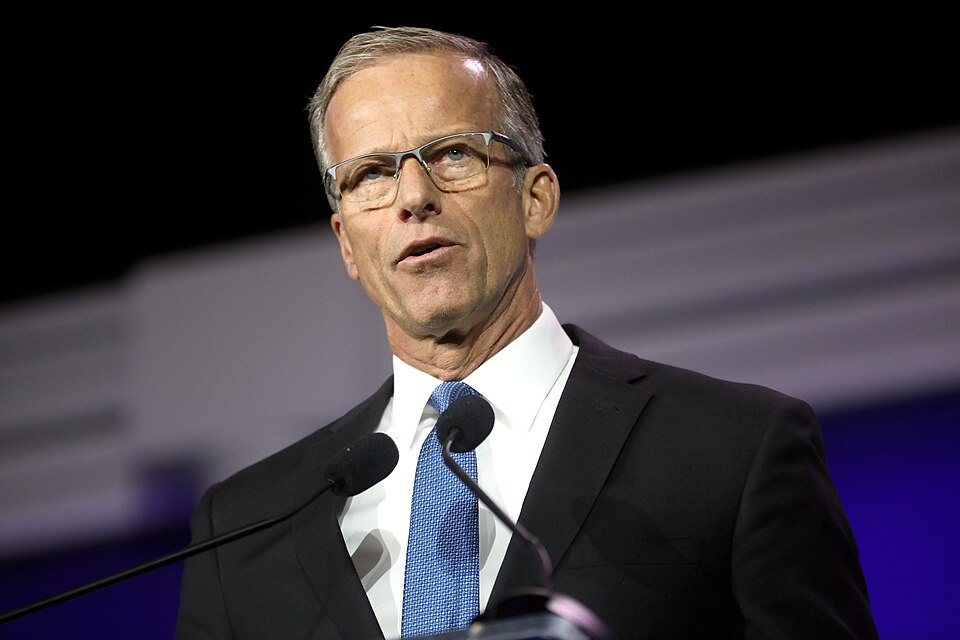
Senate Majority Leader John Thune, a South Dakota Republican, delivered a pointed assessment of the November 2026 elections during a Wednesday interview, raising fresh questions about Republican leadership and the party’s political future.
While Thune did not directly insult Trump or mention him by name in his criticism, his comments appeared to challenge the president’s explanation for why Republicans suffered major defeats.
The disagreement comes as the GOP prepares to surrender control of both chambers of Congress to Democrats.
Top Republican Breaks With Trump’s Election Explanation
During an appearance on Fox News’ America Reports, Thune was questioned by anchor John Roberts about the Republican Party’s disappointing election performance.
Roberts wanted to know how Republicans planned to recover after losing their congressional majorities and what the party could do differently before the 2028 elections.
Thune’s response focused on several issues that dominated the midterm campaigns, including the economy, inflation, gasoline prices, and the ongoing war.
Rather than placing responsibility primarily on individual Republican candidates, Thune suggested that broader national circumstances had contributed significantly to the party’s losses.
According to the senator, many of the problems influencing voters were largely outside the control of candidates running for Congress.
That assessment stood in contrast to Trump’s argument that certain Republican candidates failed to inspire his supporters.
The remarks quickly raised questions about whether senior Republicans are beginning to publicly challenge the president’s political strategy following the election setback.
Thune Warns Republicans About Economic Concerns
One of the most significant moments of the interview came when Thune discussed the financial challenges facing American households.
The Republican leader acknowledged that voters were deeply concerned about inflation, the cost of living, and gasoline prices.
These issues became central to the midterm elections as Americans evaluated their financial situations and the direction of the country.
For retirees and families living on fixed incomes, rising expenses can create particularly difficult choices.
Higher grocery prices, transportation costs, utility bills, and other household expenses can place additional pressure on monthly budgets.
Thune suggested Republicans must do a better job addressing those concerns if they hope to regain voters’ confidence.
He also acknowledged that GOP candidates struggled badly with independent voters in several important Senate contests.
According to Thune, Republicans lost independent voters by approximately 30 percentage points in key races.
That significant disadvantage revealed a major weakness in the party’s electoral strategy.
Although Republicans continue to enjoy strong support among many conservative voters, attracting independents remains essential to winning competitive elections.
Trump Blames Republican Candidates For Election Losses
President Trump has offered a different interpretation of the GOP’s poor midterm performance.
During Fox News’ election-night coverage, Trump argued that some Republican candidates failed to motivate the voters who support his political movement.
The president suggested that certain candidates he endorsed did not fully embrace his leadership, contributing to disappointing turnout.
Trump maintained that Republican candidates needed to do more to inspire the party’s base and encourage supporters to participate in the elections.
His explanation placed substantial responsibility on the candidates themselves rather than broader problems affecting the country.
Thune’s comments, however, suggested that individual campaign decisions could not fully explain the Republican defeats.
The difference between the two assessments highlights a growing debate within the GOP over how to rebuild after losing control of Congress.
Some Republicans believe the party must strengthen its relationship with Trump’s supporters and improve voter turnout.
Others argue that economic concerns and dissatisfaction among independent voters deserve greater attention.
Both challenges could influence Republican campaigns heading into the next election cycle.
Democrats Gain Control Of Congress
The November 3 midterm elections delivered a major political setback for Republicans.
Democrats secured control of both the House of Representatives and the Senate, dramatically changing the balance of power in Washington.
The outcome means Republicans will face a much more difficult political environment during the final two years of Trump’s presidency.
Democratic control of Congress could complicate the president’s efforts to advance his legislative priorities, particularly on economic policy, immigration, federal spending, and other major issues.
Republicans will also face increased pressure to defend their record and explain how they intend to address the concerns that contributed to their election losses.
For conservative voters, the results raise important questions about the GOP’s ability to protect its policy priorities while operating without congressional majorities.
The party’s immediate challenge will involve maintaining unity while developing a strategy for future elections.
Republican Party Faces Another Difficult Senate Election
The political challenges confronting the GOP may extend well beyond the current election cycle.
During the Fox News interview, Roberts noted that Republicans are expected to defend 19 of the 35 Senate seats scheduled for election in 2028.
Democrats, meanwhile, are expected to defend 16 seats.
That electoral map could create additional difficulties for Republicans seeking to regain control of the chamber.
Ohio Republican Sen. Bernie Moreno has already expressed serious concerns about the party’s prospects, describing the upcoming Senate landscape in particularly harsh terms.
Republican leaders must now determine how to compete successfully in an environment where economic concerns and independent voters could again play decisive roles.
The party will also have to decide whether its campaign messaging should focus primarily on Trump’s political agenda or place greater emphasis on the everyday financial concerns facing American families.
Is The Republican Party Divided Over Trump?
Thune’s comments are especially significant because of his leadership position in the Senate.
As the chamber’s top Republican, his public assessment carries considerable influence among lawmakers, donors, and campaign strategists.
However, his remarks should not necessarily be viewed as a personal attack on Trump.
Thune did not call for Republicans to abandon the president or reject his policies.
Instead, he argued that the party must recognize the national issues that influenced voters and develop a more effective economic message.
The distinction matters because Republicans remain closely divided over how to interpret their recent losses.
Some party members believe the GOP should remain firmly united behind Trump’s leadership.
Others believe Republicans must reconsider their campaign strategies to improve their standing with independent voters.
The disagreement could become increasingly important as the party prepares for the next presidential and congressional elections.
What Comes Next For Trump And Republicans?
The political fallout from the midterm elections has created a critical moment for the Republican Party.
With Democrats preparing to control Congress, GOP leaders must decide how to respond to voters who expressed frustration over economic conditions and national priorities.
Thune’s Fox News remarks indicate that at least some senior Republicans believe the party’s problems cannot be explained simply by weak candidates or insufficient campaign enthusiasm.
For Americans concerned about inflation, retirement security, gasoline prices, and the cost of everyday essentials, the debate raises an even larger question.
Will Republicans focus on addressing the financial pressures affecting ordinary households, or will disagreements over the election results continue to dominate the party’s attention?
Trump remains a central figure in Republican politics, and his relationship with congressional leaders will be crucial as the party attempts to recover.
Whether Trump and Thune can agree on a path forward could have major consequences for the GOP’s future and its chances of winning back Congress in 2028.