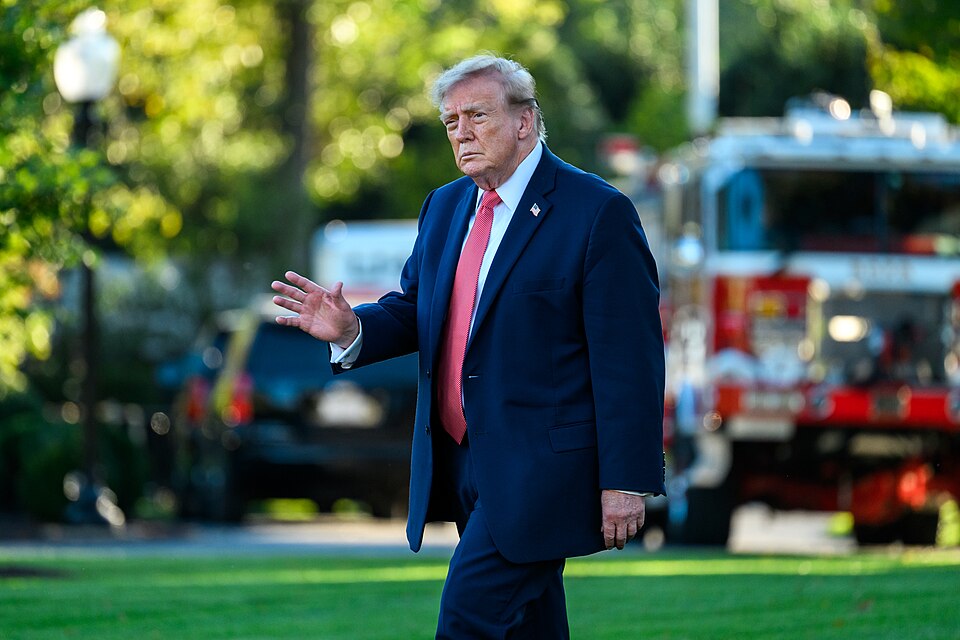
Trump Responds To GOP Loses
President Donald Trump is speaking out after Republicans suffered major setbacks in the 2026 midterm elections, offering an explanation for the disappointing results while making it clear that he believes his personal popularity remains an important factor in American politics.
As Democrats celebrated significant victories across the country Tuesday night, Trump argued that the outcome might have been dramatically different if his own name had appeared on the ballot.
The president’s response came as Republicans faced difficult losses in several closely watched contests, raising new questions about the party’s political strategy and the future of Trump’s agenda in Washington.
Trump Points To His Absence From The Ballot
Following the election results, Trump took to Truth Social to address the Republican Party’s performance.
The president maintained that Republicans could have achieved a much stronger showing if he had personally been running for office, suggesting that his ability to motivate supporters remains a major political advantage.
Trump claimed the GOP would have won “in a landslide” had he been on the ballot.
His comments reflected a challenge Republicans have confronted in previous elections: translating enthusiasm for Trump into votes for other Republican candidates.
Throughout the campaign, the president encouraged Americans to support GOP candidates and emphasized the importance of maintaining Republican control of Congress.
However, Tuesday’s results indicated that the party struggled to reproduce the coalition that helped return Trump to the White House in 2024.
Republicans Suffer Significant Election Setbacks
The November 3 elections delivered several major victories for Democrats, including unexpected successes in states traditionally considered favorable territory for Republicans.
Democrats captured Republican-held Senate seats in Texas, South Carolina, Ohio, and other states, dealing a serious blow to the GOP’s hopes of maintaining its congressional majorities.
In Texas, Democrat James Talarico defeated Republican Ken Paxton in a closely watched Senate contest. Paxton had received Trump’s endorsement and was considered an important candidate for the president’s political movement.
Republicans also encountered difficulties in gubernatorial and congressional contests, further complicating the party’s outlook.
The results represented a significant reversal for Republicans, who entered the election hoping to preserve enough support to continue advancing Trump’s legislative priorities.
Economic Concerns Play Major Role
One of the biggest challenges confronting Republicans was growing voter frustration over the economy.
Despite the administration’s emphasis on its economic accomplishments, many Americans continued expressing concerns about household expenses, energy prices, and their overall financial security.
These concerns became particularly important in competitive states where relatively small changes in voter sentiment can determine election outcomes.
Exit polling indicated that a substantial share of voters remained dissatisfied with the country’s direction and wanted greater congressional oversight of the president.
For Republicans, those findings could prompt a renewed discussion about how effectively the party communicates its economic policies and addresses the financial pressures facing American families.
The results also demonstrated that voter concerns about everyday expenses can outweigh party loyalty, even in areas where Republican candidates have historically performed well.
Trump Signals He Is Prepared For Political Battles Ahead
Despite the disappointing election results, Trump has indicated that he intends to continue pursuing his administration’s priorities.
During an Election Day interview with CBS News, the president discussed the possibility of Democrats gaining control of Congress and emphasized his willingness to use presidential veto authority.
That power could become increasingly important if Democratic lawmakers attempt to advance legislation opposed by the White House.
Trump also indicated that he was willing to accept the election results, even as he criticized the Republican Party’s performance.
The potential shift in congressional power could create additional obstacles for the administration, including tougher negotiations over federal spending, increased oversight, and greater resistance to major legislative proposals.
Nevertheless, the president retains significant executive authority and could continue pursuing portions of his agenda through administrative actions.
What’s Next For The Republican Party?
The election results are likely to trigger serious discussions among Republican leaders about the direction of the party heading toward the 2028 presidential election.
Some Republicans may argue that the GOP must do more to energize Trump’s supporters when he is not personally competing for office.
Others could push for a stronger emphasis on economic issues, candidate recruitment, and appealing to independent voters who played an important role in Tuesday’s outcomes.
The results also raise questions about how Republican candidates can establish their own political identities while maintaining support from the president’s loyal base.
For Trump, the immediate challenge will be navigating a more difficult political environment while continuing to promote the policies that helped define his presidency.
Although Democrats emerged from Election Day with significant gains, the president’s response suggests that he is not abandoning his political message or his confidence in the influence he maintains within the Republican Party.
With control of Washington shifting and another presidential election approaching in 2028, the consequences of Tuesday’s results could extend well beyond a single election cycle.