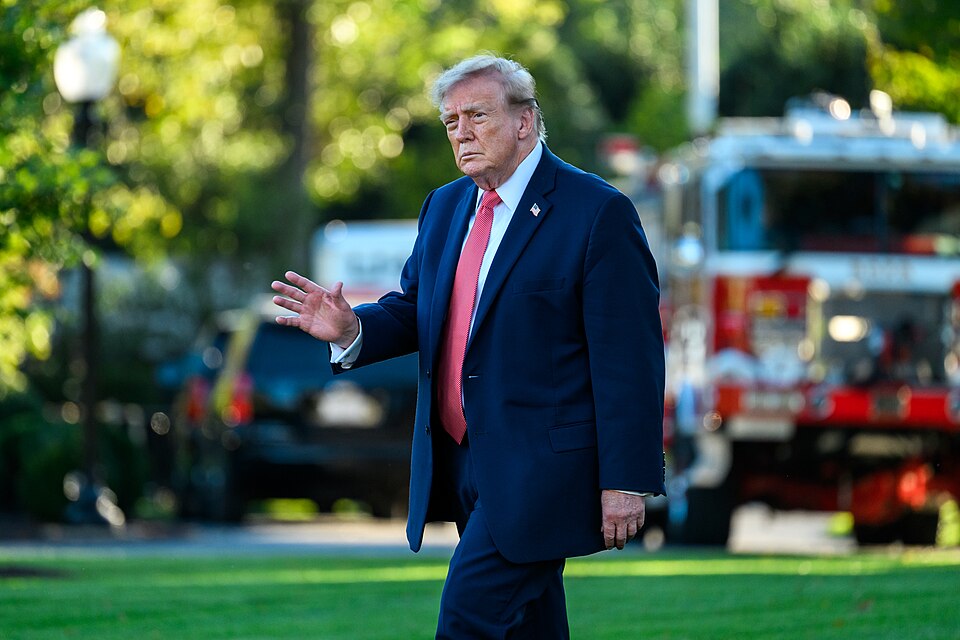
Republicans need to unify with Trump.
President Donald Trump is facing a growing political challenge as several Republican lawmakers break ranks with his administration and join Democrats in questioning America’s ongoing military involvement in Iran.
The unexpected bipartisan opposition comes as Democrats prepare to take control of Congress following the November midterm elections, potentially setting the stage for a major confrontation over presidential authority, military spending, and the future of American foreign policy.
At the heart of the dispute is whether Congress should use its constitutional powers to restrict Trump’s ability to continue military operations in Iran.
With billions of taxpayer dollars involved and questions mounting about the direction of the conflict, the disagreement is creating new divisions in Washington.
Republicans Join Democrats In Challenging Trump
While most congressional Republicans continue supporting Trump’s national security agenda, several prominent GOP senators have demonstrated a willingness to challenge the administration over Iran.
Republican Sens. Susan Collins of Maine, Lisa Murkowski of Alaska, Rand Paul of Kentucky, and Thom Tillis of North Carolina have previously sided with Democrats on legislation seeking to limit military action without congressional authorization.
Their willingness to cross party lines has given Democrats additional momentum as they pursue measures intended to bring the conflict to an end.
However, the Republican lawmakers have not necessarily endorsed every Democratic proposal, and their individual positions on military spending and presidential authority differ.
The disagreement highlights a longstanding debate within the Republican Party over America’s role in overseas conflicts.
Some Republicans believe the president must retain considerable flexibility to respond to international threats. Others argue that extended military operations require stronger congressional oversight.
For Trump, the growing division presents another challenge as his administration attempts to defend its strategy.
Democrats Target Trump’s Military Spending
Congressional Democrats are increasingly focused on one of their most powerful tools: control over federal spending.
Lawmakers opposed to the conflict are considering whether restrictions on military funding could force the administration to reconsider its approach.
Senate Democratic Leader Chuck Schumer has emphasized Congress’s responsibility to address the war, while other lawmakers have called for greater scrutiny of the administration’s military objectives.
Rep. Ro Khanna, a California Democrat, has supported efforts to prevent federal funds from being used to continue certain combat operations in Iran.
These proposals could become particularly important as Congress approaches its next government funding deadline.
Under the Constitution, Congress possesses substantial authority over federal appropriations, giving lawmakers considerable influence over how taxpayer money is spent.
However, restricting an ongoing military operation is legally and politically complicated.
Any binding legislation would need to pass Congress and survive a potential presidential veto.
That means Democrats would likely need additional Republican support to impose significant restrictions on Trump’s Iran strategy.
War Costs Raise New Questions About Taxpayer Spending
The financial burden of the Iran conflict has become another major issue in Washington.
The administration has sought substantial additional funding to support military operations, prompting questions about the long-term cost of American involvement.
As the conflict continues, lawmakers are examining whether existing military resources are sufficient and how much additional spending Congress should authorize.
The debate carries broader implications for the federal budget.
Military expenditures compete with other national priorities, including infrastructure, veterans’ services, border security, and efforts to address the federal debt.
For American households already concerned about inflation, energy prices, and the cost of everyday necessities, the economic consequences of another prolonged overseas conflict are especially relevant.
Rising energy costs can affect transportation, groceries, utilities, and numerous other household expenses.
Although military spending decisions do not automatically translate into changes in domestic programs, they can influence future budget negotiations.
Republicans and Democrats must now weigh national security considerations against the financial obligations associated with continued military operations.
GOP Lawmakers Demand Answers About Iran Strategy
The dispute extends beyond disagreements over spending.
Some Republican lawmakers have also expressed concerns about the administration’s communication and long-term military objectives.
Rep. James Comer of Kentucky, chairman of the House Oversight and Government Reform Committee, has publicly raised questions about the administration’s handling of the conflict and the leadership of Defense Secretary Pete Hegseth.
His concerns reflect a broader issue confronting Washington: determining what the United States hopes to accomplish before ending its military involvement.
Lawmakers seeking additional oversight want greater clarity about the administration’s objectives, the conditions required for ending combat operations, and the potential consequences of withdrawing American forces.
Supporters of Trump’s approach argue that military decisions must account for national security threats and that prematurely restricting operations could weaken America’s negotiating position.
Critics maintain that Congress should not permit an extended conflict to continue without sufficient accountability.
These competing arguments are likely to shape the next phase of the debate.
Midterm Election Results Increase Pressure On Trump
The political landscape has shifted following the November elections.
Republican losses have positioned Democrats to assume control of both the House of Representatives and the Senate when the new Congress convenes in January.
That transition could significantly increase congressional scrutiny of Trump’s foreign policy decisions.
Democratic lawmakers are expected to seek additional hearings, demand information from administration officials, and pursue legislation addressing the Iran conflict.
Rep. Gregory Meeks of New York, a senior Democrat on the House Foreign Affairs Committee, has outlined plans to advance efforts aimed at ending the war.
House Democratic leader Hakeem Jeffries has also identified the conflict as a priority for his party.
For the White House, the changing balance of power means that maintaining congressional support could become increasingly difficult.
Even a relatively small number of Republican defections could influence the outcome of important votes.
Nevertheless, cooperation on Iran does not necessarily indicate that those Republicans are abandoning Trump’s broader political agenda.
Their disagreements concern specific questions about military authority, congressional responsibilities, and the direction of the conflict.
Could Congress Force Trump To End The Iran War?
Despite growing opposition, Congress faces substantial obstacles if lawmakers attempt to compel the administration to end military operations.
The president serves as commander in chief of the armed forces, while Congress holds important constitutional powers involving war declarations, military funding, and oversight.
Disputes over those responsibilities have repeatedly emerged during American military engagements.
Lawmakers can attempt to restrict appropriations, pass legislation addressing the use of military force, or demand additional accountability through congressional investigations.
But presidential veto power and disagreements over the scope of executive authority can complicate those efforts.
The outcome will depend heavily on whether Democrats can secure enough Republican support to advance their proposals.
For now, the growing bipartisan resistance signals that the administration can no longer assume unified Republican backing on every aspect of its Iran policy.
What Happens Next For Trump And Congress?
The coming weeks could prove critical for Trump’s administration.
With additional government funding decisions approaching and Democrats preparing to take congressional control, the president faces mounting pressure to explain his plans for the conflict.
The White House must also address questions about military costs, strategic objectives, and the potential economic consequences of continued operations.
Republican lawmakers who have challenged the administration could play a decisive role in determining how aggressively Congress responds.
At the same time, Trump retains significant constitutional authority and could resist attempts to limit his military strategy.
The developing disagreement illustrates how foreign policy can create unexpected political alliances, even in a deeply divided Congress.
For Americans watching the dispute unfold, the biggest questions remain how long the Iran conflict will continue, how much more it will cost taxpayers, and whether Washington can reach an agreement on the path forward.
As Democrats prepare to exercise greater congressional power, President Trump’s battle over Iran may become one of the most consequential political fights of the coming year.