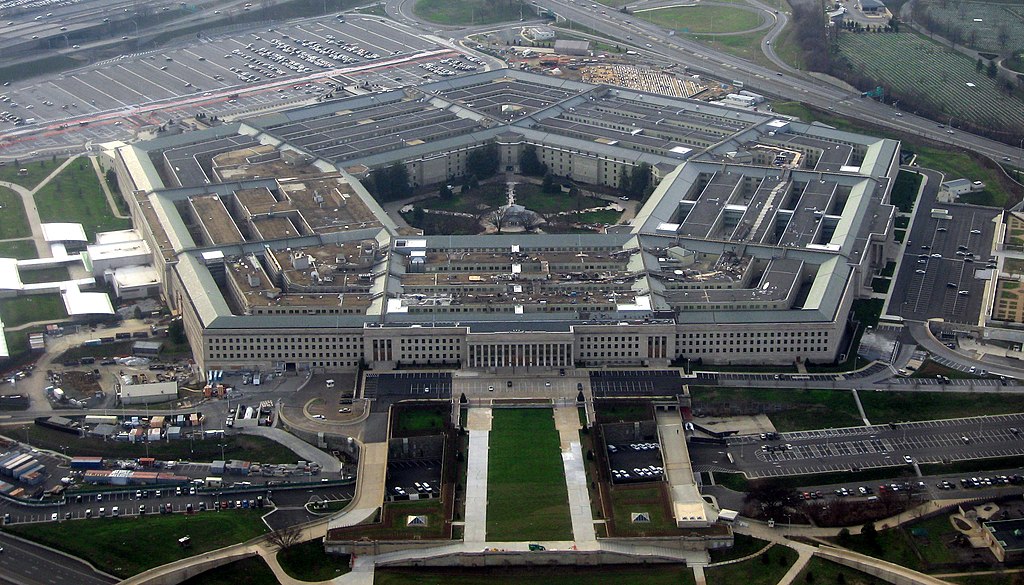
This has raised eyebrows across Washington DC.
A fiery congressional hearing on Thursday exposed growing concerns that key decisions inside the Pentagon may be happening without direct authorization from President Donald Trump — raising alarms among lawmakers who say unelected officials could be undermining the commander-in-chief.
During a tense House Armed Services Committee hearing, Rep. Mike Turner (R-Ohio) sharply confronted Pentagon policy chief Elbridge Colby, accusing him of giving what Turner described as “gross” and “disingenuous” testimony while answering questions about NATO commitments and U.S. military decisions.
The clash highlighted a broader concern in Washington: Who is really making defense policy decisions — President Trump or Pentagon bureaucrats?
Republican Lawmaker Demands Answers
Turner’s frustration boiled over when he questioned Colby about NATO’s Article 5 mutual defense commitment, which requires alliance members to defend one another if attacked.
According to Turner, Colby’s answers appeared evasive and overly complicated.
“What’s been difficult sitting here listening to you,” Turner said during the hearing, “is that your answers feel disingenuous. You continue adding unnecessary clarifications that only create more concern about your commitment to the truth.”
Turner warned that Congress is growing worried about how policy decisions are being made inside the Department of Defense.
Ukraine Weapons Decision Raises Red Flags
The dispute comes after the Pentagon earlier this year temporarily halted shipments of air defense missiles and other precision weapons to Ukraine.
Reports indicated the decision originated from the Pentagon policy office overseen by Colby.
But when reporters later asked President Trump about the pause, the president said he had not personally ordered the move and was unaware of who authorized it.
Within days, the Pentagon reversed course and resumed sending defensive weapons.
That sequence of events raised serious questions among lawmakers.
“When we ask about President Trump’s decisions, you redefine it as the ‘Trump administration,’” Turner told Colby.
“We want to know about the president’s decision-making — not your interpretation of being aligned with him.”
Turner made clear that members of Congress trust Trump’s leadership but worry about decisions being made without his direct approval.
“We are comfortable with President Trump making these decisions,” Turner said. “What we are not comfortable with is whether others are making them.”
Pentagon Official Pushes Back
Colby rejected Turner’s accusations and insisted he had been fully truthful in his testimony.
“I make it a point of being truthful,” Colby said. “I categorically reject that characterization.”
He also said Pentagon leadership works to ensure policies are consistent with President Trump’s direction.
But Turner immediately pressed the issue again.
“You said it again — aligned,” Turner replied. “The decision-making must come from President Trump.”
Colby responded by describing himself as a “loyal lieutenant” to the president.
Still, Turner warned that the committee remains concerned the process may not always be functioning properly.
Democrats Also Demand Accountability
Even Democrats on the committee pressed Colby for answers about the Ukraine weapons pause.
Rep. Bill Keating (D-Mass.) repeatedly asked who authorized the decision after Trump publicly stated he did not.
“The president said from the Oval Office that he didn’t make that decision,” Keating said. “So who did?”
Colby responded that he did not personally order the pause and would need to follow up with the committee.
“I don’t actually know,” Colby said.
That response angered Keating.
“This is your office,” Keating said. “Who made a decision that could have put lives at risk?”
Chairman Raises Transparency Concerns
Committee Chairman Rep. Mike Rogers (R-Ala.) also raised concerns about Pentagon transparency.
Rogers said Colby previously told him there were no discussions underway about withdrawing a U.S. military brigade from Romania, only for such a decision to emerge shortly afterward.
“I’m concerned that you were not being truthful with me,” Rogers said.
The chairman stressed that while Congress and the Pentagon may disagree on policy, the Constitution requires honest and open communication with lawmakers.
Bigger Questions About Pentagon Power
The heated exchange reflects a larger debate now unfolding in Washington: Are unelected defense officials making critical national security decisions that should belong to the president?
For many Republicans, the issue comes down to maintaining a clear chain of command and ensuring that President Trump — as commander in chief — remains the final authority on U.S. military policy.
With tensions rising globally and the United States deeply involved in international security issues, lawmakers say transparency inside the Pentagon is more important than ever.
And after Thursday’s explosive hearing, it’s clear that Congress plans to keep asking tough questions.