Here’s what Americans need to know.
Millions of Americans who depend on Social Security could face automatic benefit cuts within the next several years if Congress fails to act. One senior Republican senator says the clock is ticking, warning that delaying a solution could put retirees and the nation’s economy at risk.
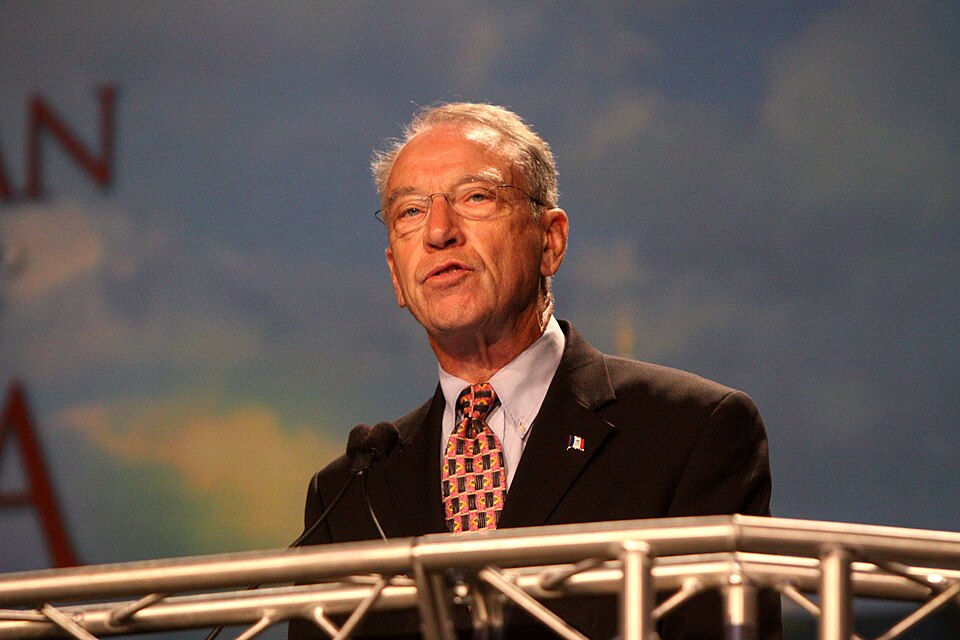
Speaking on the Senate floor, Sen. Chuck Grassley (R-Iowa), the Senate President Pro Tempore and a member of the Senate Finance Committee, urged lawmakers to address Social Security’s long-term financial challenges before the program reaches a critical deadline.
According to current projections, the Social Security retirement trust fund is expected to run out of reserves in 2032. If that happens and Congress has not approved reforms, payroll tax revenue would only be enough to pay about 78% of scheduled benefits—resulting in an automatic reduction of roughly 22% for millions of retirees.
Why This Matters for Retirees
Social Security remains the financial backbone of retirement for millions of Americans.
More than 69 million people currently receive Social Security benefits, and for many seniors those monthly checks represent their largest—or only—reliable source of income.
That reality has fueled growing concern about the program’s future. Recent polling shows many Americans worry Congress will wait too long to address the funding shortfall, increasing uncertainty for current retirees and younger workers alike.
Grassley argued that allowing automatic benefit reductions to occur would be unacceptable for Americans who spent decades paying into the system.
He also warned that postponing action could make the eventual solution even more expensive.
Grassley Warns Congress Is Running Out of Time
During his remarks, Grassley criticized Washington’s tendency to delay difficult decisions until the last possible moment.
He said waiting to address Social Security’s finances increases the likelihood that lawmakers would have to rely on massive borrowing to bridge the funding gap.
With the national debt already at historically high levels, Grassley warned that issuing trillions of dollars in additional debt over a short period could create broader financial risks for the country.
According to the senator, protecting Social Security requires action before the program reaches a crisis point—not after.
Why Social Security Is Facing Financial Trouble
The financial challenges facing Social Security have developed over many years.
When the program was created, there were significantly more workers paying payroll taxes for every retiree receiving benefits. Today, that ratio has steadily declined.
At the same time, Americans are living longer than previous generations, and millions of Baby Boomers continue retiring every year.
As benefit payments rise faster than payroll tax collections, the trust fund has been gradually drawing down its reserves.
Without legislative changes, those reserves are projected to be exhausted in 2032.
Republicans and Democrats Agree on One Thing
While Democrats and Republicans continue debating how to strengthen Social Security, both sides generally acknowledge that the program’s long-term finances need attention.
Grassley argued that neither party’s preferred talking points offer a complete solution.
He said the funding gap is too large to eliminate solely by raising taxes on high-income earners or by relying only on reducing waste, fraud, and abuse.
Instead, many financial experts believe any lasting solution will likely require a combination of revenue increases, spending reforms, and carefully phased policy changes.
What Solutions Are Being Discussed?
Lawmakers have debated numerous proposals over the years, though none has gained broad bipartisan support.
Raising the Payroll Tax Cap
One frequently discussed proposal would require higher-income Americans to pay Social Security payroll taxes on more of their earnings.
Supporters say the change would generate additional revenue for the program, while critics argue it would increase taxes on workers and business owners.
Increasing Payroll Taxes
Another proposal would gradually raise payroll tax rates paid by employees and employers.
Advocates believe smaller increases spread over many years could strengthen Social Security while avoiding sudden financial shocks.
Raising the Full Retirement Age
Many fiscal conservatives have proposed gradually increasing the age at which Americans qualify for full retirement benefits.
Supporters argue Americans are living longer than when Social Security was created, making the adjustment reasonable.
Critics, however, contend that raising the retirement age would effectively reduce lifetime benefits, particularly for blue-collar workers whose jobs are physically demanding.
Slowing Future Benefit Growth
Some proposals would adjust benefit formulas or modify future cost-of-living increases.
While current retirees would generally continue receiving their scheduled benefits, future retirees could see slower growth in their monthly payments.
Means Testing Benefits
Another proposal would reduce benefits for wealthier retirees while preserving full benefits for lower-income Americans.
Supporters say this would better target limited resources, while opponents argue it would fundamentally change Social Security from an earned retirement benefit into an income-based assistance program.
The Reagan-Era Reform Still Serves as a Model
Grassley pointed to the bipartisan reforms enacted in 1983 under President Ronald Reagan and House Speaker Tip O’Neill as proof that both parties can work together when necessary.
At the time, Social Security faced a similar financial challenge.
Congress responded by creating a bipartisan commission whose recommendations eventually became law.
Those reforms included gradually increasing the retirement age for future beneficiaries, strengthening payroll tax collections, and adopting additional revenue measures.
The legislation extended Social Security’s financial stability for more than four decades.
Grassley suggested today’s lawmakers should follow a similar bipartisan approach before another funding crisis arrives.
Could Benefits Really Be Cut by 22%?
Under the latest projections from Social Security trustees, retirees will continue receiving full scheduled benefits until the trust fund’s reserves are depleted.
If Congress does nothing before that point, incoming payroll tax revenue would only cover about 78% of promised benefits.
That means millions of Americans could see automatic benefit reductions of approximately 22%.
Financial experts continue to stress that lawmakers still have time to prevent those cuts—but every year Congress delays action makes the available options more difficult and politically challenging.
What Happens Next?
For now, Social Security beneficiaries will continue receiving their full monthly checks.
However, lawmakers face increasing pressure to develop a bipartisan solution before the projected 2032 deadline arrives.
Whether that involves higher payroll taxes, changes to retirement eligibility, adjustments to future benefits, or a combination of several reforms remains the subject of ongoing debate.
One thing is becoming increasingly clear: both parties acknowledge the financial challenge facing Social Security. The question now is whether Congress will act in time to preserve the program’s long-term stability without triggering automatic benefit cuts for millions of American retirees.