The Trump administration is not banning food—but it is taking aggressive action against ultra-cheap foreign imports that critics say have undercut American businesses for years.
Federal trade officials have approved sweeping penalties on disposable food containers imported from China and Vietnam, targeting what investigators describe as illegal price dumping that harmed U.S. manufacturers and threatened American jobs.
Supporters of the move say it’s a long-overdue correction that protects consumers, strengthens domestic production, and restores fairness to the marketplace.
Cracking Down on Unfair Trade
According to trade attorneys involved in the case, foreign producers flooded the U.S. market with disposable food packaging at prices American companies simply could not match—thanks to foreign government subsidies and below-cost sales.
“America thrives when competition is fair,” said trade attorney Yohai Baisburd, who represented U.S. manufacturers during the investigation. He praised the administration for using every legal tool available to enforce U.S. trade laws and hold foreign cheaters accountable.
That enforcement effort recently received a major boost from the U.S. International Trade Commission, which ruled that American manufacturers were being materially injured by imports of thermoformed molded fiber products from China and Vietnam.
What Products Are Involved?
The ruling covers everyday food service items used across the country, including:
- Disposable plates and bowls
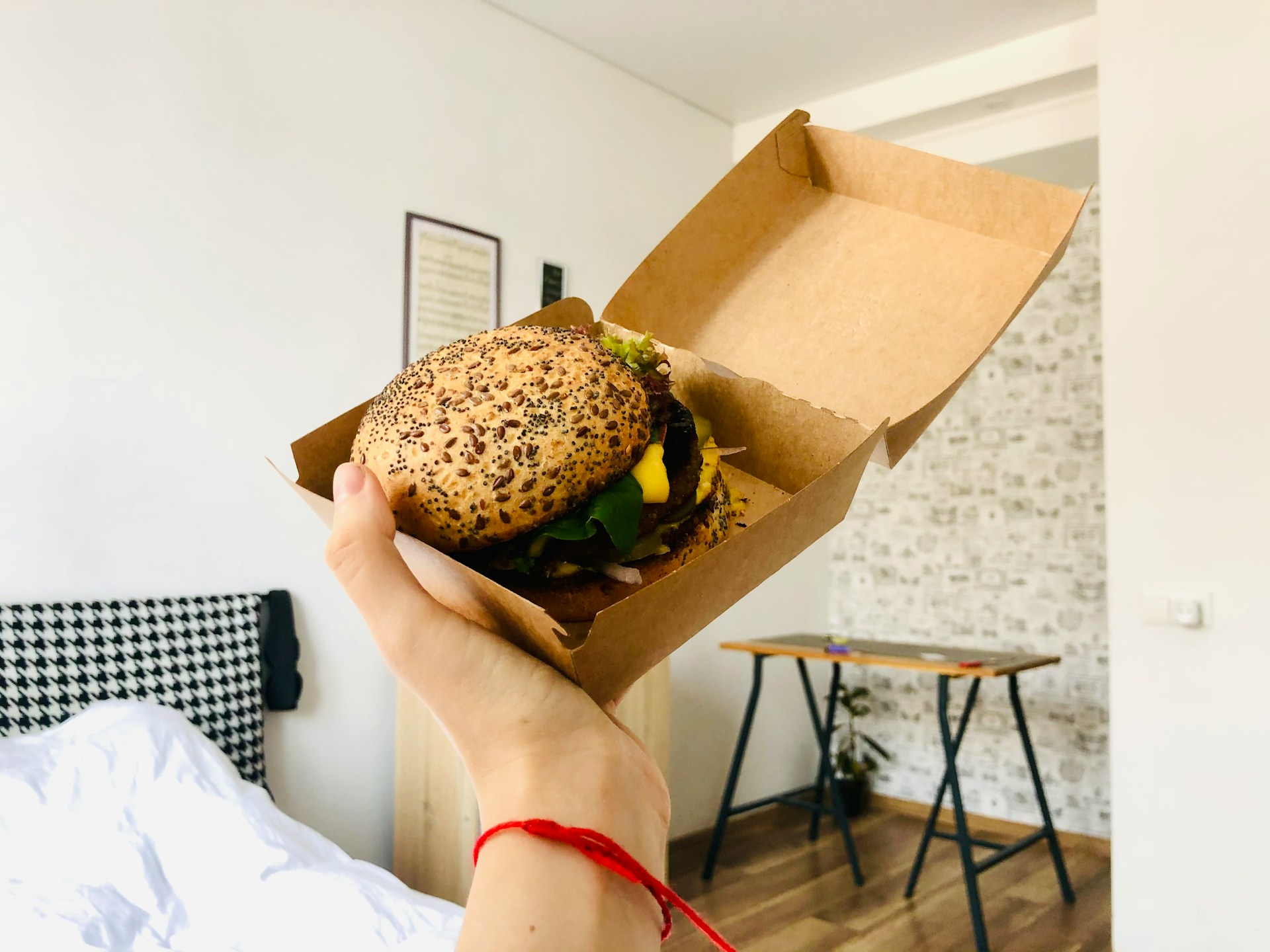
- Take-out and delivery containers
- Cups and ready-meal packaging
These products are typically made from recycled materials like wood pulp and molded using heat and pressure. While marketed as “eco-friendly,” investigators found many imports were sold at unfairly low prices, distorting the U.S. market.
Massive Duties Coming
Following the ITC’s decision, the U.S. Department of Commerce is preparing final antidumping and countervailing duty orders—special trade penalties designed to offset illegal pricing and subsidies.
The numbers are eye-opening:
- Certain Chinese producers face duties exceeding 540%
- Vietnamese producers could see penalties of 260% or more
- Some imports will be hit with retroactive duties, a rare enforcement step meant to stop importers from rushing products in before penalties take effect
These duties will remain in place for at least five years, giving American manufacturers long-term protection from unfair foreign competition.
Why Supporters Say This Matters
Backers argue the move has nothing to do with banning food or raising grocery prices—and everything to do with protecting U.S. workers and consumers.
American manufacturers, they say, can compete globally when the rules are followed. What they cannot compete against are foreign governments propping up industries through illegal subsidies.
With fair pricing restored, U.S. companies can reinvest in workers, modern equipment, and safer production methods—while keeping supply chains closer to home.
Health and Safety Concerns
There’s another issue that worries many consumers: chemicals.
Trade officials have cited concerns about “forever chemicals,” known as PFAs, found in some imported food containers. While foreign manufacturers often claim their products are PFAs-free, studies suggest those claims are not always accurate.
U.S. producers, by contrast, generally manufacture PFAs-free alternatives—raising questions about whether cheaper imports are truly safer for American families.
Part of a Bigger Push
This ruling is part of a broader Trump-era strategy to defend U.S. manufacturing using strict enforcement, tougher customs oversight, and closer scrutiny of foreign supply chains designed to dodge American law.
It also follows recent trade actions targeting imported aluminum food containers and low-cost paper plates from Asia.
For supporters, the message is clear: America is no longer going to reward countries that cheat—and American workers are no longer expected to lose so others can profit.