A surprising clash inside the Republican Party is raising new questions about how far the United States should go to control global energy routes—and what it could mean for everyday Americans.
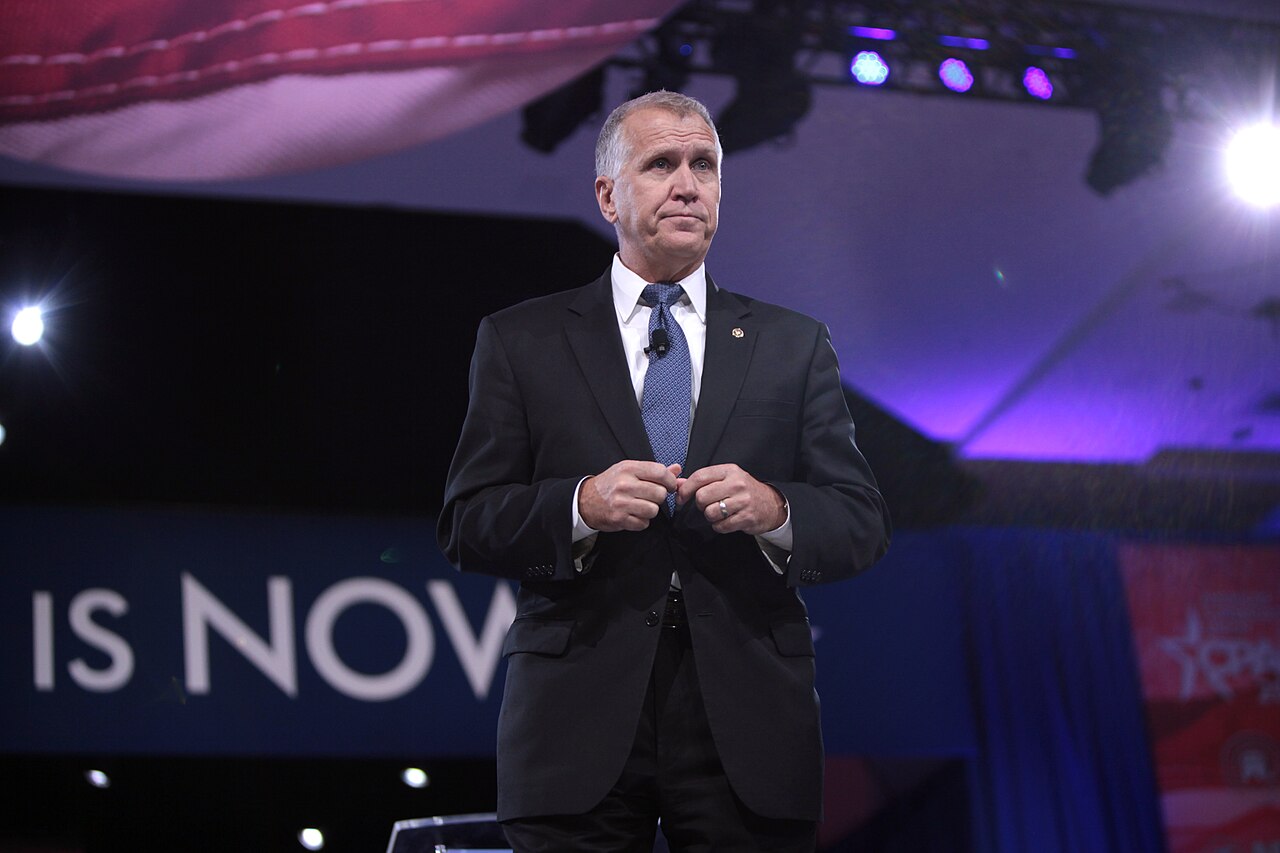
Republican Senator Thom Tillis is speaking out after a controversial idea tied to Donald Trump sparked intense debate.
His blunt reaction? The proposal would be “crazy.”
What Sparked the Controversy
At the center of the debate is the strategically vital Strait of Hormuz—a narrow waterway responsible for transporting a massive portion of the world’s oil and natural gas.
President Trump recently floated the idea of the United States charging tolls on ships passing through the region, arguing America should benefit from its military dominance.
“Why shouldn’t we?” Trump said. “We’re the winner.”
The proposal immediately caught attention—not just from Democrats, but from Republicans as well.
Republican Senator Fires Back
Tillis didn’t mince words when reacting to the idea.
“I think that’s crazy. It makes no sense,” he said, warning that such a move would essentially act as a new tax on global energy.
And here’s the key concern: America’s allies would pay the price.
Countries like Taiwan and South Korea depend heavily on energy shipments flowing through the Strait. Adding tolls could:
- Drive up fuel costs
- Hurt global supply chains
- Strain relationships with key U.S. allies
Tillis emphasized that these nations rely on the region for survival—not politics.
Why This Matters to Americans
This isn’t just a foreign policy debate—it could hit home.
If global energy prices rise due to new shipping costs, Americans could see:
- Higher gas prices
- Increased heating and electricity bills
- Rising costs across groceries and everyday goods
In other words, what happens in the Persian Gulf doesn’t stay there.
Trump’s Strategy: Strength Through Leverage
Supporters of President Trump argue this is exactly the kind of bold thinking needed to keep America in control.
Trump has suggested the U.S. could even create a joint system to oversee and secure shipping traffic, turning a dangerous region into a controlled, profitable zone.
“It’s a way of securing it,” Trump said, calling the idea “a beautiful thing.”
Legal and Global Backlash
Critics warn the plan could create serious international problems.
Many countries follow global maritime rules that guarantee free passage through waterways like the Strait of Hormuz. Charging tolls could trigger:
- Legal disputes
- Trade retaliation
- Increased tensions with major powers
China, which relies heavily on oil from the region, has already blasted U.S. discussions of aggressive action as “dangerous and irresponsible.”
Is the Plan Already Changing?
In recent days, the Trump administration appears to be pivoting away from tolls and toward stronger military enforcement—such as naval blockades—to keep pressure on Iran.
That shift suggests internal debate is ongoing—even among allies.
The Bottom Line
This growing divide highlights a bigger issue inside Washington:
How aggressive should America be when it comes to controlling global energy and trade?
- Trump supporters see strength and smart leverage
- Critics—even Republicans—see economic risk and global fallout
One thing is certain: decisions made around the Strait of Hormuz could directly impact your wallet, your energy bills, and America’s standing in the world.
Final Thought
As tensions rise overseas and energy remains a top concern for millions of Americans—especially those on fixed incomes—this debate is far from over.
And the outcome could shape not just foreign policy… but your cost of living.