Here’s what Americans need to know.
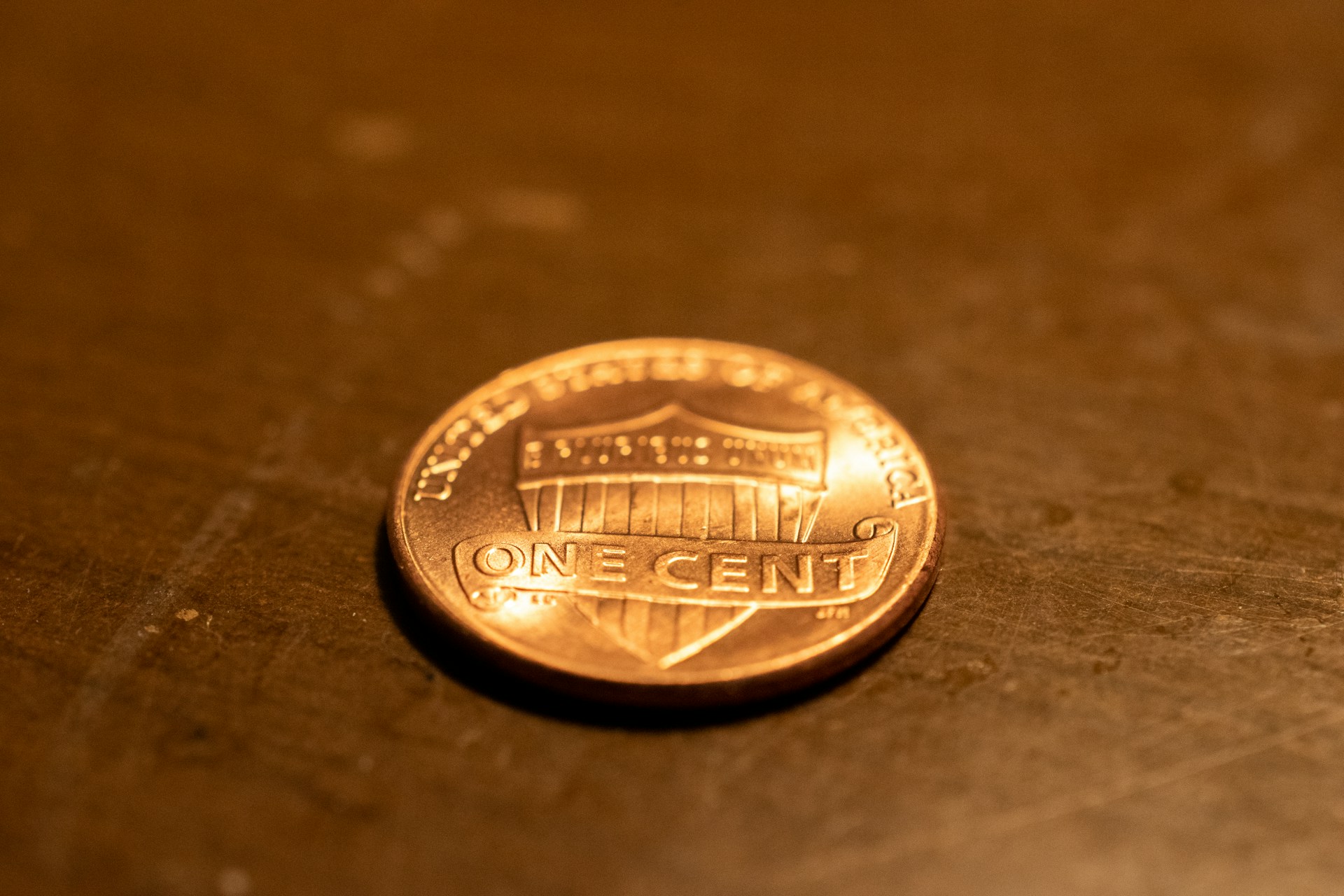
The penny officially reached the end of the road in 2025, quietly phased out after years of controversy over cost, usefulness, and whether Americans even still wanted it. Producing a one-cent coin had become more expensive than the coin was worth, and most pennies ended up forgotten in couch cushions, car cupholders, or spare change jars instead of being spent.
Now, with Americans still adjusting to life without new pennies entering circulation, attention is turning to the next smallest coin in the nation’s wallet: the nickel.
According to the most recent data from the U.S. Mint, it cost taxpayers nearly 14 cents to produce a single five-cent coin in fiscal year 2024. That makes the nickel the only other coin—besides the now-retired penny—that cost more to manufacture than its face value.
Why the Nickel Is Suddenly Under Scrutiny
Since pennies are becoming harder to find, many retailers have begun rounding cash transactions to the nearest five cents. In most cases, the rounding works in customers’ favor, but it has increased reliance on nickels to keep cash payments functioning smoothly.
Still, experts say that may not be enough to protect the coin long-term.
Economists note that removing the nickel would actually be easier than eliminating the penny was. Without pennies, businesses can still make change using dimes and quarters while rounding totals to zero or five. Pennies were once essential for precise amounts—nickels, less so.
Adding to the uncertainty is a major shift in Washington: there is now precedent for ending coin production without a lengthy congressional fight, something that would have been unlikely in the past.
Could the Nickel Be Changed Instead of Eliminated?
Another option being discussed is changing what the nickel is made of. Despite the name, today’s nickel is only 25% nickel, with the remaining metal mostly copper. Rising copper prices are one of the main reasons production costs have soared.
Treasury officials have acknowledged efforts to explore cheaper materials, similar to changes made to the penny decades ago. Advocates say altering the composition could bring the cost of producing a nickel closer to its actual value.
Why the Nickel May Still Survive—for Now
Despite the growing debate, experts believe the nickel is not disappearing anytime soon. Unlike the penny, Americans still see enough value in a nickel to pick one up off the ground. That everyday behavior matters more than many people realize.
The penny, by contrast, faded away largely because people stopped using it altogether. Instead of spending pennies or returning them to banks, Americans stockpiled them. That forced the Mint to produce more, driving costs higher in a vicious cycle.
An estimated 300 billion pennies remain scattered across the country—roughly $8 worth per person—lost in drawers, jars, and forgotten places.
Is Congress Getting Involved?
A bill currently under review in the House Financial Services Committee would suspend production of both the penny and the nickel. While it does not guarantee immediate action, it shows that lawmakers are seriously considering changes to America’s coinage system.
For now, nickels remain legal tender, and new coins—including special commemorative editions—are still being produced. But as Washington looks for ways to reduce waste and modernize government operations, the question is becoming harder to ignore.
If Americans ever stop bending down to pick up a nickel, experts say, that’s when its fate will truly be sealed.