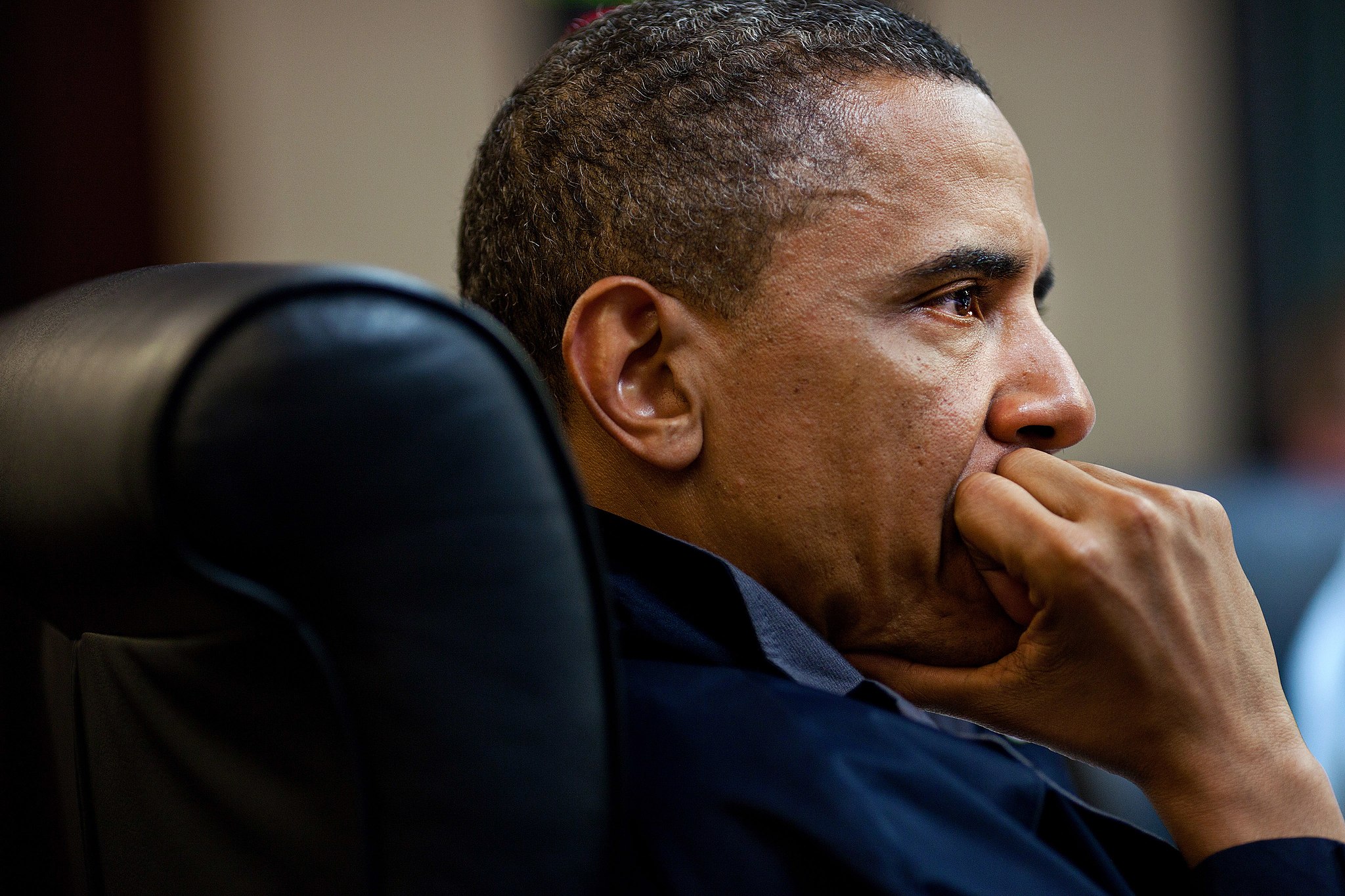
Here’s what Trump is thinking.
President Donald Trump made an announcement on Thursday that he would extend the national emergency concerning Ukraine due to the ongoing war with Russia. By declaring a national emergency, the president secures enhanced powers to address crises through legal authority, enabling him to apply special measures designed for such situations.
This move continues the framework set in motion by former President Barack Obama in 2014, following Russia’s annexation of Crimea. Obama’s original executive order allowed for sanctions targeting individuals and entities that violated Ukraine’s sovereignty. In 2024, President Biden chose to extend these emergency measures, affirming the ongoing threat posed by Russia.
Trump’s decision to keep the national emergency in place reflects the continuing challenges in Ukraine, where Russia’s full-scale invasion began in February 2022. While President Biden has maintained a strong support stance toward Ukraine, relations between the U.S. and Kyiv have faced more scrutiny under Trump’s leadership, as he has emphasized the need for a more strategic and balanced approach to the conflict.
Trump’s administration has been engaging directly with Russia, seeking to bypass Ukraine in discussions on peace terms. He has also been vocal in criticizing Ukrainian President Volodymyr Zelensky, controversially blaming Ukraine for the war and calling Zelensky a “dictator.” This sharp contrast in approach from Biden’s administration highlights a different vision for U.S. foreign policy.
In his recent remarks, Trump affirmed that lifting sanctions on Russia is not an immediate option but may be considered in the future if Russia shows willingness to negotiate. Trump expressed confidence that Russian President Vladimir Putin would honor any potential agreements, signaling a pragmatic approach to securing peace.
The declaration of national emergency, which Trump extended on Thursday, aligns with the actions taken by Obama and Biden. The White House has stressed that Russia’s actions continue to pose a grave threat to both U.S. national security and foreign policy interests. As the situation evolves, Trump’s careful stance on sanctions and potential negotiations with Russia will remain a key focus in determining the path forward.