Historic Ruling Upholds Parental Rights
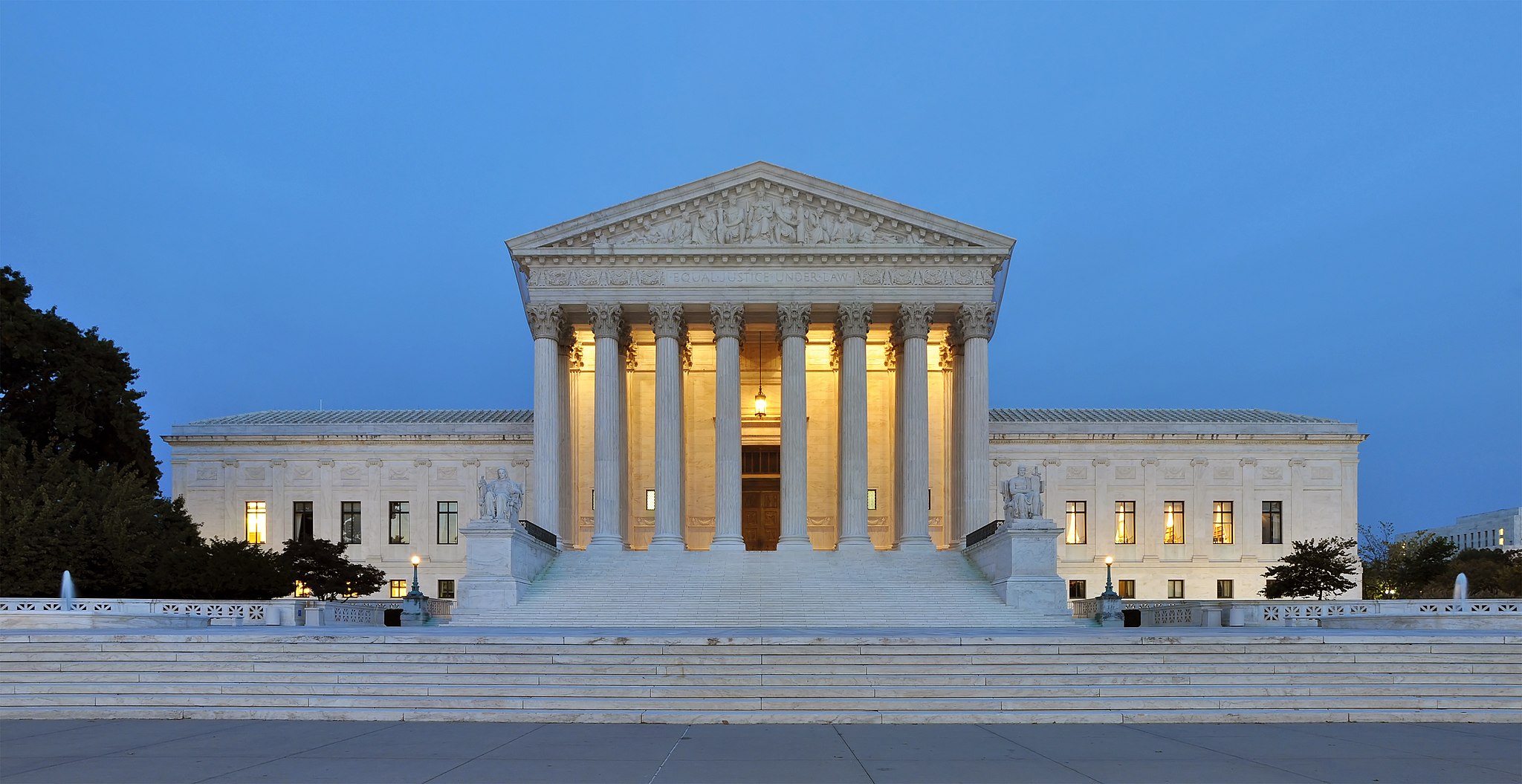
In a monumental 6-3 decision, the Trump-era Supreme Court has sided with parents, children, and common sense by upholding Tennessee’s law banning transgender puberty blockers and hormone therapies for minors. This decision comes as more than half the nation moves to protect children from irreversible medical interventions tied to gender identity ideology.
Supreme Court Defends State Power to Protect Minors
Chief Justice John Roberts, writing for the majority, made clear: the Court’s job is not to weigh in on the political battles over transgender health care, but to ensure the Constitution is respected. Tennessee’s Senate Bill 1, he affirmed, does not violate the Equal Protection Clause of the 14th Amendment.
“This case carries with it the weight of fierce scientific and policy debates… Our role is only to ensure that it does not violate the equal protection guarantee,” Roberts wrote.
This is a major win not only for Tennessee, but also for 26 other states with similar laws defending minors from controversial gender-related treatments.
What the Law Says — And What It Protects
Senate Bill 1 prohibits doctors from providing puberty blockers or cross-sex hormones to minors with the aim of helping them “live as” a gender different from their biological sex. Exceptions remain for rare congenital or chromosomal conditions — reaffirming this law is about protecting children, not denying care.
Laws like these have gained support as more medical professionals and parents express concern over the long-term risks of gender transition in minors, including sterilization, bone density loss, and psychological distress.
Liberal Backlash Fails to Sway Majority
The Biden administration, along with three transgender-identifying minors and their parents, sued to strike down the law — but the conservative-led Court held firm. Liberal Justices Sotomayor, Kagan, and Jackson dissented, calling the ruling a retreat from “meaningful judicial review.”
Justice Sotomayor, in an emotional dissent, argued the law discriminates by referencing “inconsistency with sex.” But Chief Justice Roberts dismantled that claim, stating the law classifies by age and medical use, not by sex or identity.
Justice Barrett: No Special Rights for Gender Identity
Justice Amy Coney Barrett, joined by Justice Clarence Thomas, warned against creating new “protected classes” based on transgender status. Doing so, she said, would open the floodgates to lawsuits over school bathrooms, girls’ sports, and parental consent laws — all decided by judges instead of voters.
“This Court has not recognized any new constitutionally protected classes in over four decades,” she noted, pointing out that transgender identity has no history of legally codified discrimination comparable to race or sex.
What This Means for America’s Future
This decision isn’t just about Tennessee. It’s a massive affirmation of states’ rights, parental authority, and the biological reality under threat from radical gender activists. In short, it sends a clear message: our children are not political experiments.
The case, United States v. Skrmetti, stands alongside President Trump’s pending challenge to birthright citizenship as a defining legal battle of this term — and a testament to the enduring impact of his judicial appointments.