Trump’s GOP is stepping up while Democrats twiddle their thumbs.
California drivers may finally see relief at the pump as President Donald Trump pushes back against what many conservatives call Sacramento’s runaway gas taxes.
With fuel prices in California hovering far above the national average, Republican lawmakers are stepping in — and one proposal could dramatically reshape how states handle fuel taxation.
California Gas Prices: Why Are Drivers Paying So Much?
Right now, Americans are paying an average of $2.92 per gallon nationwide.
In California? Drivers are paying roughly $4.49 per gallon, according to AAA.
A major reason: the state’s massive gas tax.
California motorists pay nearly 71 cents per gallon in combined state and federal gas taxes. The state portion alone recently rose to 61.2 cents per gallon — one of the highest fuel tax rates in the nation.
For retirees, fixed-income households, and small business owners, that difference adds up fast. Higher fuel costs impact everything from grocery prices to medical appointments and family travel.
Kevin Kiley Introduces Bill to Cut Excessive Gas Taxes
Republican Rep. Kevin Kiley plans to introduce legislation that would penalize states with gas taxes exceeding 50 cents per gallon.
The bill would reduce federal highway funding by 8% from:
- National Highway Performance Program (NHPP)
- Surface Transportation Block Grant Program (STBG)
The message is clear: states that overtax drivers should not expect unlimited federal support.
Kiley stated that California drivers are paying more but seeing little improvement in road quality or congestion relief.
For many voters over 50, this resonates deeply. After years of inflation, rising property taxes, and higher insurance premiums, fuel costs are yet another financial squeeze.
Trump’s Plan to Lower Fuel Prices Nationwide
Earlier this year, President Trump signaled he was exploring options to cap excessive state fuel taxes.
Trump has repeatedly emphasized that lowering gas prices is central to restoring economic stability, especially for working Americans and retirees living on savings.
High energy costs ripple through the economy — increasing the price of food, shipping, travel, and everyday goods.
Lower fuel costs mean:
- More predictable retirement budgets
- Reduced pressure on small businesses
- Lower transportation expenses
- Relief from inflation-driven price hikes
California Democrats Explore Mileage-Based Driving Tax
While Republicans push to reduce taxes at the pump, California Democrats are exploring a new revenue concept: charging drivers per mile traveled.
Lawmakers recently advanced AB 1421, introduced by Democrat Lori Wilson, which directs transportation agencies to continue studying mileage-based taxation options.
Supporters argue that as more residents switch to electric vehicles, gas tax revenue declines.
Critics warn that a per-mile tax could become another financial burden — especially for commuters, seniors in rural areas, and families who rely heavily on their vehicles.
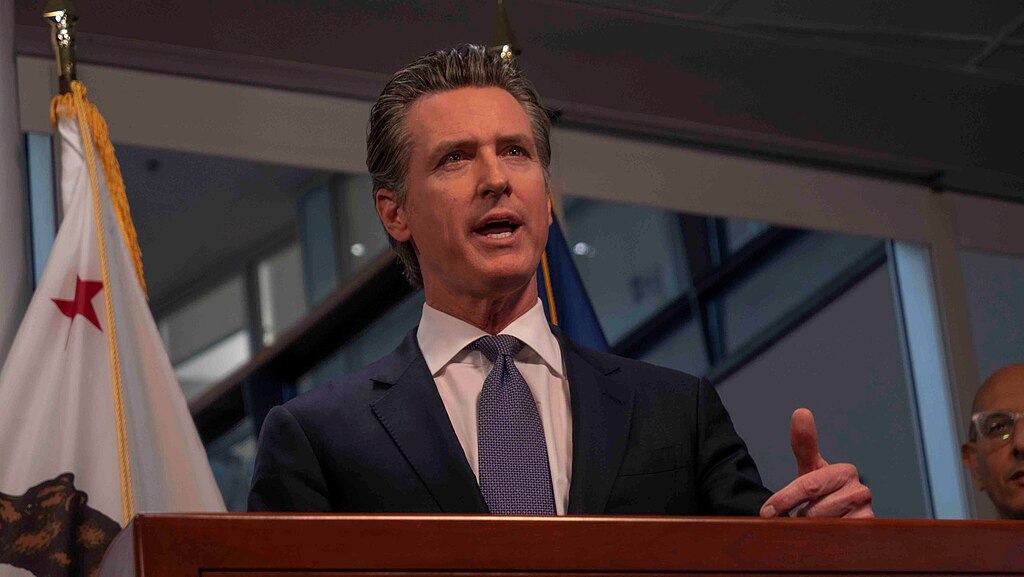
Gavin Newsom’s Office Responds
Governor Gavin Newsom’s office criticized the proposal, arguing that California’s gas tax funds road improvements, bridge repairs, and environmental programs.
However, many drivers say potholes remain, traffic congestion persists, and fuel prices continue climbing.
With California facing a multi-billion-dollar budget deficit, the debate over gas taxes is likely to intensify.
Why This Matters for Americans
For older Americans, fuel prices aren’t just a political issue — they’re a household budget issue.
Higher gas prices mean:
- Increased grocery bills
- More expensive travel to see grandchildren
- Higher costs for prescriptions and doctor visits
- Less disposable income in retirement
As inflation concerns remain top-of-mind, energy costs are once again becoming a defining economic issue.
If Kiley’s legislation gains traction in Congress, it could signal a major shift in the battle between Washington and Sacramento over how much taxpayers should be forced to pay at the pump.
And for millions of Californians, even a modest reduction could make a meaningful difference.