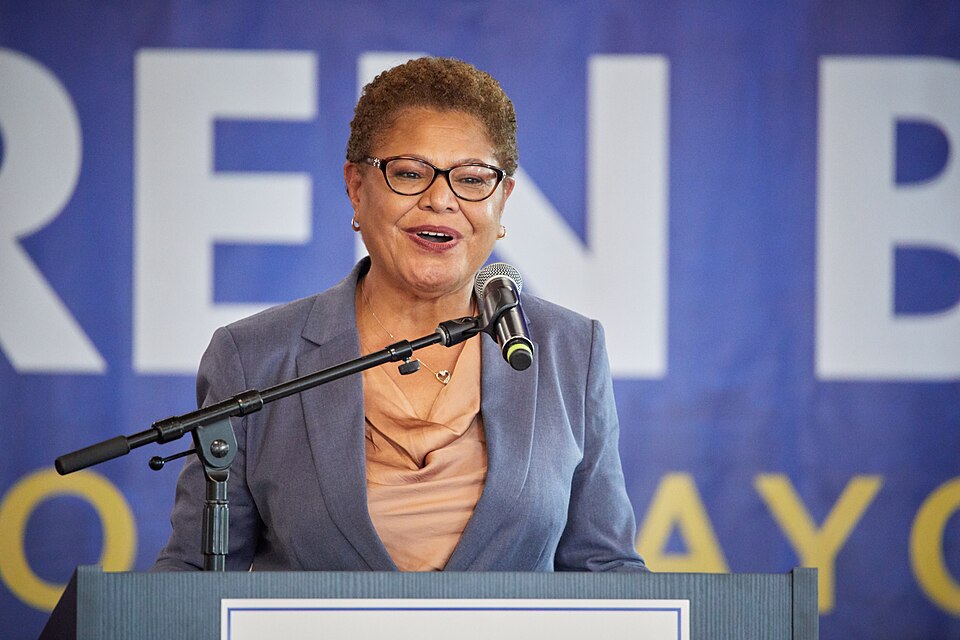
Democrat leaders need step up and be honest about their problems so Trump could possibly help.
Los Angeles’ homelessness crisis is once again making headlines after newly released data showed the number of people living on the streets increased over the past year, raising fresh questions about the effectiveness of city leaders’ policies.
The latest figures showed homelessness in Los Angeles rose by 3.5% compared with last year, erasing much of the progress Mayor Karen Bass had highlighted during her first two years in office. The increase has renewed criticism of the city’s handling of one of its most pressing challenges.
Rather than accepting responsibility, Bass blamed several outside factors for the setback, including policies from the Trump administration, cuts in state funding, and what she described as inadequate support from Los Angeles County.
Bass Blames Trump, State Cuts, and County Services
Following the release of the report, Bass defended her administration’s record, arguing that Los Angeles had made historic gains before financial pressures and funding reductions slowed progress.
She said rising costs for housing and everyday necessities have placed more residents at risk of homelessness. Bass also pointed to reductions in state funding and argued that Los Angeles County has not provided enough mental health and support services for people struggling to transition out of homelessness.
According to Bass, those challenges have made it more difficult for the city to move people into stable housing and prevent others from falling into homelessness.
Even with the latest increase, Bass highlighted what she described as major accomplishments during her administration. She said homelessness has declined by roughly 13% since 2023, thousands of people have entered interim housing through the city’s Inside Safe initiative, and more than 1,000 homeless veterans have been placed into permanent housing.
The mayor also argued that Los Angeles inherited a homelessness crisis that had been ignored by previous administrations for decades and pledged to continue working until no one is forced to sleep on the city’s streets.
New Numbers Raise Questions About City’s Strategy
Just one day before the latest report was released, Bass posted a video on social media promoting her administration’s efforts to combat homelessness, saying every resident deserves safe housing.
However, the newly released figures returned Los Angeles’ homeless population to roughly its 2024 level, wiping out much of the recent improvement city officials had celebrated.
The setback has fueled renewed debate over whether current homelessness programs are producing lasting results despite billions of taxpayer dollars being directed toward the crisis.
Downtown Los Angeles Still Bears the Burden
Downtown Los Angeles, including the well-known Skid Row area, remains at the center of the city’s homelessness emergency.
Jens Midthun, president of the Downtown Los Angeles Neighborhood Council, said neglected and abandoned properties continue to attract illegal activity and homeless encampments.
He argued that the city lacks enough inspectors and resources to properly address deteriorating buildings and nuisance properties, leaving downtown residents to deal with the consequences.
According to Midthun, downtown continues to carry the heaviest burden of the city’s homelessness crisis despite years of government spending and multiple initiatives aimed at reducing the problem.
Homelessness Expected to Dominate Election Debate
The homelessness issue is likely to become a major topic during this fall’s mayoral election.
Bass is scheduled to face City Councilwoman Nithya Raman, who chairs the Housing and Homelessness Committee.
Raman has also faced criticism over Los Angeles’ approach to homelessness. Opponents have pointed to an affordable housing project that reportedly cost about $60 million but produced only a handful of occupied units despite an initial goal of providing housing for up to 2,000 homeless residents.
With homelessness once again trending upward, voters will likely be asking whether current leadership has delivered the results it promised—or whether Los Angeles needs a different strategy to address one of the city’s most persistent and expensive challenges.