Trump’s GOP is cracking down.
A new Senate proposal aligned with President Donald Trump’s push for fiscal accountability is drawing attention on Capitol Hill, as lawmakers move to close a loophole critics say has allowed taxpayer-funded welfare benefits to be sent overseas.
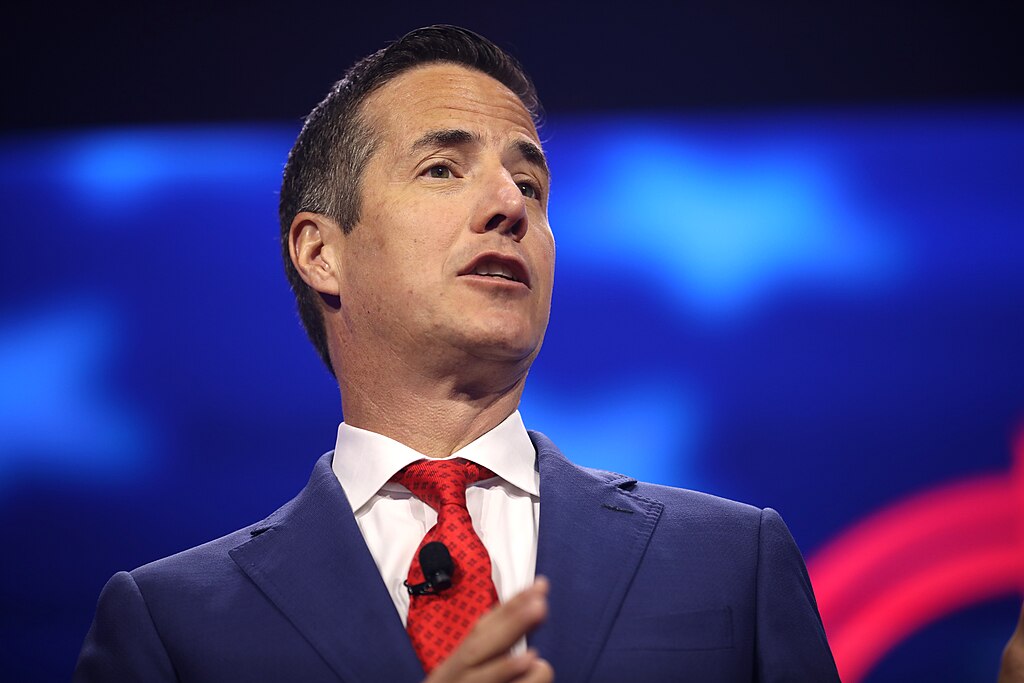
The legislation, introduced by Ohio Republican Sen. Bernie Moreno, would prohibit individuals receiving federal public assistance from transferring money abroad through remittance services. Supporters argue the measure is designed to ensure public aid is used for its intended purpose—helping people meet basic needs in the United States.
Under the proposal, anyone applying for or renewing federal welfare benefits would be required to sign a written declaration confirming they are not sending money overseas while receiving assistance. Violations could result in civil penalties of up to $100,000.
Federal agencies that administer public assistance programs would be responsible for enforcing the requirement during both initial applications and reapplications. Recipients would be required to certify compliance under penalty of perjury, adding what backers describe as a long-overdue layer of accountability.
Moreno said the bill addresses systemic failures that have allowed abuse of public assistance programs for decades.
“For too long, Washington’s welfare system has lacked meaningful safeguards,” Moreno said. “If someone has enough disposable income to send money overseas, they should not be collecting benefits funded by American taxpayers.”
The issue of overseas money transfers has received renewed scrutiny following major fraud investigations in Minnesota, where misuse of taxpayer funds allegedly involved money being routed abroad. While many remittances are funded by lawful wages, critics say existing systems make it difficult to determine whether taxpayer-funded assistance is being used for those transfers.
Because welfare payments and earned income are often deposited into the same accounts, tracing the source of transferred funds can be challenging. Lawmakers argue this lack of transparency undermines public confidence in government programs.
Policy analysts have also pointed to the scale of outbound remittances from the United States. The U.S. remains the largest source of international money transfers in the world, with annual outflows estimated in the tens of billions of dollars.
Some foreign economies rely heavily on these inflows. In Somalia, for example, remittances reportedly account for roughly a quarter of the country’s gross domestic product. Analysts warn that when foreign governments become dependent on money sent from the U.S., it may reduce incentives to cooperate on immigration enforcement or accept the return of their citizens.
At that level, critics say, remittances shift from individual household support to large-scale economic forces with broader national implications.
Supporters of Moreno’s proposal emphasize that the bill is not aimed at immigrants broadly, but at protecting taxpayer dollars and restoring trust in public assistance programs. They argue welfare benefits should serve as a temporary safety net—not a source of funds flowing out of the country.
As the Senate considers the legislation, conservatives are praising the proposal as a commonsense step toward strengthening oversight, protecting public resources, and ensuring federal aid is reserved for those who truly need it.