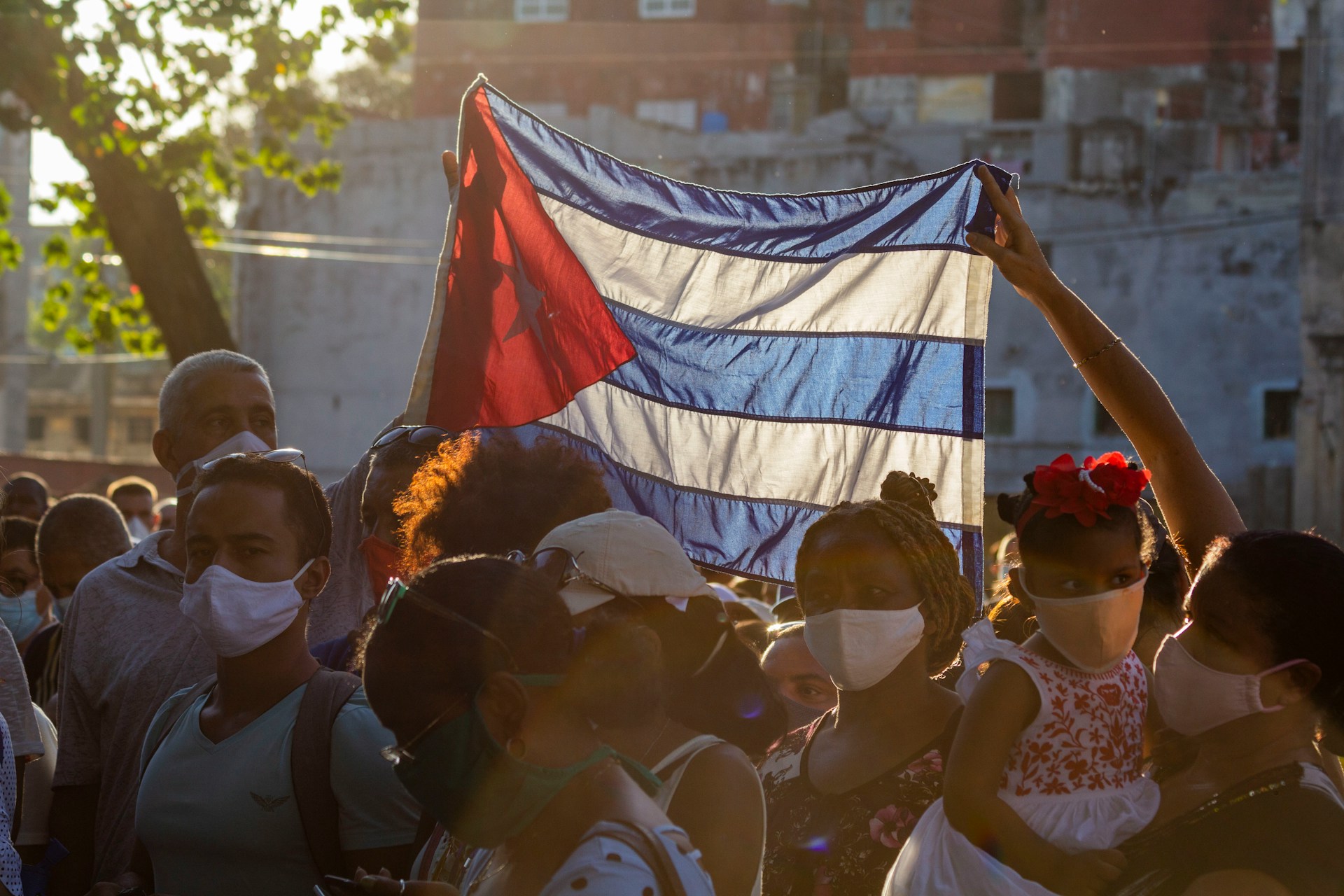
Tensions between Cuba and the United States are rapidly escalating—and now, the situation is turning into a full-blown crisis.
The Cuban government has flatly rejected a request from the U.S. Embassy in Havana to import diesel fuel, even as the island struggles through devastating blackouts and a worsening energy collapse.
The decision comes as President Donald Trump’s renewed pressure campaign tightens its grip on the communist regime—triggering visible cracks in Cuba’s already fragile system.
Cuba Refuses U.S. Request—Calls It “Shameless”
According to reports, U.S. officials requested permission to bring in fuel to keep embassy generators running during widespread outages.
Cuba’s response? A hard no.
Officials in Havana blasted the request, calling it “shameless” and accusing the United States of seeking privileges that ordinary Cuban citizens are being denied under the current economic pressure.
Behind the scenes, U.S. diplomats have warned that the refusal could force staff reductions at the embassy within weeks, raising concerns about stability on the island.
Energy Crisis Pushes Cuba To The Brink
Cuba’s economy is now feeling the full force of U.S. sanctions.
For years, the island relied heavily on oil shipments from Venezuela—but that pipeline has effectively dried up following U.S.-backed efforts to reshape the region.
The result?
- Massive, nationwide blackouts
- A collapsing electrical grid
- Severe fuel shortages
- Growing economic desperation
At one point this week, nearly the entire country—over 11 million people—was left without power for more than a full day.
For many Americans watching from afar, it’s a stark reminder of what happens when centralized systems begin to fail.
Trump’s Strategy: Maximum Pressure
Unlike past administrations, President Trump has taken a no-nonsense approach toward Cuba.
His strategy is simple: apply economic pressure until real political change happens.
Key figures in the administration, including Secretary of State Marco Rubio, have pushed for major reforms—and even leadership change inside Cuba.
There are also ongoing discussions about whether sanctions could be eased—but only if Cuba moves away from its current leadership structure.
In other words, the message is clear:
Change—or face continued pressure.
No Military Action—But Strong Warnings
Despite the heated rhetoric, U.S. military leaders have confirmed that there are no immediate plans for military intervention.
Still, the tone from Washington has made it clear that all options remain on the table if the situation deteriorates further.
And with tensions rising globally, that possibility cannot be ignored.
Global Energy Chaos Makes Things Worse
Adding fuel to the fire—literally—is the growing instability in global oil markets.
Following recent U.S. and Israeli strikes on Iran, energy prices have surged, and key shipping routes in the Middle East have been disrupted.
That’s making it even harder for Cuba to find alternative fuel sources.
Even shipments from allies like Russia are now uncertain, leaving the island increasingly isolated.
What Comes Next? A Breaking Point May Be Near
Cuba is now facing one of its most serious crises in decades.
With:
- Power outages continuing
- Fuel supplies running dangerously low
- And pressure from the United States intensifying
The big question is no longer if things will change—but how soon.
For supporters of a tougher foreign policy, this moment represents something bigger:
A test of whether strong leadership and economic pressure can finally bring long-overdue change to a struggling nation just 90 miles from American shores.